
You can get a UK passport form online through GOV.UK for the fastest route, or collect a paper form from a Post Office branch if you want to apply by post. Online applications start at £88.50 and paper applications cost £115.50, so applicants should generally start online unless they have a specific reason not to.
If you're asking this because a trip is coming up, a visa application is eating your only passport, or your travel schedule leaves no room for mistakes, the basic answer is only half the story. The core issue isn't just where do i get a passport form. It's which route protects your time, avoids avoidable delays, and, for some travellers, whether you should be applying for a second UK passport instead of treating a single passport as if it's enough.
Your Essential Guide to UK Passport Forms
Your flight is booked, your visa appointment is fixed, and then the obvious question lands late. Where do I get a passport form?
Start with the right answer. If your application is routine, use the official online passport service. If you need a paper form, get one from a Post Office branch that handles passport applications. Do not waste time hunting for random PDFs or outdated forms. Passport applications go wrong when applicants use the wrong route, not when the rules are unclear.

Start with the route that matches your situation
For a first passport, a renewal, or a straightforward replacement, the online route is usually the best choice. HMPO has built the process around digital submission, photo upload, and progress tracking. That is the default route serious applicants should choose unless they have a clear reason not to.
Paper still has a place. Use it if your case is document-heavy, if you want in-person checking, or if you know you are more likely to make an avoidable error online. Paying more for a checked paper route is often cheaper than losing weeks to a rejected application.
Practical rule: Use online for standard cases. Use a checked paper route when the stakes are high, the documents are awkward, or an error would disrupt travel or business.
The smarter question frequent travellers should ask
For high-frequency travellers, the form itself is rarely the primary concern. The primary concern is whether one passport is enough for the way you travel.
If your only passport keeps disappearing into visa processing, fills with stamps, or creates scheduling risk, treat that as an operational weakness. A second UK passport is a legitimate option for people with a proven travel need. For business travellers, executives, and anyone managing overlapping international commitments, it is often a practical asset rather than an administrative extra.
That matters even more now. UK entry rules are tightening, and from 2026 the cost of passport mistakes gets higher, not lower. A valid British passport is becoming a basic travel control tool, not just an identity document.
The Two Main Routes Online vs The Post Office
You need the right form quickly, and you need the route that creates the fewest problems. For UK applicants, the primary choice is simple. Use the online application through GOV.UK, or get a paper form through a Post Office that handles passport services.
The route matters because it changes how you submit your photo, how your documents are checked, what you pay, and how likely you are to make an avoidable mistake.

Online is the default for a reason
HMPO built the modern process around digital applications. If your case is straightforward, online is the better option. It is usually cheaper, easier to track, and better aligned with how the system now handles routine applications.
You also get a cleaner process. You upload your photo, complete the form in one sitting or return to it later, and follow progress without relying on paper handling.
That said, online is only better if your evidence is clear and your answers are accurate.
The Post Office route still has a job
Paper forms are still useful for applicants who want human checks before submission. That includes people with complicated name history, supporting documents from multiple countries, or a higher chance of making a form error that could delay travel.
A Post Office check does not guarantee approval. It does reduce basic mistakes.
That is the value. If the cost of a delay is higher than the cost of the checked service, paper is the sensible choice.
If your circumstances are more complex because of residence or document handling outside the UK, read this guide to a UK passport application from overseas before you choose your route.
Side-by-side decision guide
| Route | Best for | Cost | Typical processing | Main advantage |
|---|---|---|---|---|
| Online | Standard applications with clear documents | Lower than paper | Usually faster than paper | Easier tracking and lower cost |
| Paper via Post Office | Applicants who want in-person checking | Higher than online | Often slower than online | Basic form and document checks before submission |
My recommendation
Choose online if your application is clean, your documents are standard, and you are comfortable uploading a compliant photo.
Choose the Post Office route if an error would be expensive, your paperwork is awkward, or you want another pair of eyes on the submission.
Do not mistake paper for the safer option in every case. It is only safer when the checking service catches a problem that you were likely to miss.
For frequent travellers, business owners, and executives, the bigger question is not where to get the form. It is whether a single passport still supports the way you travel.
How to Get a Passport Form When Abroad
You are in Singapore, Dubai, or New York. Your passport application is urgent, your supporting documents are split across countries, and you need the correct route immediately. Start online. For British nationals abroad, the question is rarely where to find a form. The main issue is getting the overseas process, document checks, and submission steps right the first time.

What overseas applicants get wrong
Applicants abroad often assume the process mirrors a UK application. It does not. Local submission partners, appointment rules, accepted supporting evidence, and document return methods can differ by country.
That is why overseas applications go wrong. The problem is usually procedure, not entitlement.
The GOV.UK overseas passport guidance makes the point clearly. You must follow the instructions for the country you are applying from, not the process you used last time in the UK.
The right way to handle an overseas application
Use the overseas digital route first. Then follow the country-specific instructions exactly, especially if you are told to book an appointment, use a local partner, or send original documents to a regional processing centre.
A disciplined overseas workflow looks like this:
- Apply through the overseas service. Do not waste time searching for a local paper form unless HMPO specifically requires one.
- Check document rules before you submit. Name changes, dual nationality evidence, and replacement applications often need extra records.
- Confirm certification requirements early. If a document needs notarisation, translation, or local certification, deal with that before uploading anything.
- Prepare for local handling rules. Some countries require appointments or third-party submission centres.
- Organise documents by purpose. Keep identity, nationality, travel history, and supporting letters separate so nothing is missed.
If you need a country-by-country walkthrough, use this guide to applying for a UK passport from overseas.
Overseas applications are delayed by preventable administrative mistakes far more often than by eligibility problems.
Who needs to be extra careful
Executives, rotational workers, airline crew, NGO staff, and researchers should treat overseas passport applications as an operational task, not admin. Their evidence often sits in multiple jurisdictions, and one mismatch in names, dates, or certification can stop the file.
That matters even more if you are applying for an additional passport for business travel. Overseas applicants tend to face more moving parts, tighter timelines, and more document scrutiny. Handle the application with precision.
The Second Passport A Strategic Asset for Travellers
Your passport is at a consulate for a visa. A client wants you in another country tomorrow. If you only hold one passport, your schedule is now at the mercy of paperwork.
For frequent business travellers, a second UK passport is not an oddity. It is a legitimate HMPO option for applicants who can prove a genuine operational need. Used properly, it protects revenue, client commitments, and travel continuity.

Why serious travellers apply for one
A second British passport is fully legitimate when the case is properly evidenced. The problem is not legality. The problem is weak justification.
Demand has increased as international travel has become harder to manage with a single document. HMPO’s official passport application publication guidance states that second passport applications rose 28% in 2025. That increase tracks with what experienced business travellers already know. One passport often is not enough.
The situations that justify a second passport
The clearest example is the overlapping visa problem. One passport is locked in a visa process while the traveller still needs to cross a border for work. A second passport removes that bottleneck.
Other valid cases come up constantly:
- Conflicting travel histories. Some travellers need to separate travel involving Israel and certain Middle Eastern destinations.
- Heavy international schedules. Airline crew, logistics specialists, and rotational workers cannot afford to have their only passport tied up in admin.
- Client-driven travel. Executives, consultants, and deal teams need flexibility when meetings move at short notice.
- Fast page consumption. If your passport fills quickly, review this guide on what to do when your passport is running out of pages. It often signals a real case for an additional passport.
What actually gets these applications approved
HMPO cares about necessity. Your application must show why one valid passport creates a real business problem.
You can usually keep your current passport during the process by submitting colour copies rather than surrendering the original. The same HMPO publication guidance also notes a 5% rejection rate for insufficient justification. That is a significant pressure point. Applications fail because the reason is poorly evidenced, not because the route itself is unusual.
A second passport application stands or falls on proof of need.
The employer letter is the deciding document
For employed applicants, the employer letter is the centrepiece of the file. Treat it that way.
A good letter should be on company letterhead, signed in ink, and specific about the operational problem. It should explain why the employee needs concurrent travel capability, what commercial disruption one passport causes, and why a second valid passport is required for the role.
Vague wording hurts. General statements about frequent travel are weak. A precise explanation tied to visa processing times, conflicting destinations, or repeated short-notice travel gives HMPO a clear basis to approve the request.
This matters even more with the 2026 UK entry changes in view. For many internationally mobile British citizens, a valid British passport is no longer just a convenience for smooth travel. It is a required travel document, and holding only one can become a preventable point of failure.
Assembling Your Application Avoiding Common Pitfalls
Most passport delays are self-inflicted. Not because the rules are impossible, but because applicants rush the boring parts.
If you're submitting a standard passport application, precision matters. If you're applying for a second passport, precision is everything.
The avoidable mistakes that cause delays
The Post Office Check & Send service exists for a reason. HMPO data cited in official guidance says photo rejection accounts for 25% of all delays, and missing parental documents affect 15% of applicants in relevant overseas-birth cases, according to GOV.UK passport renewal and application guidance.
That means the obvious weak points are not mysterious:
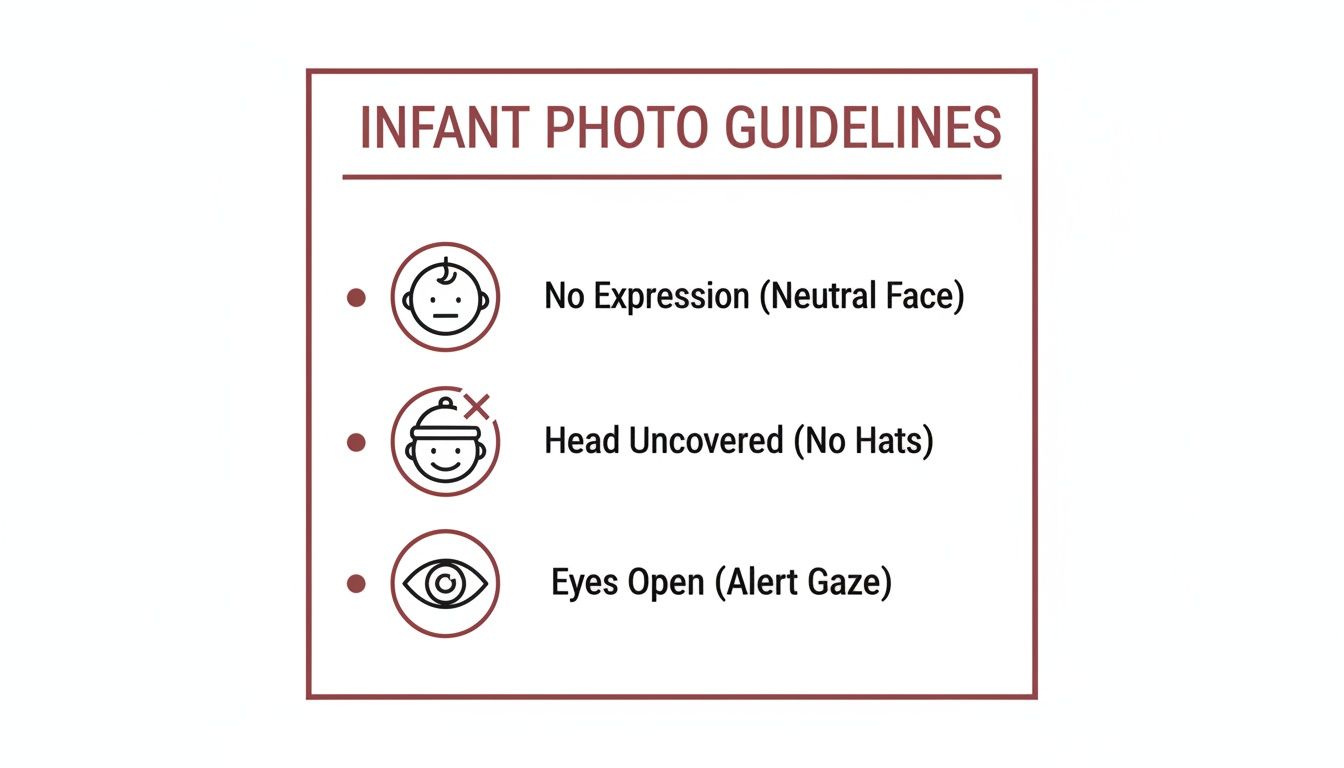
- Photos: badly cropped, poor lighting, or non-compliant expressions
- Names: truncation issues or inconsistent name history
- Nationality evidence: especially where birth or claim to citizenship involves parents or grandparents
- Supporting records: missing certificates, unclear copies, or incomplete explanations
Your pre-submission check
Use this as a working filter before you submit anything.
- Confirm your identity evidence is coherent. Names, dates, and prior passport details must line up cleanly.
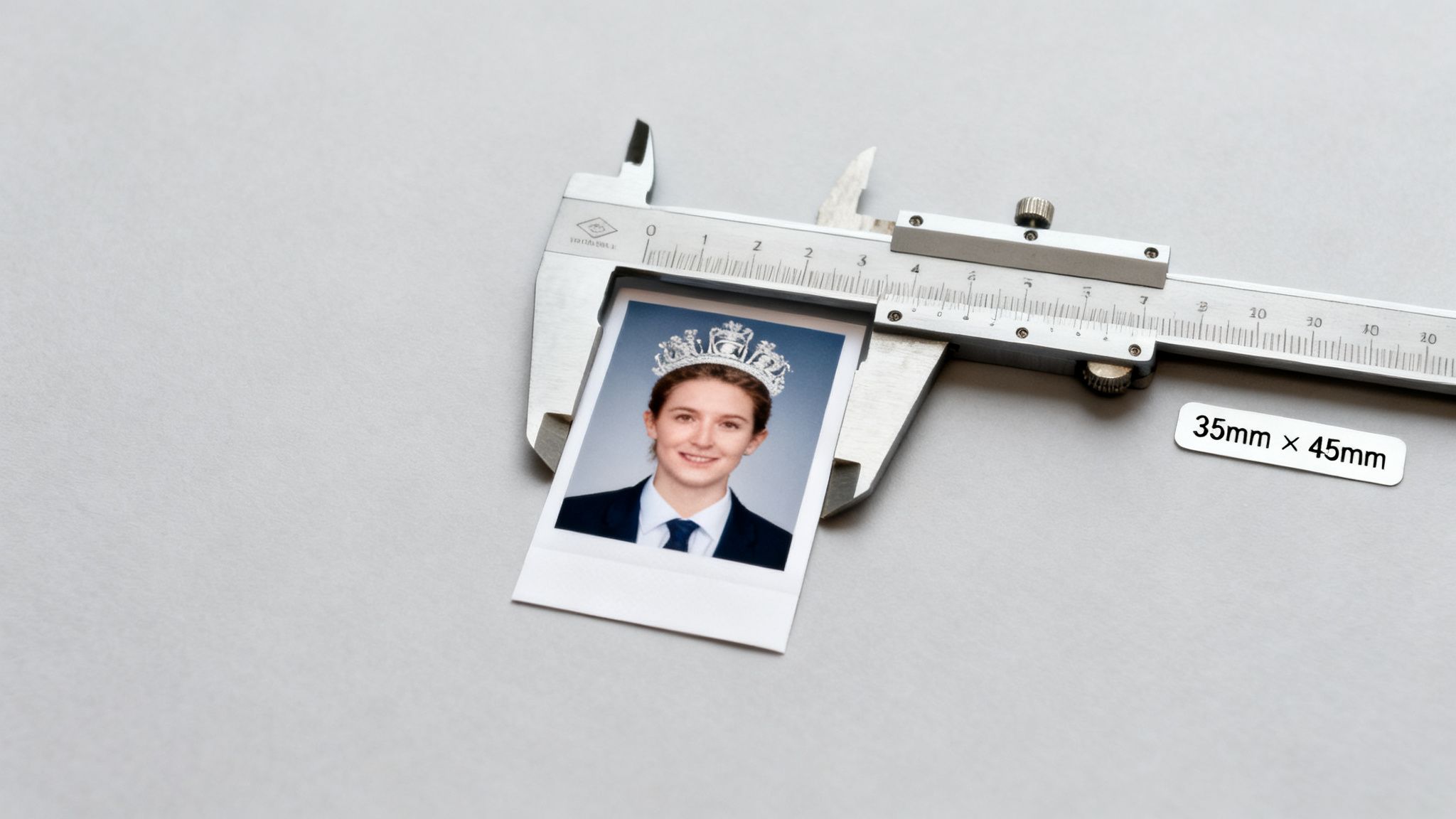
- Treat your photo as a compliance item, not a selfie. A technically weak photo can derail an otherwise sound application.
- Check whether a countersignatory is required. If your route requires one, choose carefully and brief them properly. If you need help with that part, review this guide on how to countersign a passport.
- Audit overseas birth evidence early. If your claim depends on parental or grandparental records, gather them before you start the application.
- Review every explanation field seriously. If the form gives you space to clarify a name issue, document gap, or passport history point, use it well.
Application discipline: The best way to speed up a passport application is to stop giving HMPO reasons to come back to you.
Extra documents for a second passport
Second passport applications need a cleaner narrative than standard applications. You're not just proving identity. You're proving need.
A solid second passport file usually includes:
A clear operational explanation
State why one passport is insufficient. Concurrent visas, politically sensitive itineraries, or constant travel volume are credible reasons.Employer support
This should be formal, specific, and signed in wet ink. Vague corporate endorsements don't help.Colour copies of the current passport
This is what allows ongoing travel while the additional passport application is processed.Consistency across all documents
If your employer letter says one thing and your travel history suggests another, expect scrutiny.
What I tell clients who want a smooth result
Don't submit a second passport application with generic wording. Don't send weak employer evidence. And don't assume HMPO will infer your business need from your job title.
Spell it out. Document it. Keep the file tidy.
Why a British Passport is Essential After 2026
You are at the airport, booked on a return flight to the UK, holding a valid foreign passport because you also have British citizenship. Check-in is where the problem starts. From 25 February 2026, carriers will expect British dual nationals to show the right proof of status for travel to the UK. In practice, that means a valid British passport, or a digital Certificate of Entitlement (COE) if you do not have one.
The rule catches people who assume their other passport is enough. It is not. British citizens cannot use the UK's Electronic Travel Authorisation (ETA) route, so there is no simple fallback if your British passport has expired.
For dual nationals, this is a boarding and access issue, not a paperwork issue. Airlines and other carriers make decisions before you ever reach the border. If your documents do not clearly show your right to travel, your trip can fall apart at check-in.
That is why I advise clients to treat passport validity as active travel planning, not admin.
A current British passport gives you the clearest, simplest proof of your status. A COE can work, but it is the secondary option, not the one I would build frequent travel around. If you travel often, renew early and keep control of expiry dates well before any trip is booked.
This also changes the calculation for high-mobility professionals. If one British passport is your core proof of entry rights, protecting access matters more. For some clients, especially those managing visa conflicts or constant international movement, an additional passport stops one document from becoming a single point of failure.
Secure Your Travel Freedom Today
If all you needed was the simple answer to where do i get a passport form, here it is again in plain English. Use the online GOV.UK route if you want the fastest and cheapest standard process. Go to a Post Office if you need a paper form or want in-person checking.
But if you travel heavily, handle concurrent visas, work across politically sensitive routes, or can't afford to lose mobility while one passport is tied up, stop thinking like a casual traveller. A second passport is a legitimate solution for operational continuity, not an obscure workaround.
The smartest applicants don't just ask where to find the form. They ask which passport setup protects their schedule, their employer, and their access to the UK after the 2026 rule changes.
If you need a faster, specialist route for an additional passport, Second UK Passports helps professionals and frequent travellers assess eligibility, prepare the right evidence, and submit a compliant second passport application with far less risk of delay.