
Rapid Passports

Your Guide to Same Day Passport Renewal UK for Urgent Travel

When a last-minute business trip arises, you simply don't have time to wait weeks for a standard passport renewal. For those moments, the official fast-track services from Her Majesty’s Passport Office (HMPO) are an absolute lifesaver. For professionals requiring a same day passport renewal UK, the Online Premium service can put a new passport in your hand just hours after your appointment. It's a critical tool for maintaining operational continuity when international travel is non-negotiable.

The Go-To Solution For Last-Minute International Travel

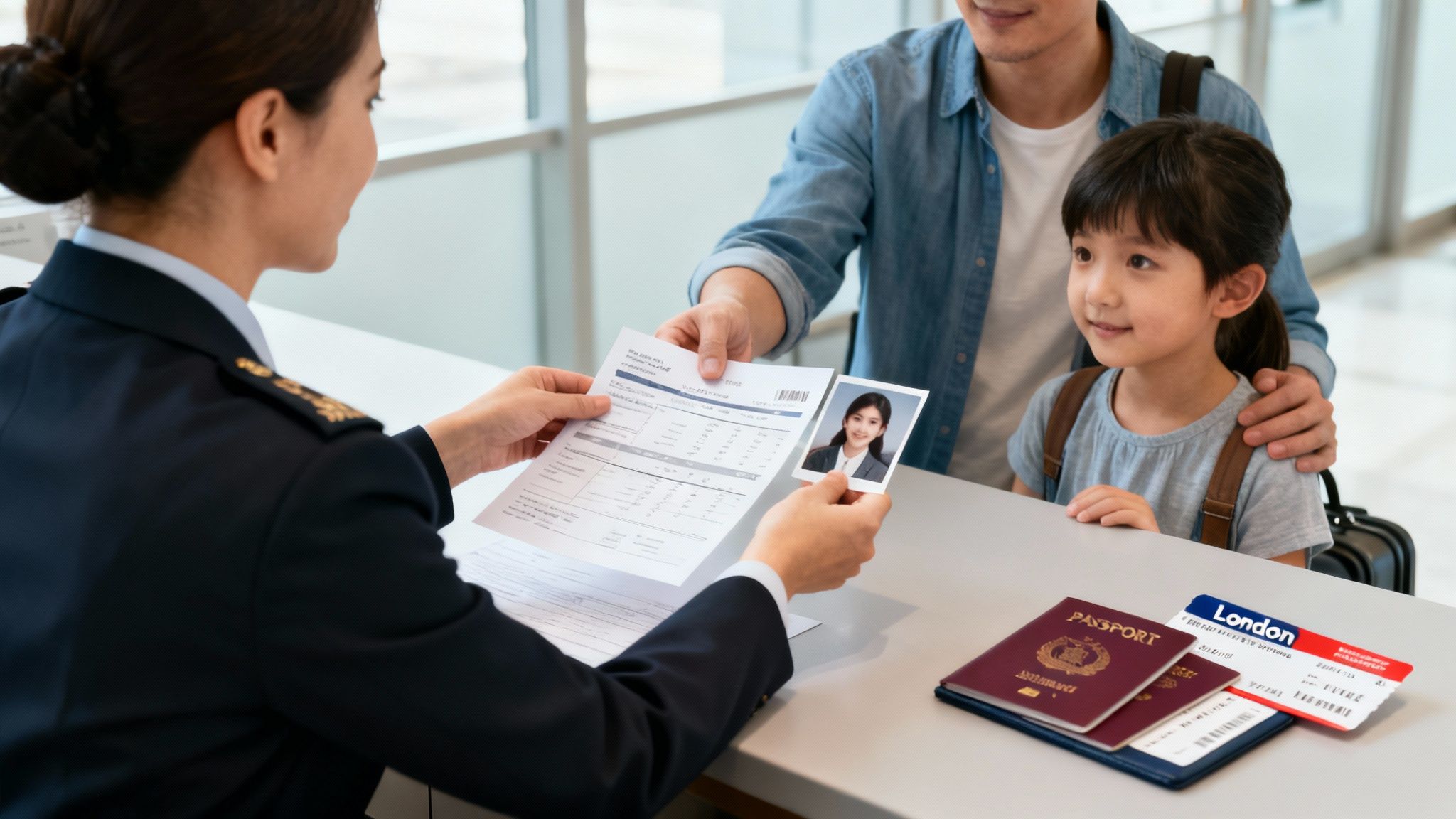
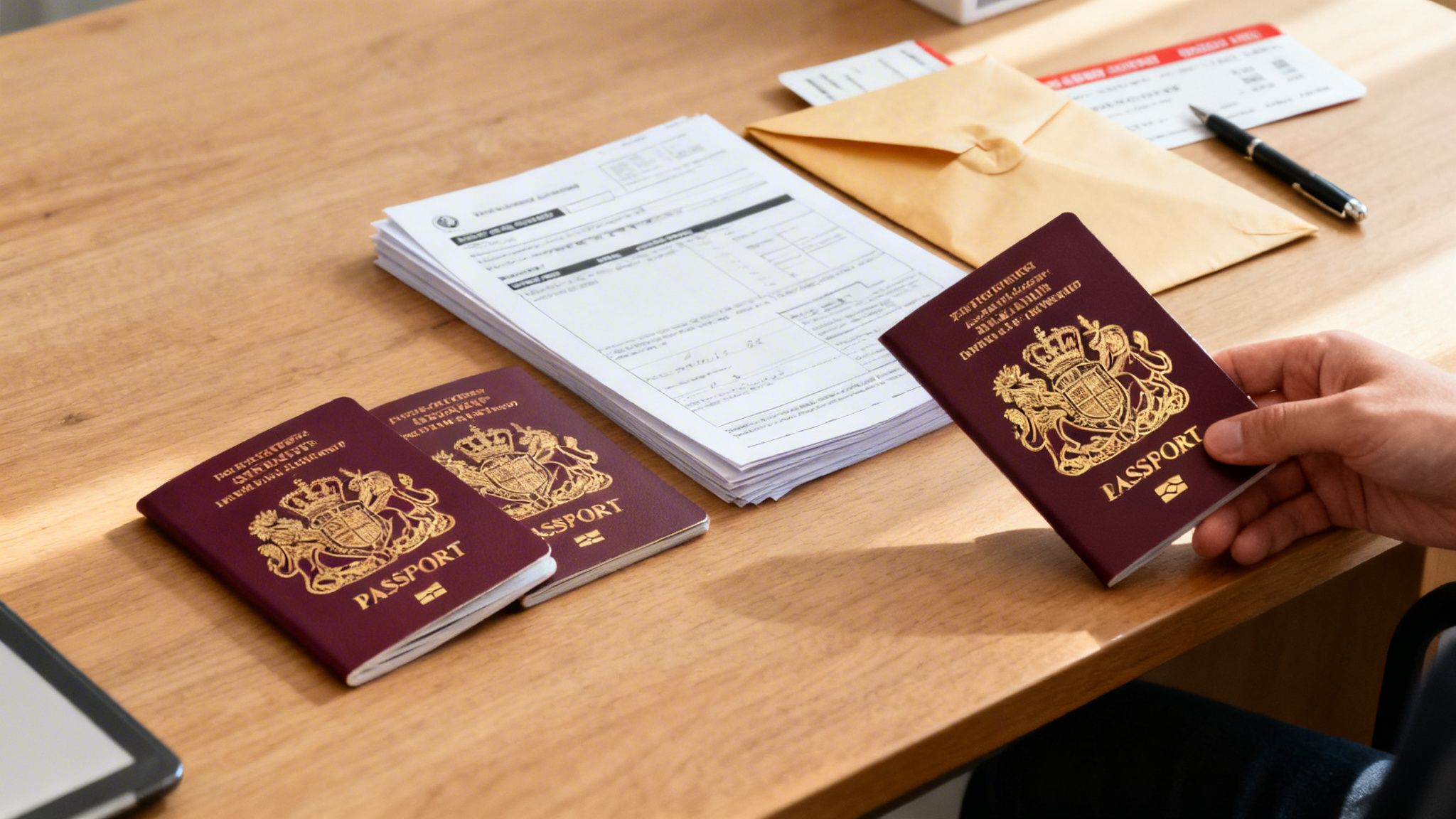
A person hands a UK passport and boarding pass to an agent at a passport office.

For anyone who travels frequently for work, an expiring passport can spell disaster. We're talking about cancelled flights, missed opportunities, and real financial losses. The standard renewal process is fine when you have time on your side, but it’s completely out of sync with the pace of modern business. An unexpected client meeting in Dubai or a project emergency in Singapore demands a passport now, not in three to four weeks.

This is exactly where the HMPO's urgent services come in. The fastest option, officially known as the Online Premium service, is essentially an insurance policy against travel disruption. It provides a legitimate, government-backed way to get a new biometric passport with incredible speed, ensuring a tight deadline doesn't derail your plans.

Who Can Actually Use The Same-Day Service?

It’s important to realise that this premium service isn't for everyone. HMPO has very specific rules about who qualifies. It's designed purely for adults who need to renew a standard passport and that's it.

Here’s a quick rundown of the main eligibility criteria:

  • You must be an adult aged 16 or over.
  • Your current passport must have been issued after 31 December 2001.
  • Your old passport can't be damaged beyond normal, everyday wear and tear.
  • Crucially, your name and other personal details must be exactly the same.

This makes it perfect for a sales director who needs to fly out to close a deal or a consultant whose project timeline just got fast-tracked. However, you can't use it for a first-time passport, to replace one that's been lost or stolen, or if you've changed your name.

HMPO Urgent Passport Services At a Glance

The real value of the premium service shines when you compare it to the standard waiting times. To help you choose the right path for your specific situation, here's a quick comparison of the official HMPO urgent services.

Service Processing Time Best For Typical Cost (as per GOV.UK)
Online Premium Same day (as early as 2 hours after your appointment) The most urgent renewals for adults with no changes to their details. £207.50
1 week Fast Track Within 1 week of your appointment First-time adult/child passports, replacing lost/stolen passports, or renewals with detail changes. £166.50 (adult), £135.50 (child)
Standard Online Around 3 weeks Routine renewals when you have no immediate travel plans. £88.50 (adult), £57.50 (child)

As you can see, the Online Premium service is built for pure speed, while the 1 week Fast Track offers a slightly slower (but still fast) option that covers a wider range of situations.

The standard service is really only for those who can afford to wait. In an urgent business scenario, the premium fee is a small price to pay for certainty. According to official GOV.UK guidelines, most applicants with a straightforward renewal can collect their new passport on the same day. For many, this peace of mind is invaluable.

The core benefit of the same-day service is risk mitigation. It eliminates the uncertainty of postal delays and processing queues, providing a guaranteed outcome on a fixed timeline. For a business, this translates to predictable travel planning and uninterrupted operations.

Securing a Same Day Passport Renewal UK Appointment

Booking a same-day passport renewal UK appointment often feels more like trying to snag a concert ticket than a government service. Slots appear on the GOV.UK website without warning and disappear just as quickly. There's no secret handshake, but knowing how the system works can give you a real advantage.

New appointments tend to pop up early in the morning, so a bit of dedication at the crack of dawn can pay off. The key is persistence. Don't just check once and give up; many people get lucky simply by refreshing the page throughout the day. It's a game of patience and timing.

Getting Your Paperwork Perfect

Once you’ve nabbed that appointment, the real work begins: preparation. Turning up with a single missing or incorrect document is the fastest way to get your application rejected, sending you right back to square one. Your paperwork has to be flawless.

Here’s exactly what you need to have in hand:

  • Your current passport: They will keep this, so make sure it's the right one you're renewing.
  • Two identical printed passport photos: Get these done professionally. They must meet the UK's strict biometric rules. Seriously, don't try to print them at home.
  • A completed application form: Even though the service is called 'Online Premium', you often need a physical paper form, which you can pick up from most Post Office branches. Fill out every single box.

The photos are a massive stumbling block for many. Her Majesty’s Passport Office is notoriously fussy about them, from the background colour and your facial expression to the precise size of your head in the frame. If your photo is off by a few millimetres, it will be rejected. It's well worth paying a few pounds more for professional photos from a place that guarantees they meet UK standards.

What to Expect at the Passport Office

The day of your appointment is all about efficiency, as long as you’ve done your bit. Aim to get to the passport office at least 15-20 minutes before your scheduled time. You'll have to go through airport-style security, and if you’re late, you risk losing your slot and your fee.

Inside, the process is pretty direct. An official will go through your documents with a fine-tooth comb, checking the form is filled out correctly and that your photos pass muster. They’ll scan your old passport to confirm your identity. If it all checks out, they'll accept your application and give you a collection time—sometimes in as little as two hours.

Common Mistakes That Will Get You Turned Away

Knowing why applications get rejected is half the battle. So many people with urgent travel plans get tripped up by small, entirely avoidable errors. Besides bad photos, these are the most common culprits.

  • A poorly filled-out form: A missed signature, an unticked box, or even writing a date in the wrong format is enough to get your application thrown out. Triple-check everything before you leave the house.
  • Your old passport is too damaged: A bit of wear and tear is fine, but if the photo page is torn, it has water damage, or pages are missing, you’ll be told to use the 1-week Fast Track service instead.
  • Trying to change your details: The same-day service is for a straightforward, like-for-like renewal only. If you need to change your name or any other personal information, this service isn't for you.

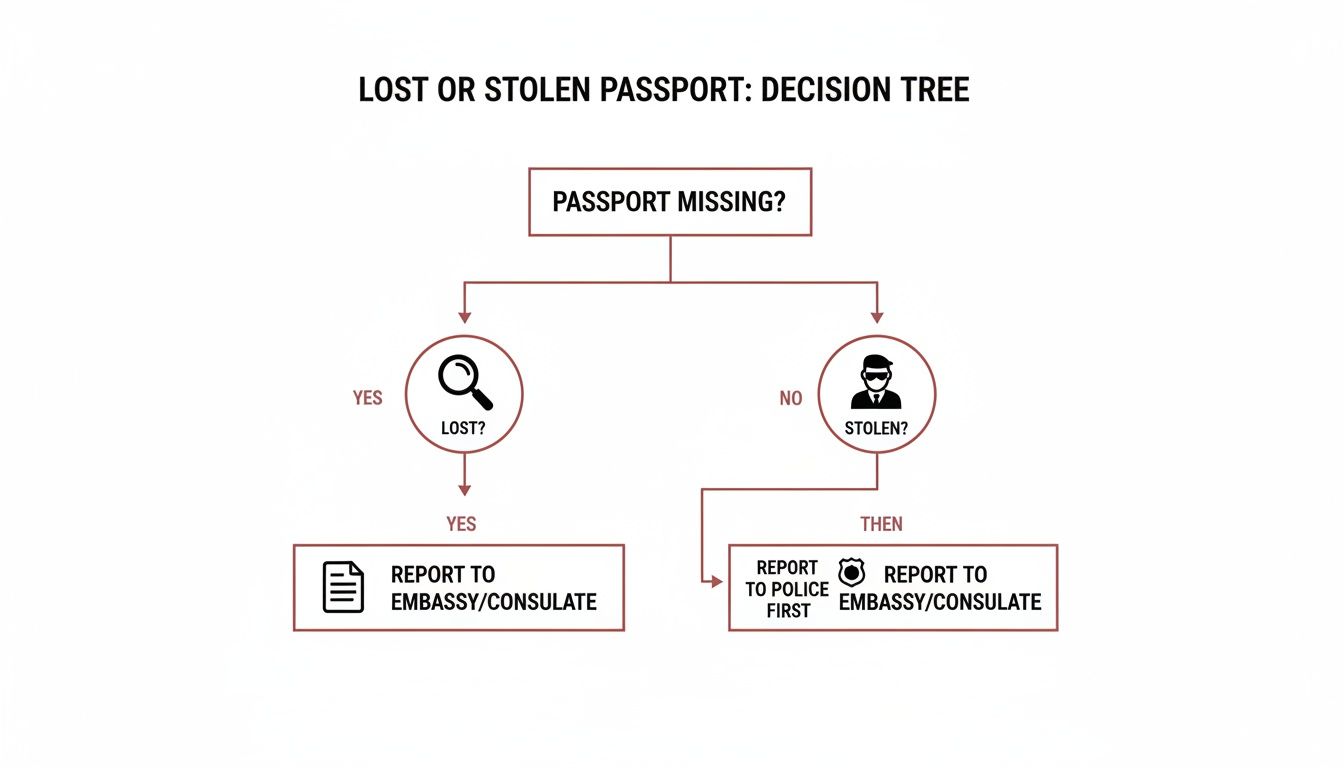
If your passport is lost or stolen and you need to travel urgently, the whole process is different. You can find out more in our guide on what's involved in an emergency passport replacement in our detailed guide. It's a crucial distinction—showing up for a same-day renewal without your old passport is an automatic fail. Knowing these pitfalls ahead of time helps you build a bulletproof application for a stress-free experience.

The Challenge for British Expats Working Abroad

If you're a British national living and working overseas, the idea of a "same-day passport renewal" is, frankly, a non-starter. Her Majesty’s Passport Office (HMPO) offers premium and fast-track services, but there’s a catch: they are only available if you can show up to an appointment in person, inside the UK. This creates a massive logistical headache for any expat whose passport is nearing its expiry date.

The standard renewal process from abroad just isn't designed for anyone in a hurry. You have to post your old passport and simply wait. For weeks, you're left without a valid travel document, effectively grounding you until a courier delivers your new one. For any professional who relies on international travel, this is a serious weak link in their operational chain.

The Overseas Waiting Game

The difference in timelines is night and day. Someone in the UK can sort out an urgent passport renewal in a few hours. An expat, on the other hand, is staring down the barrel of a much longer, more uncertain wait. This isn't just an inconvenience; it's a period of professional vulnerability. An urgent business trip or a family emergency? Impossible.

This process flow shows just how straightforward the renewal is for someone who can get to a passport office in the UK.

Flowchart illustrating the simple three-step process for obtaining a UK same-day passport.

As you can see, the whole thing hinges on being physically present in the UK to book, prepare, and collect—a luxury most expats just don’t have.

For anyone applying from abroad, the reality is far more convoluted, involving international couriers and extra verification hoops. Recent data really drives this home, showing that overseas applications in 2025 have an average turnaround of 21 to 28 days. This lag comes from all the extra steps: mailing your old passport, validating your identity from a distance, and waiting for the courier return. It’s a real risk for Brits working abroad.

Proactive Strategies for Expats

Navigating this reality requires a complete mindset shift—from reactive problem-solving to proactive planning. Some people try to time their renewals with trips back to the UK, but with tight work schedules, that's rarely a reliable option.

The real game-changer, however, is a solution many frequent travellers don't even realise is an option: securing a second UK passport. It's a completely legitimate tool for maintaining your ability to travel without interruption.

With a second passport, you can send one off for renewal from anywhere in the world and never lose your ability to travel. Your other passport remains valid, letting you cross borders for work or emergencies. It completely eliminates the risk of being stranded.

This simple strategy turns a potential crisis into a routine administrative task. You can learn more about the specific eligibility in our guide on the UK passport application process from overseas.

For any professional who simply cannot afford travel downtime, a second passport isn't a luxury; it's an essential piece of risk management. It gives you the freedom and flexibility the standard overseas renewal process can't, ensuring you're always ready for your next trip.

The Strategic Advantage: A Second UK Passport as a Business Asset

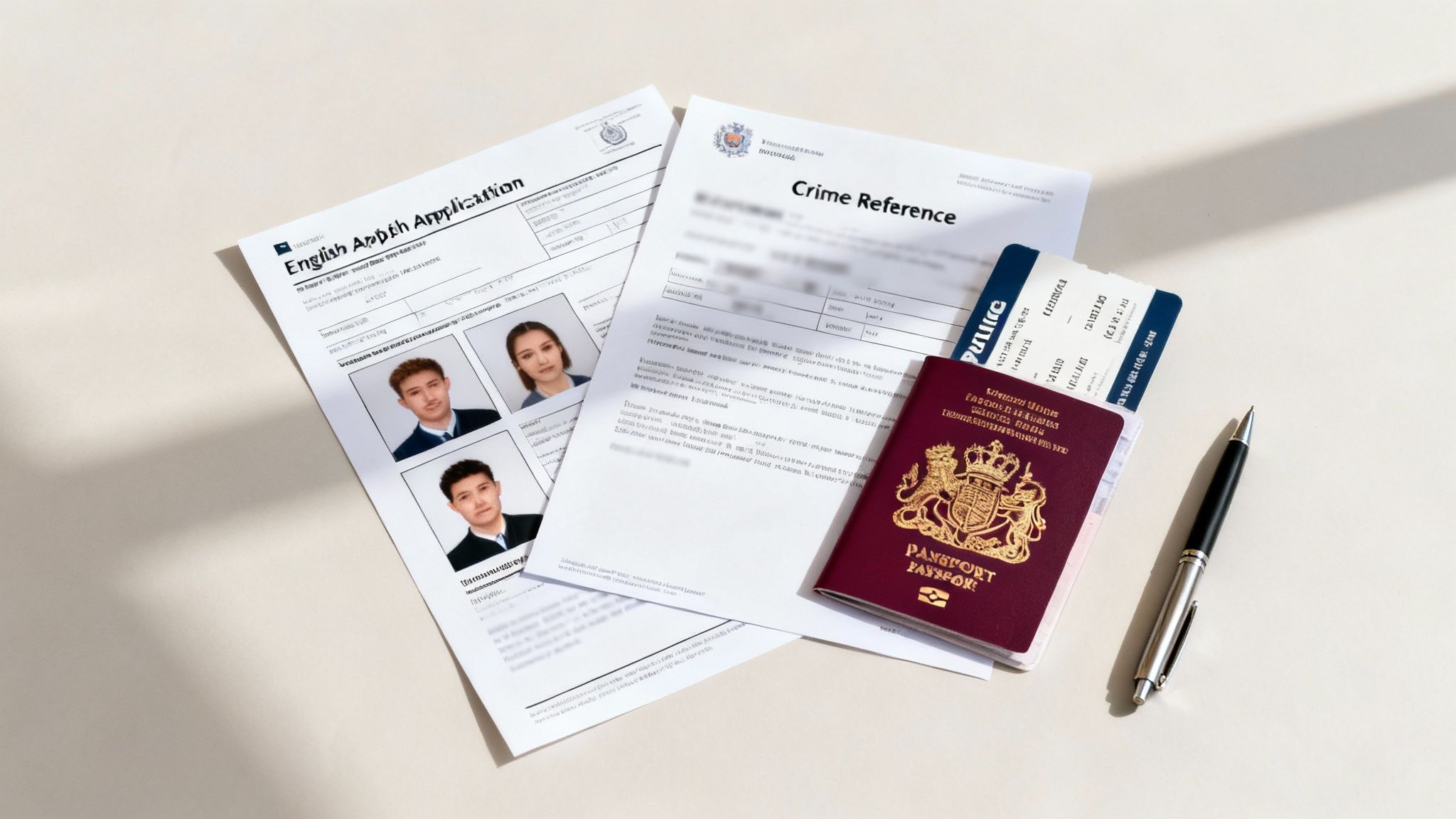
Two burgundy UK passports, an official document with a signature, and a fountain pen on a desk.

While a same day passport renewal in the UK is a lifesaver in a pinch, the smartest move for any serious international traveller is to think ahead. It's about shifting from reactive problem-solving to building genuine travel resilience. This is where the second UK passport comes in.

It’s not a secret loophole but a fully legitimate, specialized service offered by Her Majesty’s Passport Office (HMPO). It is a common misconception that holding two British passports is illegal. In reality, HMPO has a clear process for it, but you must prove a "genuine need". For a business, a second passport is not a perk; it's an insurance policy for operational continuity and risk mitigation, ensuring key people can travel without downtime.

What Counts as a 'Genuine Need' for HMPO?

Getting a second passport isn't automatic. HMPO needs solid proof that your travel schedule simply doesn’t work with a single document. Your whole application is built on making a convincing case for why it’s a necessity, not just a convenience.

So what does HMPO consider a valid reason? There are a few key scenarios they recognise, all tied to very real professional challenges.

  • You're a true road warrior. If you travel so much that your passport fills with stamps and visas years before it expires, you have a strong case. We cover this in more detail in our guide on what to do when your passport is running out of pages.
  • You visit "incompatible" countries. Certain entry stamps can get you barred from entering other countries. The classic example is an Israeli stamp making it difficult to visit several other nations. A second passport neatly solves this by letting you keep your travel histories separate.
  • You're caught in the "Overlapping Visa Trap." This is the big one for business travellers. Your passport is stuck at an embassy for weeks waiting for a visa for China, while a crucial, can't-miss trip to the US pops up. With only one passport, you’re grounded. A second one lets you do both.

The Employer Support Letter Is Everything

The most critical part of your application is the support letter from your employer. This isn't just a box-ticking exercise; it's the core piece of evidence that proves your "genuine need" to HMPO. It has to be detailed, authoritative, and perfectly formatted.

HMPO is incredibly strict about this letter. It must be on official company letterhead and, most importantly, have a "wet-ink signature" from a senior manager or director. A digital or printed signature is a guaranteed rejection.

This letter must do more than just say you work there. It needs to lay out exactly why a second passport is essential for your job, pointing to specific travel patterns, conflicting visa schedules, or incompatible country visits that make a single passport unworkable.

Think of it as the official business case that gives HMPO the justification they need to approve your application. A weak letter will sink an otherwise perfect case.

Real-World Use Cases Justifying a Second UK Passport

To really understand its value, it helps to look at common situations where a second passport is the only workable solution. This breakdown helps managers and travellers see exactly when it’s time to apply.

Scenario Business Justification Key Requirement
Concurrent Visa Processing An engineer needs a 6-week visa process for a project in Nigeria but must attend a 3-day conference in the USA during that period. Proof of conflicting travel itineraries and visa application submission receipts.
Conflicting Country Travel A journalist covers assignments in both Israel and Lebanon. Entry stamps from one country will prevent entry into the other. A travel itinerary showing planned trips to politically incompatible regions.
Operational Rotations An airline crew member or an oil and gas rotational worker whose primary passport is constantly in use or submitted for crew visas. For airline crew, a second passport is an operational essential. A letter from the employer detailing the relentless nature of the travel schedule and its impact on passport availability.

In every one of these examples, having that second passport isn't about making life easier—it’s about making business possible. It’s a vital tool that stops complex international logistics from grinding everything to a halt.

Looking Ahead: New UK Entry Rules from 2026

A hand holds a calendar showing February 25, 2026, next to a UK passport and phone with 'New UK entry rules' notification.

While services like same day passport renewal and second passports solve immediate travel problems, there’s a major legal change coming that makes having a valid British passport more crucial than ever. This isn’t just about convenience—it’s about ensuring you can always enter the UK, especially if you’re a dual national.

Mark your calendar for February 25, 2026. On this date, the UK's entry rules will tighten significantly. The old habit of using a foreign passport to get into the country will officially end.

This deadline is a serious wake-up call for any British citizen living abroad or holding another nationality. Relying on your non-British passport is a practice with a firm expiration date, and airlines will be required to enforce the new rule before you even board the plane.

Foreign Passports Will No Longer Suffice for Dual Nationals

Once the February 2026 deadline passes, every British dual national must present one of two things to board a flight to the UK to avoid being denied boarding:

  • A valid British passport: This is your simplest, most direct proof of right of abode.
  • A digital Certificate of Entitlement (COE): This is a digital visa linked to your foreign passport, officially proving you have the right to enter the UK without a British passport.

Honestly, for most people, getting a COE is an extra layer of bureaucracy. Keeping your British passport up to date is by far the most straightforward way to avoid travel headaches.

The bottom line is this: airlines will be legally required to turn away any British dual national who can't show a valid British passport or a COE linked to their foreign one. The days of flashing a different passport at the UK border are well and truly numbered.

The New ETA System Isn't for British Citizens

To add another wrinkle, the UK is rolling out its new Electronic Travel Authorisation (ETA) system. Think of it as the UK's version of the US ESTA—a digital pre-clearance for foreign nationals who don't need a visa.

But here’s the critical part: British citizens are ineligible to apply for an ETA. The system is built exclusively for foreign visitors, and if you try to use it as a Brit, your application will be rejected. This makes the possession of a valid British passport the only seamless way to enter the UK.

This closes any potential loophole. It cements the British passport as the one essential document for its citizens to enter the UK without a fuss. This really highlights the value of not just renewing your primary passport on time but also having a second one as a Plan B.

Got Questions? Let's Get Them Answered

When you're dealing with urgent passport needs or navigating the rules for a second one, a lot of questions can pop up. Getting the right answers is key to a smooth process and successful application. Here are some of the most common queries we hear from frequent travellers and their managers.

Can I Get a Passport on the Same Day If It’s My First One?

Unfortunately, no. The Her Majesty's Passport Office (HMPO) Online Premium service, which offers a same-day turnaround, is strictly for renewing an existing adult passport.

First-time applications require much more thorough identity checks and have to go through the standard, longer process. Think of the urgent service as a fast lane for those who are already in the system and just need a straightforward swap of their biometric passport, with no changes to personal details. It’s designed for speed, not for establishing your identity from scratch.

Is It Actually Legal to Hold Two British Passports?

Yes, it's perfectly legal for a British citizen to have two valid passports at the same time. This isn't some unofficial workaround; it’s an official government service. However, it's reserved for people who can prove a "genuine need" to HMPO.

Approval isn't a given. You have to build a strong case. The most common reasons that get the green light are:

  • You travel so much for business that one passport is often stuck at an embassy for a visa application while you still need to travel on the other. This is all about maintaining what we call "Operational Continuity."
  • Your itinerary includes travel to countries that are in conflict, where a stamp from one could get you turned away by the other.
  • You need a reliable backup for security reasons, which is a big one for rotational workers in sectors like energy or NGO staff based in sensitive regions. This is a classic "Risk Mitigation" strategy.

A compelling application, supported by a formal letter from your employer with a wet-ink signature, is absolutely crucial here.

What Happens If My Same-Day Application Is Rejected?

This is the scenario everyone wants to avoid. If your application is rejected at your appointment, you won’t be walking out with a new passport, and in most cases, you’ll forfeit the premium service fee. It's a costly mistake.

Nine times out of ten, rejections come down to small, preventable errors. The most common culprits are photos that don't meet the strict biometric rules, a form that’s incomplete or filled out wrong, or simply not meeting the basic eligibility criteria for the service. The official will explain the problem, but then it's back to square one – you'll have to book a new appointment and start all over again.

To sidestep this kind of disaster, you absolutely must triple-check every single document against the official GOV.UK guidelines before you set foot in the passport office. A simple rejection can quickly escalate an urgent trip into a full-blown crisis.

How Can a Specialist Service Help Me Get an Urgent Passport?

While you can certainly try booking an appointment directly on GOV.UK, the reality is that same-day slots are like gold dust – they often vanish within seconds of being released. Using a specialist service takes that stress and uncertainty off your plate.

We handle the tough part by securing a guaranteed appointment for you, so you can stop frantically refreshing the public booking portal. Our service also includes providing you with customised document checklists and professional templates for that all-important employer support letter, even guiding you on how to get the required "wet-ink signature" just right.

Even better, we run multi-level pre-checks on your application to catch any potential issues before HMPO does, aiming for a near-perfect success rate. For second passports, we manage the entire application from start to finish. We know how to frame your justification to meet HMPO's standards, and we often arrange it so you don't even have to surrender your current passport during the process. This means your travel plans continue without a single interruption, giving you complete peace of mind.


Ready to secure the travel continuity your business demands? Second UK Passports has a 99% success rate in obtaining second passports for frequent travellers and professionals. Our experts handle the entire process, from eligibility checks to final delivery, ensuring your application meets HMPO's strict "genuine need" criteria.
Check your eligibility for a second UK passport today

UK Visa South Korea: A Guide for Business and Travel

For South Korean nationals heading to the UK, the entry requirements boil down to your reason for travel and the length of your stay. The crucial first step for most is securing an Electronic Travel Authorisation (ETA), a mandatory pre-travel clearance for short visits like tourism or business meetings. This guide answers the main intent of travelers needing a uk visa south korea within the first 60 words, ensuring you have the correct documentation before you fly.

UK Entry for South Koreans: Your Essential Guide

Getting the entry requirements right is the first, and most crucial, step in planning any trip. For most South Koreans, the process is pretty straightforward. You're a key part of the UK's tourism and business scene—in a recent year, 169,000 visitors from South Korea pumped over £178.5 million into the economy. You can dig into more of those numbers over at VisitBritain.org.

But what about British professionals living in Seoul or frequent business travellers juggling multiple international trips? This is where things can get tricky. Many get caught in the "Overlapping Visa Trap"—your passport is stuck at an embassy for one visa application, but you desperately need to travel elsewhere. It's a logistical nightmare that threatens operational continuity.

This simple decision tree helps visualise the basic choice you'll face.

Flowchart detailing UK entry requirements for South Koreans, showing ETA for short trips under 6 months and visa for long stays.

As you can see, short trips are usually covered by an ETA, while longer stays for work or study mean you'll need to go through the formal visa application process.

To make this even clearer, here's a quick summary of the main requirements.

UK Entry Requirements for South Koreans At a Glance

This table gives you a quick summary of UK entry requirements for South Korean passport holders based on travel purpose, distinguishing between visa-free travel with an ETA and situations that demand a formal visa.

Purpose of Travel Governing Rule Typical Duration Primary Document
Tourism & Leisure Visa-Free (with ETA) Up to 6 months ETA
Short-Term Business Visa-Free (with ETA) Up to 6 months ETA
Short-Term Study Visa-Free (with ETA) Up to 6 months ETA
Long-Term Work Visa Required 6+ months Relevant Work Visa
Long-Term Study Visa Required 6+ months Student Visa
Joining Family Visa Required Varies Family Visa

This table should help you quickly identify which path you need to take based on your specific travel plans.

The Strategic Role of a Second UK Passport

For British expats and corporate travellers, there's a "hidden solution" to the overlapping visa problem: a second UK passport. Far from being illicit, this is a fully legitimate service offered by Her Majesty’s Passport Office (HMPO) for individuals who can prove a genuine professional need.

Think of it as a crucial business asset, an insurance policy for operational continuity. It allows you to maintain travel momentum. One passport can be processing a long-term visa application while the other is in your hand, ready for your next international flight.

This guide will walk you through everything you need to know about the uk visa south korea process, covering:

  • The essential ETA for all short-term visits.
  • Figuring out when you need a formal Standard Visitor Visa.
  • How a second biometric passport can act as an insurance policy against costly travel downtime.

My goal is to make sure you're fully prepared. For any professional managing a packed international schedule, understanding the value of a second passport isn't just a convenience—it's a way to mitigate serious operational risks. Everything here is based on official GOV.UK guidelines, so you can navigate the process with complete confidence.

Getting Your ETA Sorted: The First Crucial Step

If you're a South Korean national heading to the UK for a short trip—whether for a holiday, a business meeting, or to see family—you must obtain an Electronic Travel Authorisation (ETA) first. This isn't a formal uk visa south korea application, but you cannot travel without it. Think of it as your digital green light, confirming you're eligible to enter the UK under its visa waiver programme before you even get to the airport.

The online process is designed for simplicity, but small mistakes can cause major delays. The system demands accuracy. A typo in your passport number or an incorrect date of birth can easily flag your application for a manual review or outright rejection, derailing your travel plans.

Flat lay of travel essentials: a laptop with a K-ETA application form, a passport, photo, and travel checklist.

Gathering Your Application Essentials

Before you begin the application, get all your documents and details ready. A little preparation will save you stress and prevent errors.

Here's what you'll need to have on hand:

  • Your valid South Korean passport: Ensure it's a biometric passport with ample validity.
  • A recent digital photo: This is a common stumbling block. The photo must meet strict UK government standards for background, lighting, and size.
  • Your UK travel details: You'll need to provide the address of where you're staying.
  • A working email address: All updates and your final approval will be sent to this address.
  • A credit or debit card: You’ll need this to pay the application fee online.

Having everything lined up transforms the task into a quick, ten-minute process. And please, double-check every single detail before you hit submit.

Navigating the Application and Common Pitfalls

You'll complete the application through the official GOV.UK website or their mobile app. Most people receive a decision within three working days, often much faster. However, some common slip-ups can bog things down.

Watch out for these frequent mistakes:

  • Data Entry Errors: Transposing numbers in your passport or misspelling your name are the most common culprits. The information must match your passport exactly.
  • A Non-Compliant Photo: Do not just crop a picture from your camera roll. Read the official photo guidelines and follow them to the letter.
  • Incomplete Information: Answer every question fully and honestly. Vague or missing information is a red flag.

Expert Tip: I always advise clients not to book non-refundable flights or hotels until ETA approval is confirmed. It’s usually quick, but unexpected delays can and do happen. It’s a simple way to protect yourself from financial loss.

What to Do If Your ETA Is Denied

An ETA denial can be a shock, but it does not mean your trip is cancelled. It simply means you cannot travel to the UK under the visa waiver programme this time. It is not an outright ban on entry.

Often, a denial comes down to a minor mistake on the form or a past immigration issue that needs closer review. If your application is rejected, your next step is to apply for a Standard Visitor Visa. This is a much more involved process requiring detailed documents and a biometric appointment, so it is critical to start immediately.

When a Standard Visitor Visa Becomes Necessary

The ETA system is an efficient shortcut for most South Koreans planning a quick trip to the UK, but it is not a universal solution. Once your plans extend beyond a simple holiday or brief business meeting, you will need to apply for a Standard Visitor Visa. This is a more involved process, requiring a comprehensive application and greater scrutiny from UK Visas and Immigration (UKVI).

Knowing when you cross the line from being ETA-eligible to needing a full visa is critical. The most common reason is wanting to stay longer than the visa waiver programme allows. However, certain activities are strictly off-limits without the right visa, even for short periods.

Going Beyond a Basic Visit

It is surprisingly easy to misinterpret the rules. The distinction between a brief business meeting and an activity that constitutes 'work' can be a grey area. Getting this wrong can cause serious problems at the border.

You will definitely need to apply for a Standard Visitor Visa if you plan to:

  • Stay for an extended period: Any trip that exceeds the maximum stay under the visa-waiver programme requires a formal visa.
  • Receive private medical treatment: If the primary purpose of your travel is to get medical care in the UK.
  • Engage in specific business activities: Attending meetings is fine on an ETA. But you cannot do any paid or unpaid work for a UK company, undertake a work placement, or sell goods directly to the public.
  • Study for a short period: For any course lasting longer than six months, you will need a proper Student Visa, not a Standard Visitor Visa.

The golden rule is transparency. Attempting to bend the rules of the visa waiver programme is a risky game that could jeopardize your future ability to travel to the UK.

Proving Your Case to UKVI

A successful Standard Visitor Visa application is about building a compelling case. The Home Office is looking for solid proof on three key points: that you can financially support your stay, that your reasons for visiting are genuine, and crucially, that you intend to leave the UK at the end of your visit.

This all comes down to the quality of your supporting documents.

A common pitfall for applicants is failing to properly demonstrate their ties to South Korea. UKVI officials need to be convinced you have strong reasons to return home, such as a steady job, family commitments, or property ownership.

To make your application as strong as possible, you’ll need to assemble evidence covering:

  • Financial Stability: This usually means providing your last six months of bank statements to show a stable balance and sufficient funds for your trip.
  • Purpose of Your Visit: Evidence could be a letter from a UK hospital for medical treatment or a detailed itinerary for a long holiday.
  • Ties to Home: A letter from your employer confirming your role and leave, land registry documents, or birth certificates of dependents are all vital.

Your Application Document Checklist

Getting organized from the start makes a world of difference. Each document adds another layer to your story, giving UK authorities a clear impression of your visit. For anyone managing multiple visa applications, our guide to the Singapore visa process for UK citizens offers more insights into handling complex international travel requirements.

Here’s what you’ll typically need:

  • Your Valid Passport: It must have at least one blank page for the visa sticker.
  • Proof of Funds: Recent payslips and bank statements are standard.
  • Accommodation Plans: Confirmed hotel bookings or a letter of invitation from your host.
  • Travel Itinerary: A day-by-day plan of your activities in the UK.

In a recent year, the UK issued 3,339 student visas to South Koreans. While a slight dip, it highlights that the UK remains a top destination for education—and every one of those students had to navigate this same rigorous visa process.

The Second UK Passport: A Business Asset for Travel Continuity

For any British professional working in or out of South Korea, a second UK passport is more than a convenience—it is a critical business asset. This is the "hidden solution" that seasoned international executives use to juggle complex visa applications and urgent business trips. It is a completely legitimate service offered by Her Majesty’s Passport Office (HMPO) for those who can prove a genuine need.

Imagine your primary passport is with the South Korean immigration authorities for a long-term visa renewal. Suddenly, an urgent business trip to the US arises. With only one passport, you are grounded, risking operational continuity and financial loss. A second passport is the Plan B that mitigates this risk entirely.

Two UK passports, one in a 'Spare pasport' envelope, next to a brown briefcase and boarding pass on a table.

Escaping the Overlapping Visa Trap

The "Overlapping Visa Trap"—needing your passport for a visa application while simultaneously needing it to travel—is a common frustration. A second passport is the key to unlocking it, acting as an insurance policy against costly downtime.

It is particularly vital for professionals in specific sectors:

  • Rotational Workers: Energy and engineering staff on tight schedules cannot afford to have their passport stuck at an embassy for weeks.
  • Airline Crew: For pilots and cabin crew, a second passport is an operational essential, allowing them to maintain flight rotations while one passport is processed for a work visa.
  • Humanitarian Staff: NGO workers in sensitive regions can use one passport for specific visas while keeping the other ready for emergency travel, ensuring security by isolating certain entry stamps.

It all boils down to maintaining momentum. The second passport is the official, government-approved way around this liability.

Proving Genuine Need to HMPO

Securing a second passport requires proving a "genuine need" to HMPO. The application is thorough, and success hinges on providing solid evidence that your work demands it. Vague reasons will not suffice.

The most critical evidence is a formal letter of support from your employer. This must be written on official company letterhead and signed with a wet-ink signature. A digital signature or a poorly drafted letter is a common reason for rejection.

Your employer's letter must clearly articulate the business case. It needs to detail specific travel conflicts, explain the financial impact of being grounded, and state why a second passport is the only viable solution for risk mitigation.

Why This Matters for UK-Korea Trade

The need for this travel flexibility stems from the strong economic ties between the UK and South Korea. In a recent four-quarter period, UK exports to South Korea hit £16.2 billion, with Korean companies supporting over 92,200 jobs in the UK. This relationship relies on seamless travel. You can find more details in the latest government trade factsheet.

For a British expat central to this trade, a passport tied up in a visa renewal is a significant risk. The second biometric passport is the professional solution, ensuring logistics never obstruct success.

Getting Your Second Passport Without the Headache

For any busy professional, a complicated passport application is the last thing you have time for. Our process is built around one idea: getting you that second passport with minimal disruption. It starts with an eligibility check and ends with your new passport couriered to your door, a system designed for executives who need things to work the first time.

One of the biggest pain points we solve is the need to surrender your current passport. With our service, you don't. This is a game-changer for anyone living and working in South Korea, as you can continue travelling while your second passport is processed.

Our 7-Day Turnaround Process

Since 2007, we have refined our method to eliminate common pitfalls. We handle the complexities so you don't have to. The result? We can often have your new biometric passport in your hands in as little as seven working days from its submission to Her Majesty’s Passport Office (HMPO).

Here is how we achieve this:

  • You get a dedicated Case Manager: A single point of contact who knows your case inside-out will guide you from start to finish.
  • We check everything, meticulously: Every document, especially the vital employer support letter, is reviewed by our experts to catch small mistakes that cause big delays.
  • Direct HMPO Submission: We handle booking appointments and submitting your application directly, ensuring it enters the system without delay.

We have maintained a 99% success rate for years, backed by a full money-back guarantee if your application is not approved. It is a completely risk-free way to get this essential travel tool.

Built for Business Needs

For a business, a second passport is a risk management tool. An executive grounded in one country while a deal needs closing in another is a costly problem. We understand this and have tailored our service to support corporate clients.

We provide proven templates for the employer support letter, helping you craft it with the precise wording that HMPO looks for. The key is clearly demonstrating a "genuine need," and our experience is invaluable, especially for professionals juggling a uk visa south korea application alongside other international commitments.

If you’re a British citizen currently based overseas, our comprehensive guide on a UK passport application from abroad offers more specific details.

Ultimately, we provide a reliable solution for professionals who know that in global business, the freedom to travel is fundamental to success.

Your Top Questions About UK and South Korea Travel Answered

Navigating travel between the UK and South Korea brings up common questions. Here are the straight answers to the queries we hear most often, providing clarity for British professionals in Seoul and South Korean visitors.

Can I Use My Second UK Passport to Get Back into the UK?

Yes, you can. While each British passport is a separate and official travel document for entering other countries, there's a golden rule for coming home.

As of February 25, 2026, UK entry rules have tightened. As a British citizen, you must use a valid British passport to enter the UK. Dual nationals can no longer use a foreign passport alone; airlines will deny boarding if you do not have a valid British passport or a digital Certificate of Entitlement (COE). Since British citizens are ineligible for the UK's ETA system, your passport is the only seamless way to enter the country.

What Should I Do If My UK ETA Application Is Denied?

An ETA rejection is not a ban from the UK. It simply means you cannot use the visa waiver programme for this trip.

Your next move is to apply for a Standard Visitor Visa on the official GOV.UK website. Be prepared for a more involved process requiring supporting documents and a biometric appointment. These visas take much longer to process, so it is crucial to start immediately.

Does a Second Passport Really Help If I Travel to Politically Sensitive Countries?

This is where a second passport becomes an essential strategic tool. Imagine you are a British professional based in Seoul who also needs to travel to conflicting political regions. A second passport is vital.

You can use one passport for trips to certain countries and the other for nations that might refuse entry if they see an incompatible entry stamp. This strategy sidesteps geopolitical issues, keeping your travel on track. It is a perfectly legitimate method for managing travel in complex regions and ensuring your security.

By keeping travel histories separate across two passports, you remove political hurdles that could derail a critical business trip. It is simply about risk mitigation.

How Can I Travel from Seoul While My UK Visa Is Being Processed?

This is the classic Overlapping Visa Trap. Our service is designed for exactly this scenario. We can process your second passport application using certified full-colour copies, meaning you never have to hand over your primary passport.

This is a game-changer. You can leave one passport with an embassy in Seoul for that long-term uk visa south korea renewal while using your second one for an urgent business trip. It means zero downtime and total freedom. Effectively managing the documents that come with dual citizenship is a massive advantage for any global professional. For a deeper dive, check out our guide on managing multiple citizenships and passports.


For any frequent traveller or corporate manager who needs to eliminate travel disruptions and reduce risk, a second UK passport is the single most valuable tool in your kit.

Check your eligibility and start your application today.

The UK Passport 6 Month Rule A Complete Guide for Travellers

It’s a scenario no professional wants to face: standing at a check-in desk, bags packed, only to be told you can't board your flight. The reason? Your passport, while not yet expired, doesn't meet the passport 6 month rule. This simple but strict international travel requirement means your passport must be valid for at least six months from your date of entry into a foreign country, and getting it wrong can stop a trip in its tracks.

For frequent travellers and businesses, this isn't just an inconvenience; it's a direct threat to operational continuity. This guide breaks down the rule, its business impact, and how a fully legitimate second UK passport serves as the ultimate insurance policy against travel disruption.

What Is The Passport 6 Month Validity Rule?

An open passport and a calendar with a circled date on a light wooden table.

On the surface, needing six months of validity for a one-week trip seems like bureaucratic overkill. From an immigration perspective, however, it’s a crucial safety net—a buffer for the unexpected.

Imagine a business trip is extended, or a sudden illness delays your flight home. If your biometric passport expires while you’re still abroad, you are suddenly without a valid travel document. This creates a significant problem for foreign governments and leaves you in a difficult position, making it challenging to legally leave the country and return to the UK.

Why The Rule Actually Makes Sense

At its core, the six-month rule is a risk mitigation tool. Countries use it to ensure visitors do not become stranded with an expired passport. This simple check helps to:

  • Prevent Overstays: It ensures your passport is valid long enough to cover your planned visit, plus a margin for unforeseen delays.
  • Allow for Emergency Travel: You cannot book a flight home without a valid passport. The six-month cushion means that even if plans change, your document remains valid for the return journey.
  • Streamline Visa Applications: For countries that require a visa, this rule guarantees your passport will be valid throughout the entire application process and your stay.

The real confusion stems from the fact that this rule isn't universal, catching out even experienced travellers. Many countries across Asia, the Middle East, and the Americas enforce it rigidly. Others might only ask for three months' validity or require that your passport is valid for the duration of your trip. For UK travellers, post-Brexit rules for the Schengen Area have added another layer of complexity.

The most common mistake is thinking, "My passport hasn't expired, so I'm fine." The rule isn't about the expiry date itself, but the amount of time left on it when you arrive at your destination.

Ultimately, understanding this rule is the first step in smart travel planning. If you travel frequently for business, work on a rotational basis, or manage corporate travel, this is not just a box to tick. Treating passport validity as a critical pre-travel check is essential for maintaining operational continuity and avoiding expensive, last-minute problems.

Which Countries Enforce the 6-Month Rule?

The 6-month passport rule is not universal, which is precisely why it trips up so many seasoned travellers. Immigration authorities view it as a practical risk management tool, not arbitrary red tape.

It serves as a buffer. By insisting your passport has at least six months of validity, a country ensures you can legally stay and, crucially, return home even if something unexpected occurs. A sudden illness or an extended business deal can easily push your stay beyond its original end date. The rule prevents the nightmare scenario of a foreign national being stranded with an expired travel document, which creates a messy diplomatic and legal headache for everyone involved.

Key Regions with Strict Enforcement

Many key destinations for business and leisure, especially across Asia, Africa, and the Middle East, are very strict about this. If you get it wrong, you will not even get to plead your case with an immigration officer. The airline will simply deny you boarding at the check-in desk.

Why are airlines so strict? They face hefty fines for transporting passengers with invalid documents, so they have become the first line of defence.

A long list of countries requires six months of validity on arrival, including major business hubs like mainland China, Russia, the United Arab Emirates, Thailand, and Turkey. The list extends to include places like Afghanistan, Bahrain, and Cambodia. It is a critical pre-flight check, no matter where you are headed.

For example, a business trip to Southeast Asia almost guarantees you will encounter this rule. If you are heading to Malaysia, you must check both passport validity and visa requirements. Our guide on Malaysia visa requirements for UK citizens breaks this down further.

Understanding the Schengen Area Rules

For UK travellers visiting Europe, the rules have changed since Brexit, and they are different but just as crucial. When you enter the Schengen Area (which covers most of the EU, plus countries like Switzerland and Norway), your passport must meet two conditions.

First, on the day you enter, your passport must have been issued less than 10 years ago. Second, it must have at least three months of validity left on the day you plan to leave. This two-part check often catches people out, particularly those with older passports that had extra months of validity added on.

The critical thing to remember for the EU is that it is a two-part test. You might see five months of validity left on your passport and think you are safe, but if it was issued more than ten years ago, you could still be turned away.

This is a vital detail for anyone planning multi-country trips in Europe. You must check both the issue date and the expiry date to avoid any nasty surprises at the border.

Passport Validity at a Glance

To make planning easier, here is a quick-reference guide breaking down passport validity rules for some of the most popular destinations for UK travellers. It is a handy checklist for both individuals and travel managers who need to ensure every trip goes off without a hitch.

Passport Validity Requirements by Country and Region

Country/Region Minimum Validity Required on Entry/Exit Notes for UK Travellers
Most of Asia, Africa, Middle East 6 months from date of entry This is the standard for countries like China, India, UAE, Thailand, Singapore, and Turkey. Always double-check before booking.
Schengen Area (EU, etc.) 3 months from planned exit date Your passport must also be less than 10 years old on your entry date. Extra months added to older passports don't count towards this.
United States Valid for proposed duration of stay The UK is part of the "Six-Month Club," meaning its citizens are exempt from the six-month rule thanks to a country-specific agreement.
Australia & Canada Valid for proposed duration of stay Much like the US, these countries don't enforce the six-month rule for British passport holders. Your passport just needs to be valid for your trip.
Mexico Valid for proposed duration of stay British citizens are not officially required to have six months' validity, but it is still widely recommended as a precaution to avoid any issues.

Remember, this is just a guide. Immigration rules can and do change, so the golden rule is always to check the official GOV.UK travel advice for your specific destination before you lock in any plans.

Navigating Post-Brexit Travel to the EU

For UK citizens, a quick trip over to Europe is no longer as straightforward as it used to be. Since the UK left the European Union, the passport rules for entering the Schengen Area have changed, catching even the most seasoned travellers by surprise. You can no longer rely on old habits; understanding the new dual-rule system is vital if you want to avoid a nightmare at the border.

The post-Brexit regulations are precise, and there is no wiggle room. When you arrive in a Schengen country, your UK passport now has to pass two specific tests.

The Two Critical EU Passport Rules

First, your passport's issue date must be less than 10 years ago. This is a huge shift, and it is the detail that trips up many people holding older passports.

Second, your passport needs at least three months of validity left on the day you plan to leave the Schengen Area. Note the emphasis—it is not about when you arrive, but when you are scheduled to head home.

Here is where much of the confusion originates. Before September 2018, it was standard practice for Her Majesty’s Passport Office (HMPO) to add up to nine months of unspent time from an old passport onto a new one. While a nice perk at the time, EU border officials now ignore that extra validity completely. For them, a passport is only valid for entry for a maximum of ten years from its issue date.

In short, the EU first checks your passport's issue date. If it’s more than ten years old on the day you travel, it’s not valid for entry, no matter what the expiry date says.

This decision tree helps break down the checks you need to make before you travel.

A flowchart titled 'Passport Validity Decision Tree' showing steps to determine travel eligibility based on passport expiry.

As you can see, your travel plans now hinge on checking both the issue and expiry dates against your trip's timeline. It’s a crucial new step for all post-Brexit travel.

The Scale of the Problem for UK Travellers

The real-world impact of these rules has been massive. The dual requirements – less than 10 years old and three months’ validity on exit – have proven especially tricky for anyone with a passport issued before September 2018. The numbers are staggering; analysis suggests that around 200 people are turned away at UK airports every single day because their passports don't comply.

The problem is widespread, with estimates suggesting that as many as 32 million people in the UK could be holding passports that fall foul of these rules. You can find more detail on the post-Brexit passport requirements in The Independent.

This is not just a minor administrative detail. It is a major source of travel chaos that causes genuine disruption to businesses and holidaymakers alike.

Practical Implications for Business Travel

For a corporate traveller, the consequences are immediate and expensive. A sales director turned away at the gate for a client meeting in Frankfurt or a conference in Paris has lost more than the cost of a flight. It can mean damaged client relationships, stalled projects, and crucial missed opportunities.

Consider these real-world scenarios:

  • The Rotational Worker: An engineer is due to start a two-week assignment in the Netherlands. They are denied boarding because their passport, while showing five months until expiry, was issued 10 years and one month ago.
  • The Last-Minute Trip: An executive needs to fly to Milan for an urgent board meeting. They check their passport and see it has four months left, but their week-long trip means they will not have the required three months' validity on their planned departure date.

These examples show exactly why proactive passport management has become an essential part of corporate travel planning. The old habit of a quick glance at the expiry date no longer suffices. To avoid costly and preventable problems, both the issue date and the remaining validity must be meticulously checked against the new EU regulations.


The Business Cost of Non-Compliance

For a company operating internationally, a team member's passport problem is a direct threat to your operations. When an employee is denied boarding because of the passport 6 month rule, they are not just missing a flight. They are triggering a chain reaction of costs, both direct and indirect, that can impact your bottom line.

To truly grasp these costs, you must look beyond forfeited plane tickets and non-refundable hotel rooms. The real damage stems from lost strategic opportunities and operational momentum that suddenly grinds to a halt.

The True Financial Impact of a Failed Trip

When a key employee is unexpectedly grounded, the consequences ripple outwards. A single passport error can put client relationships on shaky ground, push back critical project deadlines, and erode your company's reputation for reliability. The financial fallout extends far beyond the initial travel budget.

Consider these all-too-common scenarios:

  • The Rotational Energy Worker: A highly skilled technician is blocked from boarding their flight to an offshore platform. Their missed rotation creates a critical staffing gap, forcing expensive operational delays and potentially putting the company in breach of contract.
  • The Executive on a Deal-Closing Trip: A senior executive is flying to Singapore to finalize a multi-million-pound deal. Their passport has five months of validity, but that is not enough. The meeting is cancelled, a competitor gains an advantage, and the entire deal is jeopardized.
  • The Conference Delegate: A sales manager is set to represent the company at a major industry conference in Dubai but is turned away at the airport. The company loses its investment in the event, along with all valuable networking and lead-generation opportunities.

These examples demonstrate that a passport issue is a serious business risk with tangible financial consequences.

From Inconvenience to Risk Mitigation

For anyone in HR or corporate travel management, this is a familiar challenge. The responsibility for ensuring personnel are travel-ready often falls on your desk, where one small oversight can spiral into a logistical and financial nightmare. This is precisely why leading organizations now view passport management as a fundamental part of corporate risk mitigation, not an employee's personal chore.

Proactive passport management is not just administration; it is a core component of business continuity planning. It is about protecting investments, maintaining project momentum, and ensuring your most valuable assets—your people—can get where they need to be, when they need to be there.

The only reliable solution is to build a robust internal policy. This means tracking employee passport expiry dates, educating frequent travellers on the rules for different destinations, and having a clear process for renewals. When you treat passport validity with the same seriousness as legal compliance, you protect the business from completely avoidable disruptions.

How a Second UK Passport Solves the Problem

Two British passports, one new with a 'Backup' label, and one old and worn, on a table.

For anyone who travels frequently for work, the threat of the passport 6 month rule is a constant source of stress. The solution is not a workaround, but a fully legitimate, specialized service: the second UK passport. This is an official service offered by Her Majesty’s Passport Office (HMPO) for British citizens who can prove a "genuine need." Holding two passports is not illegal; it is a strategic tool for frequent travellers.

This second passport acts as a business asset—a Plan B or "Insurance Policy" that guarantees operational continuity and risk mitigation against travel downtime.

The Overlapping Visa Trap

A significant challenge for professionals, especially airline crew and rotational workers in the energy sector, is the "Overlapping Visa Trap." This occurs when you must submit your passport for a long-term visa application, a process that can take weeks or months. While it is with an embassy, you are unable to travel. A second passport is an "Operational Essential" that resolves this issue.

  • Passport A is submitted to an embassy for a long-term visa application.
  • Passport B remains with you, ensuring you can continue with other international travel without disruption.

This strategy is vital for maintaining flight rotations and project schedules, directly protecting business operations. You can learn more about how a second passport helps when you are running out of passport pages for visas and stamps in our detailed guide.

Navigating Politically Sensitive Travel

A second passport is also crucial for navigating incompatible entry stamps between politically conflicting regions. For instance, an Israeli stamp can cause entry issues in several Middle Eastern countries.

With two passports, this problem is eliminated. You can dedicate one passport for travel to one region and use the second for the other, keeping the travel history isolated. For NGO staff, journalists, or rotational workers visiting sensitive regions, this provides essential security and seamless access. Proving this necessity is key, and it often requires a formal employer support letter on corporate letterhead with a "wet-ink signature" to avoid application rejection.

Your Proactive Plan to Avoid Travel Disruption

A US passport next to a smartphone displaying a calendar and a checklist for renewal.

Knowing about the passport 6 month rule is the first step, but actively preventing it from disrupting your plans is what truly matters. A proactive approach is the only way to guarantee your business trip or holiday is not derailed by an avoidable issue. This requires shifting from last-minute panic to a simple, forward-thinking strategy.

For an individual, this can be as easy as adopting a quick three-step habit. For a business, however, it calls for a formal, company-wide system to guard against the financial and logistical consequences of an employee being turned away at the airport.

A 3-Step Plan for Individual Travellers

You do not need complex tools to stay on top of your passport's validity. A few simple habits are enough to almost completely remove the risk of being denied boarding.

  1. Check Before You Book: Before paying for flights or hotels, consult the official GOV.UK Foreign Travel Advice website. It is the most reliable source for your destination's specific entry rules.
  2. Look at Both Dates: Get into the habit of checking both the issue date and the expiry date on your passport. With the post-Brexit rules for the EU, this is absolutely critical. For anywhere else, it is just good practice.
  3. Set a 12-Month Reminder: The day your new passport arrives, put a reminder in your calendar for 12 months before it is due to expire. This gives you a large buffer to renew it stress-free, even during peak periods.

Implementing a Corporate Passport Policy

If you are a travel manager or work in HR, relying on employees to manage their own documents is a recipe for disaster. A formal corporate policy acts as a vital safety net, protecting the entire organisation.

A corporate passport policy is not about micromanaging your team. It is a core risk mitigation strategy that ensures business continuity and protects the company's investment in every single trip.

A solid policy should cover these key points:

  • Build a Traveller Database: Keep a secure, central log of passport issue and expiry dates for all international travellers.
  • Set Up Automated Alerts: Use the database to automatically send email reminders to staff at 12 months and again at 9 months before their passport expires.
  • Create a Second Passport Process: For employees who need a second UK passport, have a clear internal process ready. This means having a standard employer support letter template and clear guidance on how to prove their "genuine need." For urgent cases, it is wise to have a specialist partner on standby. You can find out more in our guide on how to get an emergency passport replacement in the UK.

The 2026 Rule Change: Why to Act Now

The need for this careful planning is only increasing. As of February 25, 2026, UK entry rules will tighten significantly.

Under the new system, British dual nationals can no longer use a foreign passport alone to enter the UK. They must present a valid British passport or a digital Certificate of Entitlement (COE) to avoid being denied boarding by carriers. Furthermore, British citizens are ineligible for the new Electronic Travel Authorisation (ETA) system, making possession of a valid British passport the only seamless way to enter the UK. This change makes timely passport renewals more crucial than ever. You can read more about this upcoming rule change on charlesrussellspeechlys.com.

Your Questions Answered

Passport rules can feel like a minefield, but they do not have to be. Let's clarify some of the most common questions about the passport 6 month rule and other travel document requirements.

Can I Travel If My Passport Has Exactly Six Months Left?

This is extremely risky. While you might technically meet the requirement, you are leaving no room for error.

Many countries start the six-month countdown from the day you arrive. One unexpected travel delay or a slight miscalculation could result in you being denied entry at the border. The only sensible advice is to renew your passport long before it approaches the six-month window.

How Does The EU's 10-Year Issue Date Rule Work?

This is a post-Brexit change that catches many UK travellers out. For travel to the Schengen Area, your UK passport must clear two hurdles.

First, on the day you enter the EU, it must be less than 10 years old from its issue date. Second, on the day you plan to leave, it must have at least three months of validity left. Crucially, any extra months added to older passports (issued before September 2018) no longer count towards its validity in the EU.

Is It Legal To Have a Second UK Passport?

Yes, it is completely legal. It is not a loophole but an official service provided by Her Majesty’s Passport Office (HMPO).

A second passport is a vital tool for frequent business travellers who can demonstrate a genuine need, such as applying for multiple visas simultaneously or travelling between politically sensitive countries. It is a business asset that ensures operational continuity.

What Is The Fastest Way To Get a New Passport?

The quickest public route is through the official GOV.UK Online Premium or Fast Track service. However, appointments are notoriously difficult to secure, and you must attend in person.

For urgent business travel or complex situations, a specialist agency is your best option. They manage the entire process—from perfecting your application to securing the submission appointment—delivering a far faster and more reliable outcome when you cannot afford delays.


Juggling these rules is a challenge, especially when a business trip is on the line. At Second UK Passports, we specialise in securing these vital secondary passports for frequent travellers, ensuring you are always ready to fly.

Check your eligibility for a second passport today

Your Guide to a First Time Applicant Passport in the UK

Getting your first passport is a rite of passage, but the application process can feel like a minefield. This guide is designed to walk you through it step-by-step, ensuring you know exactly what to do and what to expect as a first time applicant passport holder.

Getting Started on Your First Passport Application

Applying for your first British passport is handled by Her Majesty’s Passport Office (HMPO), and they are sticklers for detail. Your main job is to prove two things: your identity and your British nationality. This means getting your original documents in order.

Getting this right from the start is key. Even a small mistake on the form or sending the wrong document can cause major delays or even get your application rejected. So, take your time and don't rush it.

How Long Will It Actually Take?

It’s the first question on everyone's mind, and the answer can change. If you're applying online from within the UK, you're looking at an average wait of around 17 days. Still, the official advice from GOV.UK is to allow at least three weeks to be safe.

Applying from overseas is a different story. Extra identity checks and international couriers mean you should brace for a wait of at least 3-4 weeks. It's always a good idea to check the latest passport waiting times before you start, especially if you have travel plans on the horizon.

Online or Paper: Choosing Your Path

You have two routes: applying online or using a paper form. The government heavily nudges everyone towards the online system, and for good reason—it's usually faster, cheaper, and much easier to track.

The main choice comes down to how you're most comfortable submitting your details and documents.

Online Application

This is the go-to method for most people. You'll fill everything out on the GOV.UK website, pay the fee, and then get instructions on where to post your supporting documents. You'll also need a digital photo, which is simple enough to get from a photo booth or even by taking one on your phone against a plain, light-coloured background.

Paper Application

If you prefer pen and paper, you can pick up a form from a Post Office that offers the Check & Send service. You'll need to fill it in by hand (black ink only!) and send it off with your printed photos and all your documents. Just be aware that this method often takes longer and costs a bit more.

To help you decide, here’s a quick breakdown of the main differences between applying online and using a paper form.

Online vs Paper Application: A Quick Comparison

Feature Online Application Paper Application
Cost £88.50 for a standard adult passport £100.00 for a standard adult passport
Photo Digital photo code or upload a photo Two identical printed photos
Form Filled out on the GOV.UK website Physical form from a Post Office
Guidance Built-in checks help you avoid errors You must follow printed instructions carefully
Tracking Easy to track your application status online Limited tracking, relies on postal services
Speed Generally faster processing times Typically slower than online applications

Ultimately, unless you have a very specific reason for needing a paper form, the online route is the clear winner for most first-time applicants.

Expert Tip: The biggest hurdle for any first-time application is the paperwork. You absolutely must send original documents—photocopies will be rejected instantly. We’re talking about your full birth certificate and, depending on your circumstances, potentially your parents' documents too. We’ll dive into exactly what you need in the next section.

Getting Your Paperwork in Order

Getting your first passport is exciting, but it all starts with some serious paperwork. Think of it as building a case to prove who you are – and Her Majesty’s Passport Office (HMPO) is the judge. They have very strict rules, so taking your time to get every document right at the beginning is the single best way to avoid frustrating delays down the line.

The absolute cornerstone of your application is your full, original birth or adoption certificate. This isn't just any version; it has to be the one that lists your parents' details. Be warned: HMPO won't even look at a photocopy, and they’ll reject any certificate that has been laminated. Make sure you have the real deal, ready to be sent off.

This flowchart gives you a bird's-eye view of the application journey, showing how the path differs slightly depending on whether you're in the UK or applying from overseas.

Flowchart for UK passport application, showing different paths for applicants in the UK versus overseas.

As you can see, the core documents are largely the same, but where you are in the world changes some of the practical steps you'll need to take.

Your Core Document Checklist

Before you even think about starting the online form, get these documents together. The exact papers you'll need depend on your own history, especially when and where you were born.

  • Your full birth certificate: The original, long-form version showing both your details and your parents'.
  • Your parents’ documents: If you were born on or after 1 January 1983, you’ll probably need to supply information from your parents' birth certificates or passports to establish your claim to British nationality.
  • Proof of name change: Has your name changed since you were born? Whether it's through marriage or a deed poll, you must provide the original legal documents that prove it.

It's worth remembering that simple paperwork mistakes are a huge reason for applications hitting a wall. Around 15% of all passport application delays are caused by incorrect photos or document problems. For a deeper dive into processing times, this overview on UK passport processing is a great resource.

Finding Someone to Vouch for You (Your Countersignatory)

For a first-time passport, you need someone to officially confirm you are who you say you are. This is your 'countersignatory', and it's a role with very clear rules. They can't be a family member, your partner, or even a flatmate.

The person you ask must meet these criteria:

  • They've known you personally for at least two years.
  • They're considered a person of 'good standing' in the community or work in a recognised profession (think teacher, accountant, doctor, or company director).
  • They must have a current British or Irish passport themselves.

If you apply online, the process is much smoother. Your countersignatory will get an email directly from HMPO asking them to confirm your identity online. It’s a quick series of questions about you. Just be sure to ask their permission first and double-check you have their correct email address before you put it on the form.

Nailing the UK Passport Photo: Don't Get Rejected for a Simple Mistake

You'd be surprised how many first-time passport applications get held up by something as simple as the photo. The Home Office uses advanced biometric technology, which means their rules are incredibly strict. Get this bit right, and you're already halfway to a smooth application.

Whether you take the photo yourself, pop into a photo booth, or visit a professional photographer, the goal is the same: a crystal-clear, high-quality image that their system can read without a hitch.

A shirtless young Asian man looks directly at the camera, with a smartphone on a tripod in front.

Digital Photo Rules You Absolutely Can't Ignore

If you’re applying online, you'll need a digital photo. This could be one you take and upload yourself or, more commonly, one you get via a special code from a photo booth or shop.

These rules are non-negotiable. Get them wrong, and you're looking at a delay.

  • The Right Background: It has to be taken against a completely plain, light-coloured background. Think cream or light grey. No patterns, no textures, and definitely no distracting shadows.
  • Good, Even Lighting: Your face needs to be lit evenly. Avoid any shadows on your face or behind you. Standing and facing a window with natural daylight is usually your best bet.
  • A Neutral Expression: This is a big one. You need a plain, neutral expression with your mouth closed. No smiling, no frowning, no raised eyebrows. Just a straight, forward-facing look.
  • Head On: Look directly into the camera. Your eyes must be open and clearly visible, so make sure your hair isn’t covering them.
  • Head Coverings: These are only permitted for genuine religious or medical reasons, and even then, your full face must be visible.
  • Glasses Off: It's best to just take them off. If you absolutely have to wear them, make sure there's zero glare or reflection on the lenses and that the frames don't cover any part of your eyes.

Taking Your Own Photo vs. Using a Pro Service

Yes, you can take your own photo with a phone, but it's trickier than it sounds. Selfies are an absolute no-go because the lens distorts your face. You'll need someone else to take it for you, ensuring you're far enough from the background to kill any shadows.

Honestly, the easiest and most reliable option is to use a photo booth or shop that gives you a digital code. They take the picture, check it against the official rules, and then give you a code to punch into your online application. It's the closest thing to a guarantee you'll get.

For a full deep-dive into the technical side of things, check out our detailed guide on the official UK passport photo size and requirements.

Expert Tip: The most common reasons for photo rejection are bad lighting, a busy background, and trying to smile. Don't let a simple mistake derail your whole application.

Photos for Children and Babies

Thankfully, the rules are a bit more relaxed for the little ones, especially babies.

  • Children under six don't need to look directly at the camera or maintain a neutral expression.
  • For babies under one, it’s okay if their eyes aren't open.
  • Crucially, no one else can be in the photo. That means no supporting hands, toys, or dummies in sight. A great tip for babies is to lay them down on a plain, light-coloured sheet and take the photo from above.

How to Apply for Your Passport from Abroad

Applying for your first British passport when you live overseas comes with a few extra hurdles compared to applying from within the UK. The good news is that it's entirely doable from anywhere in the world, but it does demand a bit more organisation and a solid understanding of the process.

The core of the application—proving who you are and that you’re entitled to a British passport—doesn't change. The real difference lies in the logistics: dealing with international couriers, potentially using documents from your country of residence, and being patient with longer waiting times. For any first time applicant passport holder living abroad, being organised is half the battle.

A desk with a laptop displaying an online application, a passport, documents, and a UK flag pin.

Key Differences for Overseas Applicants

The biggest practical difference is how you handle your original documents. You can't just drop them in a postbox. Instead, you'll need to send them all the way to the UK using a secure and tracked international courier service. This isn't optional—it's essential for protecting vital records like your full birth certificate during transit.

Don't forget to account for getting those documents back, too. Her Majesty’s Passport Office (HMPO) will courier them back to you, but arranging their journey to the UK is on you, adding to the overall time and cost.

The one thing every overseas applicant needs to accept is the extended timeline. A standard UK application might be sorted in a few weeks, but international applications inevitably take longer. This is down to international shipping and the extra checks sometimes needed. Recent data shows overseas applications typically take 3-4 weeks, which is quite a bit longer than the average for someone applying from within the UK. You can read more about the data behind overseas passport processing times.

Navigating Local Document Equivalents

It's quite common to need supporting documents issued by the country you're living in, such as a local utility bill for proof of address or a non-UK identity card. The challenge is making sure HMPO will actually accept them.

Here are a few practical tips I've picked up over the years:

  • Official Translations: If any document isn't in English or Welsh, you absolutely must get it professionally translated by a certified source. A simple translation from a friend won't cut it.
  • Check First: Always consult the GOV.UK website. They have specific guidance on which foreign documents are valid as proof of identity or address. Don't just guess.
  • Local Help: While the application is processed back in the UK, your local British Embassy, High Commission, or Consulate might offer some limited advice. It's worth checking their website.

This is especially critical for people like rotational workers in the oil and gas industry or expats running their own businesses abroad. A simple mistake with a document can cause serious delays, potentially messing up work commitments and travel plans. It's because of these tricky details that many applicants choose to use a specialist service to get it right the first time. For a deeper dive, our guide on submitting a UK passport application from overseas breaks it down even further.

At the end of the day, a successful overseas application all comes down to careful preparation. Double-check every single requirement, pay for a reliable courier, and—most importantly—apply far in advance of any travel you have planned. It will save you a world of stress.

Common Mistakes First Time Applicants Make

Learning from others' mistakes is always the smartest way forward, especially when it comes to getting your first passport. Even a small slip-up can lead to frustrating delays, so think of this section as your final sanity check before you hit 'submit' or post your documents.

Her Majesty’s Passport Office (HMPO) has a reputation for being meticulous, and for good reason. They scrutinise every detail, from your countersignatory's profession to the quality of the documents you send. Getting it right the first time will save you a world of stress, not to mention time and money.

Forgetting to Declare All Previous Names

This one trips up a surprising number of people. If your name has changed for any reason since birth—marriage, divorce, deed poll, you name it—you absolutely must declare it. You'll also need to provide the original documents to prove it.

If you don't show a clear, documented timeline of your name from your birth certificate to your current name, your application will grind to a halt. HMPO needs to see that continuous legal link, so dig out those original marriage certificates or deed poll documents.

Sending Photocopies Instead of Originals

This is a hard and fast rule that catches so many people out: you must send original documents. It doesn't matter how good the copy is, or even if it's certified—it will be rejected on the spot. This rule applies to your full birth certificate, any name change paperwork, and your parents' documents if they're needed.

I know it can feel a bit nerve-wracking to put your most important documents in the post. But it’s a non-negotiable part of proving your identity. Rest assured, they will be sent back to you (separately from your new passport), so use a secure, tracked postal service for your own peace of mind.

Choosing an Ineligible Countersignatory

The rules for who can sign your form and photo are incredibly strict, and this is where many applications fall down. Your countersignatory can't be a relative, your partner, or anyone you live with. They must be a person of 'good standing' in the community (like a registered professional), hold a current British or Irish passport, and have known you personally for at least two years.

Common mistakes include asking a family friend who doesn't actually have a valid passport, or a professional who has since retired and is no longer on a professional register. Before you even ask them, double-check that they tick every single box on HMPO’s list. An invalid countersignatory is one of the fastest routes to rejection.

Crucial Reminder: Your countersignatory must have known you personally for at least two years. Choosing a relative, even a distant one, or someone who only knows you professionally via email will result in an immediate rejection. They must be able to vouch for you as an individual.

In a real bind, knowing the right steps can be a lifesaver. If you ever face an urgent travel situation, understanding how an emergency passport replacement in the UK works is invaluable knowledge to have.

To make this even clearer, I've put together a quick table of the most frequent errors I've seen over the years. Keep these in mind as you complete your application.

Common Application Errors and How to Avoid Them

Common Error Why It Happens How to Avoid It
Incorrect Photo Not following the strict rules on background, expression, or digital photo codes. Use a Photo Booth or an approved digital photo service. Don't smile, and ensure the background is plain and light-coloured.
Incomplete Sections Rushing through the form and missing a box or a signature. Go through the form twice. Have a friend or family member give it a final look-over before you submit it.
Undeclared Names Forgetting about a previous name change through marriage or deed poll. Gather all original documents (marriage certificates, deed polls) and list every name you've legally used.
Sending Photocopies Assuming a certified copy is acceptable or being nervous about posting originals. Always send the original documents as requested. Use a tracked and insured postal service for security.
Wrong Countersignatory Asking a family member or someone who doesn't meet the strict professional criteria. Check the official list of accepted professions. Confirm your chosen person has known you for 2+ years and holds a valid passport.
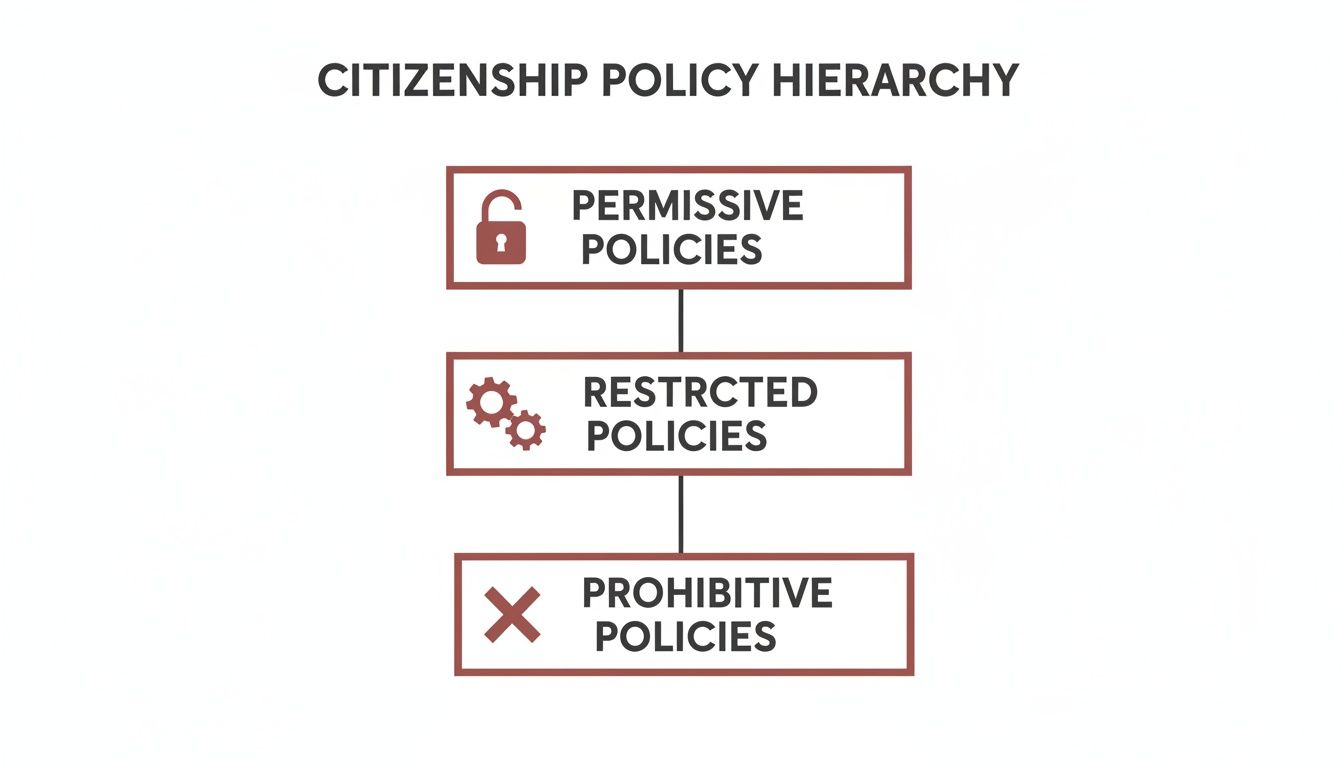
Avoiding these common pitfalls is straightforward when you know what to look for. A few minutes of double-checking can be the difference between a smooth process and weeks of frustrating delays.

Frequently Asked Questions

It's completely normal to have a few last-minute questions after you've sent everything off. Here are some straightforward answers to the queries that pop up most often for first-time applicants.

What Happens If My Application Is Rejected?

This is the one thing everyone worries about. If your application gets rejected, Her Majesty’s Passport Office (HMPO) will send you a letter explaining exactly what went wrong. The bad news is that the fee is non-refundable, so you’ll have to pay again when you reapply.

Don't rush to send it back in. Read the rejection notice very carefully and fix the specific issues they mention. It's often a simple mistake, but you'll need to start a fresh application from the beginning.

How Can I Track My Passport Application?

Once you've submitted your application, you'll get a unique 10-digit application reference number (you might see it called a PEX number). You can pop this into the official GOV.UK passport tracking service to see where things are at.

The tracker gives you a peek behind the curtain, showing you key milestones like:

  • When your application was received
  • When your documents arrived and were scanned
  • When it's actively being processed
  • And finally, when your passport has been printed and sent out

A quick heads-up: For security, your new passport and your original documents are sent back in two separate deliveries. Don't worry if one arrives before the other – that’s completely standard.

Is a Fast Track Service Available for First-Time Passports?

Unfortunately, no. The 1 Week Fast Track and Online Premium services are only for renewals. First-time applications involve much more detailed identity checks, and that's a process that just can't be rushed. You have to go through the standard service, so make sure you apply well ahead of any planned travel.

Will I Need an Identity Interview?

There’s a small chance you might. As part of their security checks, HMPO randomly selects some first-time adult applicants for a short identity interview. If you're picked, they'll get in touch to book an appointment at a passport office near you.

It's nothing to worry about – the interview is just a simple, informal chat to confirm you are who you say you are. The main thing to know is that it can add a bit of time to your application, so it's best to get it scheduled and done as soon as you can.


Navigating passport requirements can be complex, especially when frequent travel demands more than one. If your work involves back-to-back international trips, concurrent visa applications, or travel to sensitive regions, a second passport may be essential. secondukpassport.com specialises in helping eligible professionals secure this vital travel asset.

Discover if you qualify for a second UK passport today

Your Guide to Finding a Country Without Tax for Financial Freedom

Let's be clear from the outset: the idea of a completely tax-free country is a bit of a myth. What people are really talking about—and where the genuine opportunity lies—are countries with no personal income tax.

This isn't some shady loophole. It’s a legitimate financial strategy that allows professionals and entrepreneurs to keep 100% of what they earn. But pulling it off successfully requires a deep understanding of how different tax systems work, along with some very careful planning.

The Strategic Reality of a Tax-Free Lifestyle

A person analyzing financial concepts with a notebook, map, passport, and wooden blocks on a desk.

To make an informed decision, you first need to appreciate a simple truth: governments need money to function. If they aren’t collecting it from your personal income, you can bet they're raising it in other ways. This distinction is absolutely crucial.

Understanding Different Tax Structures

Before you even start shortlisting countries, you have to get your head around the various tools governments use to generate revenue. This knowledge is the bedrock of any successful relocation plan.

  • Income Tax: This is the big one—the direct tax on your earnings that most people want to escape.
  • Consumption Tax: You'll know this as Value Added Tax (VAT) or Goods and Services Tax (GST). It's an indirect tax on things you buy, and countries without income tax often have higher rates here to make up the shortfall.
  • Property Tax: An annual tax on any real estate you own. This can be a significant cost, even in a supposed "tax haven".
  • Capital Gains Tax: A tax on the profit you make from selling assets like stocks or property. Some countries have zero capital gains tax, making them a magnet for investors.
  • Corporate Tax: This is levied on company profits. It’s completely separate from your personal income tax and a key factor for any business owner.

The path to this kind of financial freedom involves more than just picking a spot on the map; you have to navigate complex residency requirements. This often means lengthy visa applications that can leave you stuck in one place for weeks, or even months, while your passport is with the authorities. For any professional with international clients or commitments, that's a serious operational bottleneck.

This is where the practical value of strategic travel documentation becomes clear. A second passport, an official service offered by Her Majesty’s Passport Office (HMPO) for those with a genuine need, provides operational continuity. It allows you to submit one passport for a residency application while keeping the other free for travel. This isn't just a convenience; it's a vital tool for managing risk in a complex global environment.

Understanding Tax Residency: The Real Key to a Tax-Free Life

When you start digging into the world of tax-free countries, there’s one concept that trumps all others: tax residency. It’s the absolute cornerstone of this entire strategy. A lot of people get this wrong, thinking their passport is what determines where they owe tax. It isn't. Your tax bill is tied to where you are a resident for tax purposes, and that has nothing to do with your citizenship.

Here’s a simple way to think about it. Your passport is like the SIM card in your phone—it shows you belong to a certain network (your home country). But your roaming charges (your taxes) depend entirely on where you’re actually using your phone. Spend enough time in a new country, and the local network starts treating you as one of their own. Tax authorities, like HMRC in the UK, work on the exact same principle.

Simply packing your bags and leaving the UK doesn’t automatically cut your financial ties. To truly move your tax obligations, you have to formally set up shop somewhere new by becoming a resident there. Just as crucially, you have to formally break residency in the UK. This isn’t something that just happens; it’s a deliberate, documented process.

The Famous 183-Day Rule

You’ve probably heard of the "183-day rule". It’s the most common benchmark for tax residency, and at its core, it’s pretty simple: spend 183 days or more in a country during their tax year, and you’re generally considered a tax resident. It's a straightforward, countable measure that many jurisdictions use as a starting point.

But—and this is a big but—relying on this rule alone is a massive oversimplification and a classic rookie mistake. Many countries, the UK included, have a much more sophisticated set of rules.

Key Takeaway: The 183-day rule is a guideline, not a universal law. Thinking it's the only thing that matters is one of the biggest traps you can fall into. Real tax residency comes from a mix of physical presence and making a clean break from your old home country.

Beyond Counting Days: Making a Clean Break with HMRC

For any Brit looking to move, breaking UK tax residency means getting to grips with the Statutory Residence Test (SRT). This isn't a simple day-counting exercise. It's a multi-layered test that scrutinises all your ongoing connections to the UK.

HMRC will look at a whole host of factors to decide if you’ve truly left, including:

  • Family Ties: Where does your partner or your children under 18 live?
  • Accommodation Ties: Do you have a home, flat, or even just a room available for you to use in the UK?
  • Work Ties: Are you still carrying out significant work in the UK?
  • 90-Day Tie: Have you spent more than 90 days in the UK in either of the last two tax years?
  • Country Tie: At the end of the day, where did you spend the most time?

To become a non-resident for UK tax purposes, you have to show a clear, decisive break. This takes careful planning and a real commitment to building a new life abroad. It’s a serious undertaking, and one that a growing number of people are considering. In the year ending June 2023, an estimated 93,000 British nationals emigrated from the UK for the long-term. You can read more about these UK migration trends from the Office for National Statistics. This trend just goes to show how vital it is to understand the rules before you make a move.

Exploring the Top No-Income-Tax Countries

Once you’ve got your head around tax residency, the exciting part begins: exploring the places that can make a 0% income tax lifestyle a reality. But let's be clear, choosing a country without personal income tax isn't a simple pick-and-mix. The right spot for you will hinge entirely on your lifestyle, business ambitions, and what you want for the future. Some places are buzzing business hubs, while others offer a far more tranquil pace of life.

The trick is to look past the shiny 0% tax rate. You need to ask what each country wants from you in return. It could be a hefty investment, a commitment to spend a certain amount of time there each year, or just getting used to a completely new culture. And remember, governments still need to pay for roads and schools. They fund public services in other ways, like VAT, import duties, or annual property fees, which absolutely must be part of your financial calculations.

Before you even think about packing your bags, you need to understand your starting point: your UK tax residency status. This flowchart breaks down how HMRC sees it.

Flowchart illustrating the UK tax residency decision tree based on location, days lived, ties, and work.

As you can see, it's not just about where you are. HMRC looks at a web of interconnected factors, including how many days you spend in the UK and the personal and professional ties you maintain.

The Middle Eastern Hubs

For years, the Gulf states have been a powerful magnet for professionals chasing big opportunities without the drag of income tax. These countries offer incredible infrastructure, a thriving expat scene, and a perfect geographical launchpad for international business.

  • The United Arab Emirates (UAE): For many Brits, the UAE—especially Dubai and Abu Dhabi—is the go-to destination. You get 0% tax on your income, any capital gains, and even inheritance. The government has made it relatively straightforward to get set up, with various employment visas and residency-by-investment programmes. The catch? You'll find a 5% VAT on most things you buy, and there are corporate taxes to consider if you're running a business. Life is modern and fast-paced, but be ready for the high cost of living in the main cities and a culture that's very different from back home.

  • Qatar: Just like its neighbour, Qatar doesn't tax salaries. As one of the world's richest countries per capita, it delivers an extremely high standard of living, with fantastic facilities and massive investment in public works. Getting residency is usually linked to having a job there, but the nation is keen to attract foreign investment. For now, there's no VAT, but it’s a constant topic of conversation among the Gulf Cooperation Council (GCC) nations, so watch this space.

The Caribbean Havens

If your dream involves white sandy beaches and a decidedly slower pace of life, then several Caribbean islands offer an irresistible mix of tax benefits and paradise. These spots are especially popular with entrepreneurs who can work from anywhere and people planning their retirement.

  • The Bahamas: A classic choice for anyone wanting to escape taxes on income, capital gains, and inheritance. The government makes its money mainly from a 12% VAT, import duties, and property taxes, which can be significant on luxury homes.

To get residency, you’re often looking at a serious property investment. For an accelerated application, the starting point is typically $750,000. It's a path designed for high-net-worth individuals who want a permanent, stable base in a beautiful part of the world.

  • The Cayman Islands: Well-known as a global financial powerhouse, the Caymans offer a sophisticated, highly regulated environment with no direct tax on income, capital gains, or company profits. It’s no surprise it's a hotspot for investment funds and international businesses. The residency options are aimed squarely at the wealthy, with investment minimums often soaring past $1.2 million. Life here is wonderful, but the cost of living is notoriously high—a reflection of its status as a top-tier offshore destination.

European Principalities and Beyond

While most of Europe is famous for its high taxes, a few tiny jurisdictions carve out their own rules. They offer a unique blend of a European lifestyle with incredibly attractive tax systems. If you're curious about different options on the continent, our guide to the best country in Europe to live in explores various lifestyle and financial factors worth considering.

  • Monaco: The name itself brings to mind luxury, glamour, and financial discretion. For residents who meet the strict criteria (and aren't French citizens), there is no personal income tax. Monaco provides an unparalleled standard of living, exceptional security, and easy access to the rest of the continent. But getting in isn't easy. You'll need to prove you have substantial wealth, buy or rent a property in one of the world's most expensive real estate markets, and deposit a large sum—often €500,000 or more—in a local bank.

Comparing Top No-Income-Tax Jurisdictions

Choosing the right country is a major decision, and a direct comparison can help clarify the key differences. This table breaks down what to expect from some of the most popular options.

Country Residency Requirement (Investment/Time) Other Key Taxes (VAT, Property, etc.) Best For (Lifestyle/Business)
UAE Employment visa or property investment (approx. £165,000+) 5% VAT, corporate tax on some businesses, import duties Ambitious professionals, business owners, and a fast-paced city lifestyle
The Bahamas Property investment (from $750,000 for fast-track) 12% VAT, significant property and import taxes Retirees and entrepreneurs seeking a relaxed, island lifestyle
Cayman Islands Substantial investment (often $1.2M+) High import duties and fees, but no direct major taxes High-net-worth individuals, finance professionals, and corporate HQs
Monaco Proof of wealth, property, and a bank deposit (€500,000+) 20% VAT, high property costs The ultra-wealthy seeking security, luxury, and a European base

Ultimately, the "best" country is the one that aligns with your personal finances, career goals, and desired way of life. It’s about finding the perfect balance between financial benefits and a place you’d genuinely love to call home.

How a Second Passport Streamlines Your Relocation

This is where the rubber meets the road. All the planning in the world for a move to a tax-free country means nothing without a solid execution strategy. The biggest spanner in the works for many people is something I call the "Overlapping Visa Trap." It’s a logistical nightmare that can stop your plans dead in their tracks.

So, what is it? Imagine you’ve found your ideal low-tax jurisdiction. To get your residency permit, you need to submit your British passport to their embassy, a process that can take weeks, sometimes even months. But while your passport is tied up in bureaucratic red tape, an unmissable client meeting pops up in another country. Or maybe there's a family emergency back home. With your only travel document out of action, you’re grounded. This isn't just an inconvenience; it can cost you serious money and missed opportunities.

Multiple passports, a boarding pass, and travel documents on a table with a plane outside.

This is the exact problem a second UK passport is designed to solve. It’s not some unofficial workaround; it’s an official solution provided by Her Majesty’s Passport Office (HMPO) for people with a genuine need. Think of it as a tool for ensuring "Operational Continuity." You can carry on with your life and work while the slow wheels of bureaucracy turn.

Navigating the Overlapping Visa Trap

A second passport is your ultimate risk-management asset. It means you can hand one passport over for a long-winded visa application while keeping the other one free for any essential international travel. Your mobility is never compromised, and your business continues to run smoothly.

This isn’t just a nice-to-have for some professionals; it's an absolute necessity:

  • Corporate Executives: Can fly out for a last-minute board meeting or to seal a deal while their residency permit is being processed.
  • Airline Crew: Avoid being grounded, which is critical for pilots and cabin crew whose careers depend on being able to fly their scheduled routes.
  • Rotational Workers: Staff in sectors like oil and gas or NGOs can travel to their next assignment without being held up by visa delays from a previous one.

Using your travel documents strategically ensures your personal and professional life doesn’t grind to a halt during the most critical phase of your relocation.

The Growing Need for Travel Flexibility

Let's face it, global travel is getting more complicated, not less. As global mobility increases, so does the administrative burden on frequent travellers. Add to that the rise of Electronic Travel Authorisations (ETAs) and evolving entry rules worldwide, and it's clear that British citizens constantly have new regulations to navigate. For a busy professional, trying to manage all this without a backup travel document is just asking for trouble.

A second passport is the ultimate insurance policy against travel downtime. It provides the certainty that no matter what bureaucratic delays you face with one document, you always have a Plan B ready to go.

It's also worth remembering that holding multiple passports is a perfectly normal strategy for globally-minded people. If you're looking beyond just a second UK passport, our guide on understanding how many citizenships you can hold offers some valuable insights into the broader picture.

The Employer Letter: A Crucial Requirement

Getting a second UK passport isn't as simple as just filling out a form. You have to prove a genuine, demonstrable need to HMPO, and for most professionals, the single most important piece of evidence is a formal letter from your employer.

This isn't something to be taken lightly. The letter must be printed on official company letterhead and meticulously drafted. It needs to clearly explain why a second passport is a business necessity, not just a convenience. You'll need to detail the specific travel conflicts you face and outline the potential financial or operational damage that would be caused if you were unable to travel.

Crucially, the application requires a "wet-ink signature" from a senior figure in the company. A digital signature or a typed name simply won't cut it and is one of the most common reasons for rejection. This strict rule highlights the official nature of the process and confirms that the second passport is a tool for legitimate professional needs, not just a travel perk. It’s the final, formal step in making your case for this essential document.

Getting it Right: Compliance, Pitfalls, and Staying on the Right Side of the Law

Thinking about a life with no income tax is exciting, but it’s a serious move that’s about much more than just packing your bags. The journey is riddled with legal complexities and practical hurdles that require a professional, detail-oriented approach. Trying to wing it is the quickest way to find yourself in a stressful and expensive mess with the taxman.

Success comes down to watertight planning and perfect execution, especially when it comes to cutting your ties with your old home country. This isn't a weekend DIY project; it's a major financial and lifestyle shift. You need an expert in your corner to help you sidestep the common traps that catch out the unprepared.

Why You Absolutely Need Professional Advice

Before you even think about booking a flight or renting a flat, your first calls should be to qualified tax and legal professionals. This is not negotiable. An international tax advisor can look at your unique financial picture and draw up a clear, legitimate plan for breaking UK tax residency. At the same time, an immigration lawyer in your chosen country can walk you through their specific visa and residency rules.

Trying to decipher dense tax codes and immigration laws on your own is a huge gamble. The consequences of a misstep can be severe, wiping out any potential tax savings and creating compliance headaches that could follow you for years.

Think of professional guidance not as a cost, but as a critical investment in your financial future. It’s the only way to ensure every move you make is compliant, properly documented, and strategically sound, protecting you from nasty surprises down the road.

The Final Boss: The Statutory Residence Test

For anyone from the UK, the biggest single challenge is making a clean break according to HMRC’s Statutory Residence Test (SRT). As we've mentioned, this isn’t just a simple case of counting the days you spend out of the country. It’s a deep dive into your ongoing ties to the UK.

If you don't manage a clean break, you could find yourself in a tax nightmare: being classed as a tax resident in both the UK and your new home. This is the ultimate worst-case scenario, often resulting in a far higher tax bill than if you’d just stayed put. To satisfy HMRC’s strict rules, you need impeccable records and a clear, provable intention that you've moved for good.

There's Nowhere to Hide: Transparency is King

The days of quiet, offshore bank accounts are long gone. A wave of global transparency initiatives has completely changed the game, and financial information now flows freely between countries.

  • Common Reporting Standard (CRS): This is the big one. It's a global agreement for the automatic exchange of financial information. With over 100 countries signed up, your bank in Dubai will automatically tell HMRC about your accounts if you're still on their radar as a UK tax resident.
  • FATCA (Foreign Account Tax Compliance Act): Although this is a US law, its impact is global. It’s another key part of the worldwide shift towards complete financial transparency.

What this all means is simple: your financial footprint is an open book to tax authorities. The only strategy that works is to get your affairs structured perfectly and legally from day one, leaving no room for interpretation. This is a process that demands absolute precision and adherence to the rules. Our job is to be your partner in this, making sure your travel and identity documents are perfectly in sync with your sophisticated international plans.

Crafting Your Plan for a Tax-Free Future

Thinking about moving to a country without income tax is one thing, but actually doing it is a whole different ball game. It’s a huge step, and the key to getting it right is having a clear, step-by-step plan. Let's break this massive project down into manageable chunks, turning a big dream into a realistic goal.

Getting this right is all about solid planning and careful execution. A good plan helps you sidestep the common mistakes and headaches that catch so many people out. Think of it as a strategic mission with clear phases, each one setting you up for the next.

Step 1: Do Your Homework and Get Expert Advice

Before you even think about packing a bag, the first move is research. Lots of it. Start by creating a shortlist of countries that tick your boxes, both for your career and your lifestyle.

Once you’ve narrowed it down to a few top contenders, it’s time to call in the professionals. Speaking with international tax advisors and immigration lawyers isn't optional—it's essential. Their expert advice will be the bedrock of your entire plan and keep you on the right side of the law from the very start.

Step 2: Choose Your Destination and Imagine Your Life There

With some solid professional guidance under your belt, you can now dig deeper and figure out which country is genuinely the best fit for you. This is about more than just tax laws; it’s about real life.

Ask yourself some tough questions:

  • Cost of Living: Can you actually afford to live well there? Places like Monaco and the Cayman Islands aren't exactly cheap.
  • Business Environment: Is the local infrastructure and legal system set up to support what you do for a living?
  • Cultural Fit: Honestly, could you and your family be happy here? Does the culture resonate with you?

This stage is all about making sure the dream matches the reality on the ground.

Step 3: Sort Out the Logistics and Secure Your Documents

After you've picked your spot, the focus switches to the nitty-gritty. You'll need to start planning the practical side of the move—finding a place to live, opening bank accounts, and so on. But most importantly, you need to get your travel documents in order to avoid any frustrating delays.

This is exactly where applying for a second UK passport becomes a game-changer. It’s a smart move to protect yourself from getting stuck.

A second passport is your safety net. It saves you from the 'Overlapping Visa Trap,' where one passport is tied up for weeks or months in a residency application, leaving you unable to travel for work or emergencies. It keeps you mobile when you need it most.

If you’re thinking about this crucial step, our guide on the UK passport application from overseas walks you through everything you need to know. Getting that second passport sorted is often the final piece of the puzzle, ensuring your move is smooth, seamless, and stays on schedule.

Your Questions Answered

Let's tackle some of the most common questions that come up when people think about moving to a country without tax and how travel documents play a surprisingly critical role in the whole process.

Is It Legal for a UK Citizen to Live in a Country Without Tax?

Absolutely. There's nothing stopping a British citizen from setting up home in a place with no personal income tax. It's completely legal.

The real catch isn't about moving but about properly leaving the UK tax system. You have to officially break your UK tax residency according to HMRC's very specific Statutory Residence Test. Just packing your bags and flying out isn't enough. If you don't tick all the right boxes to become a non-resident, you could still be on the hook for UK tax on your global income. This is exactly why getting solid, professional tax advice before you make a move is non-negotiable.

Will I Lose My UK Citizenship if I Become a Tax Resident Elsewhere?

No, not at all. Your tax residency and your citizenship are two totally different things. You can live in Monaco or the UAE as a tax resident and still be a full British citizen, holding your UK passport.

It's worth remembering that as of February 25, 2026, UK entry rules have tightened. Dual nationals can no longer use a foreign passport alone; they must present a valid British passport or a digital Certificate of Entitlement (COE) to avoid being denied boarding by carriers. As a British citizen, you are also ineligible for the new Electronic Travel Authorisation (ETA) system, making your UK passport the only seamless way to enter the UK.

How Does a Second Passport Help if I Only Travel Occasionally?

Even if you're not a road warrior, a second passport can be a lifesaver, especially when you're applying for residency somewhere new. The application process for a long-term visa or residency permit often requires you to hand over your passport for weeks, sometimes even months.

When that happens, you're stuck. No international travel for business, family, or emergencies. A second passport gives you what we call "operational continuity". You can keep one passport with the embassy processing your visa while using the other to travel freely, avoiding major disruptions to your life and work.

What Is the Overlapping Visa Trap?

This is a classic logistical nightmare. Imagine you need to apply for a residency visa in Country A, but an urgent business trip to Country B pops up. Your only passport is tied up with the embassy for Country A, so you can't go anywhere. You're effectively grounded.

That's the "Overlapping Visa Trap." A second UK passport is the official, government-approved way out of this jam. Think of it as a business tool that prevents these kinds of conflicts, letting you keep moving while the paperwork gets sorted.


At Second UK Passports, we specialise in helping frequent travellers and professionals get the documents they need for hassle-free international mobility. We know the ins and outs of the application process and can ensure your case meets the strict criteria set by Her Majesty’s Passport Office (HMPO) for a genuine need.

Check your eligibility for a second UK passport today

Emergency Passport Replacement UK Your Guide to Fast-Track Solutions

That gut-wrenching moment you realise your passport is gone is a traveller's worst nightmare. For an urgent emergency passport replacement UK solution, your first move must be to report it as lost or stolen on the official GOV.UK website. This is non-negotiable. Doing so instantly cancels the passport, creating a vital safeguard against identity fraud.

Whether it’s vanished from your bag abroad or simply disappeared at home, what you do in the next hour is critical. Don't panic. The key is to act quickly and methodically to get back on track.

Your Immediate 2-Step Response Plan

Losing a passport is more common than you might think. With UK travel hitting a staggering 134.8 million arrivals in the year ending June 2025 (a 5% increase), the system is under strain. Recent data shows that 1 in 10 Brits have missed travel due to passport issues, and for younger travellers, that figure jumps to 23%. You can dig into more UK travel trend data on GOV.UK.

Acting fast not only protects your identity but also gets the ball rolling on a much smoother replacement process.

Step 1: Report It Lost or Stolen Online

Before you do anything else, head straight to the HM Passport Office (HMPO) online reporting service. This is your absolute first priority.

  • Why it's essential: Cancelling your passport immediately makes it useless to anyone who might find or have stolen it. This is your number one defence against identity theft.
  • What you'll need: Be ready with your personal details – name, date of birth, and ideally, your old passport number (it’s okay if you don’t have it, but it helps).
  • The result: Once you submit the report, your passport is permanently cancelled. There's no going back. Even if you find it down the back of the sofa an hour later, it's just a souvenir. Be 100% sure it’s gone before you click submit.

Key Takeaway: Think of your passport as a key to your identity. Reporting it lost to HM Passport Office (HMPO) is the most important step you can take to lock that door against fraud and officially start the replacement process.

Step 2: Decide if You Need to Contact the Police

This next step depends on how your passport went missing. If you’re pretty sure it was stolen rather than just misplaced, you need to report the theft to the police. This isn't just a formality; it's a crucial piece of evidence.

You'll need a police report with a crime reference number for two big reasons. First, HMPO might ask for it when you apply for a replacement. Second, and equally important, your travel insurance provider will almost certainly require it before they even look at a claim for theft or travel disruption.

This flowchart breaks down the decision clearly:

A decision tree flowchart for lost or stolen passports, guiding users to report to the embassy/consulate or police first.

As the guide shows, both situations start with an official report to the government. But if theft is involved, getting the police involved is an essential extra step you can't afford to skip.

Getting a Fast-Track Passport in the UK

If you find yourself in the UK needing a passport, and fast, you're not out of options. Her Majesty’s Passport Office (HMPO) has official, well-trodden paths for urgent cases. These aren’t some secret back channels; they’re established services designed for people who simply can't wait weeks for the postman.

When travel is imminent, the standard application route just won't cut it. The fast-track options are built to deliver a new biometric passport within a much tighter, more predictable timeframe. This is your chance to take control, but it demands careful preparation.

A concerned man looks at his phone with a passport, travel ticket, and laptop on a kitchen table.

The 1 Week Fast Track Service

For most emergency passport situations within the UK, the 1 Week Fast Track service is your go-to solution. It’s flexible enough to cover everything from replacing a lost or stolen passport to first-time adult applications and child renewals.

The entire process pivots on a single in-person appointment at a passport office. You’ll need to show up with a completed paper application form, two identical printed passport photos, and every supporting document required for your case. Once everything checks out, your new passport arrives by courier within a week.

One of the biggest hurdles, especially for lost or stolen replacements, is the countersignatory. This is someone of good standing in the community who has known you for at least two years and can officially vouch for your identity. I've seen countless applications delayed because the chosen person didn't meet the strict criteria, so double-check the rules on the GOV.UK website before you start.

The Online Premium Service

If you need a passport today, the Online Premium service is as good as it gets. It allows you to collect your new passport on the very same day as your appointment. But there’s a catch: it’s not for everyone.

This super-fast service is only for renewing an existing adult passport that hasn't been lost or stolen. Think of it as the express lane for professionals or frequent flyers whose current passport is full, damaged, or about to expire. They can't afford the downtime.

Everything starts online, from booking the appointment to uploading your digital photo. Be warned, though—these appointments are like gold dust and get snapped up almost instantly.

Expert Tip: New slots are released daily, usually very early in the morning. My advice? Be persistent. Check the booking system first thing, last thing, and a few times in between. Cancellations pop up unexpectedly, and that could be your opening.

Comparing the UK Fast-Track Options

Picking the right service comes down to two simple things: what you need and how much time you have.

Service Best For Turnaround Time Key Requirement
1 Week Fast Track Lost/stolen replacements, first adult passports, child renewals. Within 7 days of appointment. Paper application and in-person document submission.
Online Premium Renewing an existing, unexpired adult passport. Same day as appointment. Booking an in-demand online slot; digital photo required.

For both services, you have to turn up in person at one of the seven UK passport offices. It’s also worth remembering that from 25 February 2026, British dual nationals must present a valid British passport or a digital Certificate of Entitlement (COE) to enter the UK. Getting caught without the right document could mean being denied boarding, which makes these services all the more vital.

Ultimately, your choice is a balance of speed versus eligibility. If you’re just renewing, the Online Premium service is unbeatable. For every other urgent scenario, including that classic emergency passport replacement UK situation where your document has vanished, the 1 Week Fast Track is your official, reliable route.

Stranded Abroad and Need to Get Home?

That sinking feeling when you realise your passport is gone while you're overseas is something else. Suddenly, international borders feel like brick walls. But don't panic. There's a well-trodden path for this exact situation: the Emergency Travel Document (ETD).

Let's be clear: an ETD isn't a new passport. It's a single-use document designed purely to get you out of a jam. It will authorise a specific, pre-agreed journey, which usually means a direct flight back to the UK. Think of it as your emergency exit ticket.

Everything is handled online through the official GOV.UK portal. The moment you know your passport is missing, get onto this. Processing times can be unpredictable, depending on where you are and how straightforward your situation is, so time is of the essence.

How to Apply for Your Emergency Travel Document

Getting the application right is all about preparation. The online form is quite direct, but you'll hit a wall fast if you don't have the right information and documents ready to go. The whole point is to prove who you are and where you're going, so have everything organised before you start.

You're going to need:

  • Your exact travel itinerary: They need flight numbers, dates, and destinations. The ETD is issued for one specific journey, so your travel plans have to be locked in.
  • A compliant digital photo: This can be a real headache abroad. Photo standards are incredibly strict and differ from country to country. Your best bet is finding a proper photo booth or studio that can meet UK specs.
  • A police report (if stolen): If your passport was nicked, you absolutely must get a police report. It’s crucial for the application and you'll need it for any travel insurance claim too.
  • Proof of identity: A clear photo of your driving licence or another form of photo ID is a lifesaver here. If you have nothing, the process gets a bit more complicated.

Picture This: A family’s holiday in Spain goes sideways when their bag—with all four passports inside—is stolen from the car. Their first move? They head straight to the local police for a report (denuncia). Next, they get online and apply for an ETD for each person, uploading the police report and their flight details for the journey home in three days. The British Consulate in Madrid gets the application, processes it, and they have the documents in time to make their flight.

Dealing with the Inevitable Roadblocks

Applying for official documents from another country is never without its challenges. The biggest one is often proving your identity when your main ID is gone. If you have no other photo ID on you, Her Majesty's Passport Office (HMPO) will need to run extra checks. This can slow things down considerably.

The digital photo is another classic stumbling block. A selfie against your hotel room wall just won't cut it and will be rejected, leading to frustrating delays. The photo must be crystal clear, taken against a plain, light-coloured background, and meet a long list of other biometric rules. Your smartest move is to find a professional photographer, show them the requirements on the GOV.UK website, and get it done properly the first time.

Finally, you need to understand the ETD's limits. It’s only valid for the journey you've specified. This document is designed to get you from Point A to Point B, not for general travel. It’s the immediate fix for an emergency passport replacement UK situation, but you'll still need to apply for a proper passport once you're back on home soil.

The Ultimate Backup: A Second UK Passport

Reacting well when a passport is lost is one thing, but for professionals who travel internationally, the best strategy is proactive risk mitigation. This is where a second UK passport—a "hidden solution" many are unaware of—becomes a critical business asset for maintaining operational continuity.

Holding two valid British passports is a fully legitimate, specialized service offered by Her Majesty’s Passport Office (HMPO) for those with a genuine need. It's an insurance policy against travel downtime, turning a potential crisis into a manageable hiccup.

A uniformed agent reviews travel documents and a passport photo for a father and his young daughter at an airport.

Escaping the Overlapping Visa Trap

What constitutes a 'genuine need'? One of the most common scenarios is the "Overlapping Visa Trap." Imagine your passport is with an embassy for a long-term visa application, and an urgent business trip arises. Without a second passport, you are grounded.

With a second passport, the problem is solved.

  • Passport A is processing the visa.
  • Passport B is in your hand, ready for immediate travel.

Business continues uninterrupted. This is an operational essential for airline crew, rotational workers in the energy sector, and international consultants juggling multiple global projects.

Navigating Political Landmines and Incompatible Stamps

Another critical reason for a second passport is travel to politically sensitive regions. Some countries will deny entry if your passport contains a stamp from a nation they consider hostile. This creates impossible situations for journalists, NGO staff, and executives in volatile areas.

A second passport provides a clean slate. It allows you to isolate entry stamps, ensuring you never present the 'wrong' travel history at an immigration desk. One passport can be for one set of countries, while the second is kept for others, ensuring security and access.

The need for this kind of backup is only getting more acute. Over 4 million British passports are set to expire in 2025 alone. When you add the estimated 10 million already expired, that means one in six UK adults could face travel disruption. For a professional traveller, waiting weeks for a standard renewal just isn't an option. Find out more about the potential travel delays facing UK adults.

Why the Employer Support Letter is Non-Negotiable

Securing a second passport requires proving your case, and the cornerstone of that proof is a formal employer support letter. HMPO is incredibly strict about this requirement. A weak letter is the single biggest reason for rejection.

Get this wrong, and you're back to square one. The letter absolutely must be:

  • Printed on official corporate letterhead.
  • Crystal clear about why a second passport is an operational necessity.
  • Detailed with upcoming travel plans that create the conflict.
  • Signed with a "wet-ink signature" from a senior manager. A digital signature is an automatic rejection.

This letter is your evidence. It has to be precise, authoritative, and leave no room for doubt.

If you need this vital travel tool, we specialise in navigating these stringent requirements. You can learn more by exploring our dedicated guide on obtaining a second UK passport. Framing the request correctly is the key to getting approved and is a vital part of any robust emergency passport replacement UK strategy.

Your Document Checklist for a Smooth Application

When you’re up against the clock, the last thing you need is a rejected application because of a missing document. Getting an emergency passport is all about precision—there’s simply no room for error. Think of this checklist as your pre-flight inspection; getting everything right first time is the only way to get back on track quickly.

No matter which urgent service you’re using, whether it’s a fast-track option in the UK or an Emergency Travel Document from an embassy abroad, a few things are always required. These are the absolute non-negotiables.

The Universal Essentials

First up, the application form itself. It has to be filled out completely and correctly. For the 1-Week Fast Track service, you’ll be using a paper form, whereas the Online Premium and overseas ETD applications are digital. Any gaps or mistakes will bring the whole process to a halt.

Next, your photos. Don't even think about a selfie. UK passport photos have incredibly strict biometric standards, and it’s not worth the risk of rejection. Your best bet is to use a photo booth or a professional service that guarantees they meet the official HMPO specifications. Finally, you have to pay the correct fee when you submit everything.

These three items—the form, photos, and fee—are just the starting point. What you need from here depends entirely on your situation.

Documents for Lost or Stolen Passports

If you’re replacing a lost passport with the 1-Week Fast Track service, you'll almost certainly need a countersignatory. This is someone in a recognised profession (like a teacher, doctor, or accountant) who has known you for at least two years and can vouch for your identity. They need to sign your form and one of your photos, so it’s a crucial piece of the puzzle.

When a passport has been stolen, you'll need everything mentioned above, plus one more critical document: a police report.

A police report with a crime reference number isn't just a bit of admin. It’s essential proof that supports your application, helps protect you from identity fraud, and is almost always needed if you plan to make a travel insurance claim. Whatever you do, don't skip this step.

Evidence for an Emergency Travel Document

Applying for an Emergency Travel Document (ETD) from another country is all about proving two things: who you are, and why your travel is so urgent.

Here’s what you’ll be asked to provide:

  • Confirmed Travel Itinerary: You must have proof of your travel plans, like a flight confirmation email. An ETD is issued for a specific, one-way journey, so these details are non-negotiable.
  • Proof of Identity: A copy of your driving licence or another form of photo ID is a massive help. If you have absolutely nothing else, the Passport Office will have to run more detailed background checks, which will definitely slow things down.
  • Police Report (if stolen): Just like in the UK, if your passport was stolen, you’ll need that official police report.

UK Emergency Passport Costs and Timelines

Figuring out the fees and timelines for an emergency passport can feel a bit overwhelming, especially when you're stressed. The costs can change, so it's always smart to double-check the latest figures on the official GOV.UK website before you start. But having a clear idea of the different price points and what you get for your money is key to making the right choice. For more tips on getting your paperwork in order, you can check out our guide on the second passport application process.

The table below breaks down the main services to help you see which option fits your timeline and budget.

Service Application Fee Typical Processing Time Where to Apply
Online Premium Service £207.50 Same day as appointment Online (UK Only)
1 Week Fast Track £166.50 Within 7 days of appointment Paper form (UK Only)
Standard Overseas £112.50 + courier fee Varies by country Online (from abroad)
Emergency Travel Document £100 Usually 2+ working days Online (from abroad)

Remember, simple mistakes are the biggest cause of delays. Having all the right documents and the correct payment ready from the start is the best way to ensure the process goes as smoothly as possible.

Your Top Questions Answered on Emergency Passport Replacement

A flat lay of essential travel documents, including an application form, a British passport, boarding passes, and a pen.

When you're in a tight spot with your passport, you need clear answers, fast. Let's cut through the noise and tackle the most common questions we hear from travellers facing a passport emergency.

Can I Really Get a New UK Passport on the Same Day?

Believe it or not, yes – but with some major caveats. The service you’re looking for is the Online Premium service, run by Her Majesty’s Passport Office (HMPO). It’s the only official route to getting a proper biometric passport in your hands the very same day.

However, it's a very specific tool for a specific job. This service is almost exclusively for renewing an adult passport that's expired or about to, not one that’s been lost or stolen. You book an appointment online, show up with your old passport, and if all your paperwork is flawless, you can walk out with the new one.

Expert Tip: Getting one of these appointments is the real challenge. Demand is sky-high, so you need to be persistent. Check the booking portal constantly, as new slots can pop up at any time. This isn't a solution for a lost passport, only for a straightforward, urgent renewal.

What If I Lose My Passport Just Before a Flight?

This is the nightmare scenario, and the answer depends entirely on where you are.

If you’re still in the UK, your only hope is the Online Premium service, and as we've just covered, you can't use it for a lost passport. This means, unfortunately, you will almost certainly miss your flight. There is no same-day service in the UK for replacing a lost or stolen passport.

If you lose it while you're already abroad, the game changes. Your immediate priority is to contact the nearest British embassy or consulate and apply for an Emergency Travel Document (ETD). This isn't a replacement passport; it's a single-use document that lets you get from A to B on a pre-approved itinerary, usually straight back to the UK. You'll need to have your flight details ready for the application.

How Long Does an Emergency Travel Document Really Take to Get?

The official line from GOV.UK is that an ETD takes at least two working days to process. From our experience, you should treat this as a best-case scenario, not a guarantee. The reality on the ground can be very different.

Several factors can slow things down:

  • Location, Location, Location: A major consulate in a city like Dubai or New York will be far busier than a smaller one, which can affect processing times.
  • Identity Verification: If they can't verify who you are quickly online, you might be asked to come in for an interview, adding another step to the process.
  • Application Errors: The smallest mistake or a missing document can send you right back to the start. Double-check everything before you hit submit.

The moment you realise your passport is gone, get online, report it, and start the ETD application. Every minute counts.

Is a Police Report Mandatory for a Stolen Passport?

Yes, and you should consider it non-negotiable. If your passport has been stolen, your first step after ensuring your own safety is to report it to the local police and get a crime reference number or a copy of the report.

HMPO will need this as proof of theft when you apply for a full replacement back in the UK. Just as importantly, your travel insurance provider will absolutely require a police report before they'll even look at a claim for the theft or any of the disruption it caused.

For a lost passport, a police report isn't always a strict requirement for the passport application itself, but getting one is still a very smart move to protect yourself from potential identity fraud down the line.


Dealing with passport issues under pressure is tough. For business travellers and those who can't afford any downtime, the best solution is a proactive one. At Second UK Passports, we specialise in helping eligible professionals secure a second passport, which acts as the ultimate backup plan for any travel emergency.

Check your eligibility for a second passport

Composed with the Outrank app

Jamaican Embassy London: Your Guide to Location, Hours & Services

If you're dealing with Jamaican consular matters in the United Kingdom, your first port of call is the Jamaican High Commission in London. It's important to remember it's a High Commission, not an embassy – a key distinction for Commonwealth countries. This guide gives you a straightforward, expert overview of its location, contact details, and the all-important appointment system, perfect for anyone needing to plan their visit efficiently.

Your Quick Reference Guide to the Jamaican High Commission

The Jamaican High Commission is the main diplomatic mission for Jamaica in the UK, based right in the heart of London. It's the go-to place for all passport, visa, and consular services, whether you're a Jamaican citizen or a UK resident planning a trip to the island.

Established in 1962, the High Commission has been a cornerstone for the Jamaican community and for UK-Jamaica relations for decades. You'll find it at 1-2 Prince Consort Road, SW7 2BZ, where the team handles everything from bilateral relations to essential passport services. For business travellers or professionals who rely on seamless international travel, knowing how this office works is crucial.

To make things simple, here’s a quick summary of the essential details you'll need.

Jamaican High Commission London Key Information

Here is a summary of the essential contact and operational details for the Jamaican High Commission in London.

Information Category Details
Official Name High Commission of Jamaica, London
Full Address 1-2 Prince Consort Road, London, SW7 2BZ
Contact Number +44 20 7823 9911
Official Website www.jhcuk.org
Appointments Mandatory for all services; book online well in advance.
Consular Section Hours Monday – Thursday: 9:30 AM – 1:30 PM, Friday: 9:30 AM – 12:30 PM

Having all your travel documents in order is vital, and this table should help you plan your visit without any guesswork.

For professionals who hold dual nationality, a firm grasp of these consular services is especially important. If you're exploring options like a second UK passport, understanding the requirements for both nationalities is key. Our experts are well-versed in helping clients secure additional travel documents to meet complex international needs.

Getting Your Jamaican Passport and Citizenship Sorted in the UK

If you're a Jamaican national living in the UK, the High Commission in London is your go-to for all passport and citizenship matters. Getting the process right from the start is key, whether you’re renewing your passport, applying for your very first one, or replacing a lost or damaged document.

Each service has its own checklist. You'll definitely need originals of key documents like your birth certificate (and marriage certificate, if applicable), plus passport photos that follow their very specific rules. It’s always best to double-check their requirements before you even think about booking an appointment.

For British nationals with Jamaican roots, keeping both passports is a smart move. Many frequent flyers and business professionals I know hold both a Jamaican and a British passport. It just makes life easier, opening up seamless travel and cutting down on visa paperwork depending on where you're headed.

This quick visual guide has all the essential contact details you'll need for the Jamaican High Commission in London.

Infographic showing contact details for a High Commission: address, phone number, and operating hours.

It lays out the address, phone number, and opening times, so you have everything in one place before you plan your visit.

A Closer Look at Citizenship Processes

The High Commission doesn't just deal with passports; they also manage all things related to Jamaican citizenship. This includes applications to officially confirm your citizenship status and, on the flip side, the formal process of renouncing it. Renunciation is a serious legal step, sometimes necessary if you're taking up a sensitive government or military post in another country.

The paperwork for these services is incredibly detailed. A typical citizenship application, for example, will usually ask for:

  • Your original birth certificate.
  • Your passport, plus those of your parents.
  • A fully completed application form with a properly notarised photo.

For professionals whose careers depend on easy international movement, holding dual nationality is a massive advantage. Your Jamaican passport is great for travel within the CARICOM region, while a second UK passport is often a must-have for getting through visa hurdles elsewhere. Knowing how to manage both is a real skill, and you can find out more in our detailed guide on the benefits of a second UK passport for business travel. This two-passport approach is a solid strategy to keep you moving without delays.

A Guide to Jamaican Visas and Entry Rules

Figuring out visa rules is a vital part of planning any trip abroad, and Jamaica is no different. The good news for British citizens is that for tourist visits, you generally don't need a visa for stays up to 90 days. This makes short holidays and family visits relatively simple.

However, it's a common mistake to assume this visa-free rule applies to everyone travelling from the UK. If you're a non-British national living here—perhaps a spouse or an employee with a different passport—you absolutely must check your own specific entry requirements with the Jamaican High Commission. This is especially important for anyone managing corporate travel for a mixed-nationality team; getting this wrong can lead to serious travel headaches and wasted money.

A universal rule for everyone, regardless of nationality, is that your passport must be valid for the entire duration of your stay in Jamaica.

Getting the Right Visa for Your Trip

If you're travelling for anything other than a short holiday, you'll need to secure the correct type of visa. The High Commission handles several categories, and knowing which one applies to you is the first step to a smooth application.

  • Business Visas: These are for anyone heading to Jamaica for meetings, conferences, or other commercial activities. You'll almost always need an official invitation letter from a company or organisation in Jamaica to support your application.

  • Work Permits: Planning to take up a job in Jamaica? This is a much more involved process. The application is typically started by your prospective employer in Jamaica and needs to be fully approved before you travel.

  • Student Visas: For those accepted to study at a Jamaican school, college, or university.

Be warned: trying to enter on the wrong visa (or no visa at all) can lead to being turned away at the border. The rules can change, so your most reliable source is always the official High Commission website. It's the best place to find up-to-date requirements, current processing times, and the fees for each visa type.

Consular Assistance for Jamaican Nationals in the UK

The Jamaican High Commission in London offers far more than just passport and visa services. It’s a crucial lifeline for Jamaicans living in, or travelling through, the United Kingdom, providing a range of consular support that can be invaluable in both routine and emergency situations.

For many, this support involves handling official paperwork that needs to be legally recognised back home. Think of things like notarising documents, authenticating signatures on a power of attorney, or preparing affidavits. The High Commission ensures these documents hold up legally in Jamaica, which is essential for managing personal and business affairs from abroad.

A smiling government official at a high commission hands a passport to a male applicant.

Help During an Emergency

It's during a crisis that the High Commission's role becomes most apparent. If a Jamaican national is arrested or hospitalised, the consular staff can step in. While they can't offer legal advice or get involved in court cases, they can make sure the individual is being treated fairly under UK law and can help contact family back in Jamaica.

One of the most common emergencies for any traveller is a lost or stolen passport. The High Commission can issue an Emergency Travel Document (ETD) to get you home. This is a single-use document valid only for a direct return trip to Jamaica. To apply for one, you’ll almost always need to have:

  • A police report detailing the loss or theft of your passport.
  • Solid proof of your Jamaican citizenship (a birth certificate is best, but a photocopy of the missing passport can also work).
  • Two recent passport-sized photos.
  • The application fee.

For a business traveller on a tight schedule, a lost passport is a disaster that can derail an entire trip. It’s in situations like these that having a second passport really proves its worth. It acts as an immediate backup, letting you continue your journey without disruption.

Knowing these consular services exist provides genuine peace of mind. It means there’s a clear plan of action if things go wrong, ensuring you can handle unexpected challenges and stay safe while in the UK.

The History and Diplomatic Role of the High Commission

The Jamaican High Commission building in London with the Jamaican and Union Jack flags proudly displayed.

The Jamaican High Commission in London isn't just another diplomatic building. It stands as a powerful symbol of the long-standing and deeply intertwined history between Jamaica and the United Kingdom. Since its establishment in 1962, right after Jamaica gained independence, its primary role has been to support the large and dynamic British-Jamaican community.

This special relationship has its roots in the post-WWII era, famously marked by the arrival of the HMT Empire Windrush in 1948. That single voyage heralded the beginning of a major wave of migration, with Jamaicans becoming a cornerstone of British society, helping to build vital public services like the NHS and transport networks.

Today, the High Commission serves as a crucial link for an estimated 800,000 British people of Jamaican heritage. It's the central point of contact for everything from cultural identity to official documentation.

Of course, its modern diplomatic mission goes beyond community support. The High Commission is actively involved in promoting trade and investment opportunities and nurturing the vibrant cultural exchange that keeps the connection between the two nations alive.

For dual nationals and regular business travellers, this context is key. The High Commission’s diplomatic work directly impacts the personal and professional ties that make having the right travel documents—like a second UK passport—so essential for seamless travel and business operations.

This bigger picture shows why efficient passport and consular services are more than just paperwork. They are the practical foundation that underpins this thriving international relationship, allowing people to manage careers and lives across both countries with confidence.

Your Essential Document Checklist for Appointments

Walking into the Jamaican High Commission in London without the right documents is a surefire way to derail your day. For busy corporate professionals and airline crew, whose time is incredibly tight, that kind of delay just isn't an option. Having a solid checklist is the key to making sure your appointment is a one-and-done visit.

It's crucial to remember that each service has its own specific list of required documents. Don't fall into the trap of thinking a passport renewal needs the same paperwork as a first-time application or a citizenship query. Always, always double-check the High Commission's official website before you go for the most up-to-date forms and requirements.

Organising Your Paperwork by Service

To keep things simple and avoid any last-minute panic, it helps to sort your documents by the service you're there for. This methodical approach practically eliminates the chance of forgetting something important.

  • Adult Passport Renewal: You’ll need your current passport, two colour passport-sized photographs that meet the official guidelines, and the filled-out application form. Remember, the photos must have a plain, light-coloured background.
  • First-Time Adult Passport: This is a bit more involved. You must bring your original birth certificate, a government-issued photo ID (a driver's licence works well), two certified passport-sized photographs, and a completed application form that's been verified by a recognised official.
  • Visa Application (Business/Work): For this, you'll need your valid passport, the completed visa application form, one passport-sized photograph, proof of your travel arrangements, and an official letter of invitation from the company in Jamaica.
  • Emergency Travel Document (ETD): If your passport has been lost or stolen, bring the police report, proof of your Jamaican citizenship (like your birth certificate), two passport-sized photos, and a copy of your travel itinerary.

Here is a quick reference table to help you gather what you need for the most common services.

Document Checklist by Service Type

Service Required Documents Key Notes
Passport Renewal (Adult) Current Passport, 2 Photos, Application Form Photos must be recent and meet strict size/background criteria.
First-Time Passport (Adult) Original Birth Certificate, Photo ID, 2 Certified Photos, Verified Form The application form must be signed by a recognised certifying official.
Visa (Business/Work) Valid Passport, Visa Form, 1 Photo, Travel Itinerary, Invitation Letter The letter from the Jamaican company is non-negotiable for business visas.
Emergency Travel Document Police Report (if stolen), Proof of Citizenship, 2 Photos, Itinerary This is a single-use document for immediate travel back to Jamaica.

Remember to cross-reference this with the official High Commission website, as requirements can sometimes be updated.

"A successful appointment hinges on meticulous preparation. Double-check every form, ensure all copies are clear, and confirm payment methods in advance. This discipline prevents return trips and keeps your travel plans on track."

The High Commission, located at 1-2 Prince Consort Road, is staffed by a team of dedicated professionals serving the UK's large Jamaican community. Understanding these documentary requirements is especially critical if you're a dual national; you might want to check out our guide on how a second UK passport complements your Jamaican one. A final tip: always complete your forms online before you arrive—it will save you a huge amount of time on the day.

Frequently Asked Questions

When you're dealing with official matters at any High Commission, it’s natural to have a few questions. To help you get prepared and know what to expect, here are some straightforward answers to the questions we hear most often about the Jamaican High Commission in London.

How Long Does a Passport Application Take?

The processing time for a Jamaican passport can really depend on the season and how straightforward your application is. The High Commission doesn't offer guaranteed turnaround times, but as a rule of thumb, it's smart to allow a good few weeks for a standard renewal.

If you're in a real pinch and need it sooner, your best bet is to contact them directly to ask about any urgent processing options they might have. Once you've submitted everything, you can usually keep an eye on your application's progress on the Passport, Immigration and Citizenship Agency (PICA) website using the application number you were given.

What Are the Fees and How Can I Pay?

This is a big one: fees can and do change. Before you head to your appointment, always double-check the latest fee schedule on the High Commission’s official website. Getting this right saves a lot of hassle and prevents your application from being delayed over a simple payment issue.

For payment, you'll generally have a couple of options:

  • Debit or Credit Card (it's worth checking which card types they take)
  • Postal Order, which should be made payable to the "Jamaican High Commission"

One thing to remember is that cash is very rarely accepted. Make sure you arrive with an approved payment method, or you could find yourself being turned away. A little prep here goes a long way.

So many applications hit a snag because of incorrect documents or the wrong payment method. My advice? Always treat the official website as your single source of truth for fees and paperwork. It's the best way to ensure a smooth, one-and-done visit.

Do I Absolutely Need to Book an Appointment?

In a word, yes. An appointment is essential for all services at the High Commission, whether you're renewing a passport, sorting out citizenship, or applying for a visa. They run a strict appointment-only system, and you can't just turn up hoping to be seen.

You'll need to book your slot online via their official portal. Demand can be high, so it’s wise to book as far in advance as you possibly can, especially if you have travel plans on the horizon. Don't leave this to the last minute; it’s a critical first step.


At Second UK Passports, we specialise in helping frequent travellers navigate complex documentation. If your travel schedule is being held up by long visa processing times or you're dealing with tricky entry stamps, a second passport can give you the freedom and security you need. Learn more about how we can help you get this essential travel tool at https://secondukpassport.com.

How Many Citizenships Can You Have: A Global Guide

So, what’s the magic number? How many citizenships can you have? The straightforward answer, which targets the user's main intent, is that there is no universal limit on how many nationalities a person can hold. The ability to hold multiple citizenships depends entirely on the laws of the specific countries involved. It’s less like a single, global rulebook and more like managing memberships to several different clubs, each with its own set of bylaws.

This guide explains the legal landscape, the difference between citizenship and passports, and how a second UK passport can serve as a critical business asset for "Operational Continuity" and "Risk Mitigation."

The Reality of Holding Multiple Citizenships

A hand holds multiple passports and travel cards in front of a blurred globe.

While the idea of holding multiple citizenships might sound complicated, the core principle is actually quite simple: every nation decides its own rules on nationality.

Some countries, like the United Kingdom, are completely comfortable with their citizens holding other nationalities. They don't place any restrictions on it, which makes sense in a world where families and careers so often span the globe.

On the other hand, you have nations with very strict single-citizenship policies. For them, gaining a new nationality automatically means you must give up your original one. This turns the decision into a major life choice, making it absolutely critical to know the laws that govern your specific situation.

Why Multiple Citizenships Matter Now

In our incredibly connected world, having more than one citizenship is no longer just about family heritage. It's become a practical tool for navigating the globe and managing personal risk. For anyone working internationally or travelling constantly, it can be a genuine professional advantage.

The upsides are compelling:

  • Greater Travel Freedom: Imagine being able to choose which passport to use for visa-free entry, depending on your destination.
  • More Economic Opportunities: You gain the right to live, work, and own property in multiple countries without the headache of visas and work permits.
  • A Personal Safety Net: It’s effectively a "Plan B" or "Insurance Policy" against political turmoil or sudden travel restrictions in one of your home nations.

Holding multiple citizenships fundamentally changes how you interact with the world. It transforms borders from barriers into gateways, offering a level of flexibility and security that is becoming essential for professionals operating on a global scale.

Of course, this extra freedom comes with its own set of responsibilities. You could find yourself liable for taxes or even military service in more than one country. That's why getting a clear picture of both the benefits and the obligations is so important before you start the process.

Successfully managing these complexities is the key to making the most of your global status. As we'll explore, there’s a crucial difference between simply having multiple citizenships and strategically using multiple passports. To get a better grasp of these concepts, you might find it useful to read our guide on what a second UK passport is and who qualifies.

Citizenship Is the Right, Passports Are the Proof

A citizenship certificate, a blue passport, and a pen on a wooden table under natural light.

Before we can even talk about how many citizenships you can have, we need to clear up a common confusion. People often use "citizenship" and "passport" as if they're the same thing, but they are fundamentally different. Getting this distinction right is the key to understanding the whole picture.

Let's use an analogy. Think of your citizenship as your legal membership in a country. It's the core status that gives you all the rights and privileges—the right to live and work there, vote in elections, and access public services. It also comes with responsibilities, like paying taxes.

Your passport, then, is simply your membership card. It’s the official, internationally recognised document that proves you belong to that country when you show up at a border.

One Status, Multiple Documents

Just as you can be a member of several different clubs at once, you can also be a citizen of multiple countries. For example, it’s entirely possible for someone to hold British, Canadian, and New Zealand citizenship simultaneously. Each of these citizenships is a separate legal status, and each country will issue you its own passport to prove it.

This flexibility is a big reason why the UK remains an attractive destination. According to the latest official figures, the UK granted British citizenship to thousands of individuals, a significant portion of whom retain their original nationality. A key factor is that the UK allows you to hold other citizenships without any upper limit. You can find more details in the official UK immigration and citizenship statistics on GOV.UK.

This brings us to a really interesting and often misunderstood tool available to British citizens: the second UK passport.

A second UK passport doesn't mean you have a second British citizenship. It's a specialist travel document issued by Her Majesty’s Passport Office (HMPO) to a British citizen who can prove they have a genuine need for two passports from the same country.

This is not a loophole; it is the "Hidden Solution" framework—an official, legitimate HMPO service designed to prevent logistical headaches for people whose work depends on constant international travel.

The Strategic Value of a Second UK Passport

For a British citizen who travels frequently, having a second passport can be a game-changer. It turns your single citizenship into a much more practical and flexible asset, specifically designed to solve high-stakes travel problems.

Think about these real-world situations where a second biometric passport becomes an "Operational Essential":

  • The Overlapping Visa Trap: You’ve submitted your passport for a long-term visa application that will take weeks, but an urgent business trip to another country comes up. A second passport ensures operational continuity.
  • Navigating Political Sensitivities: Your job as a "Rotational Worker" in oil/gas or for an NGO requires you to visit countries that have difficult diplomatic relations. An entry stamp from one could get you barred from entering the next.
  • Emergency Backup: Your primary passport is lost or stolen while you’re abroad, leaving you completely stuck without any valid travel ID.

In every one of these scenarios, the second passport is your lifeline. It lets you send one passport off for a visa while you travel on the other, or use a ‘clean’ passport free of problematic stamps. It’s a vital business tool for frequent flyers, rotational workers, and airline crew whose livelihoods depend on being able to move freely across borders.

Navigating The World's Citizenship Rules

When it comes to citizenship, there’s no single, universal rulebook. Think of it less like a global standard and more like a patchwork quilt of national laws, each one stitched together from a country's unique history, politics, and economic needs. To figure out how many citizenships you can actually hold, you have to look at the legal landscape of each country involved.

Broadly, countries fall into one of three camps on the issue. Getting your head around these categories is crucial, because a second citizenship that’s perfectly fine in one place could put your original one at risk somewhere else.

Open Doors: The Countries That Welcome Multiple Nationalities

First up, you have the most flexible group: nations that openly allow their citizens to hold other nationalities without any fuss. These are often countries with long histories of immigration and deep roots in global trade.

For them, it's just a practical nod to a world where our lives, families, and careers routinely spill across borders. Holding another passport isn’t seen as a sign of divided loyalty, but simply a reflection of modern reality.

Here are a few notable examples:

  • The United Kingdom: The UK doesn't impose any restrictions on the number of citizenships a British national can hold. This open-door policy makes it a real magnet for global talent.
  • The United States: American law doesn't force its citizens to choose between their U.S. citizenship and another.
  • Canada & Australia: Both are well-known for their liberal policies that fully embrace dual and multiple citizenships.

This welcoming attitude has a powerful pull. For instance, over 6,100 US residents applied for UK citizenship in a single year recently—the highest figure in two decades. It’s a clear sign that people seeking multiple nationalities are drawn to places like Britain that don't make you choose. You can read more about this trend of US residents seeking UK citizenship on the Times of India.
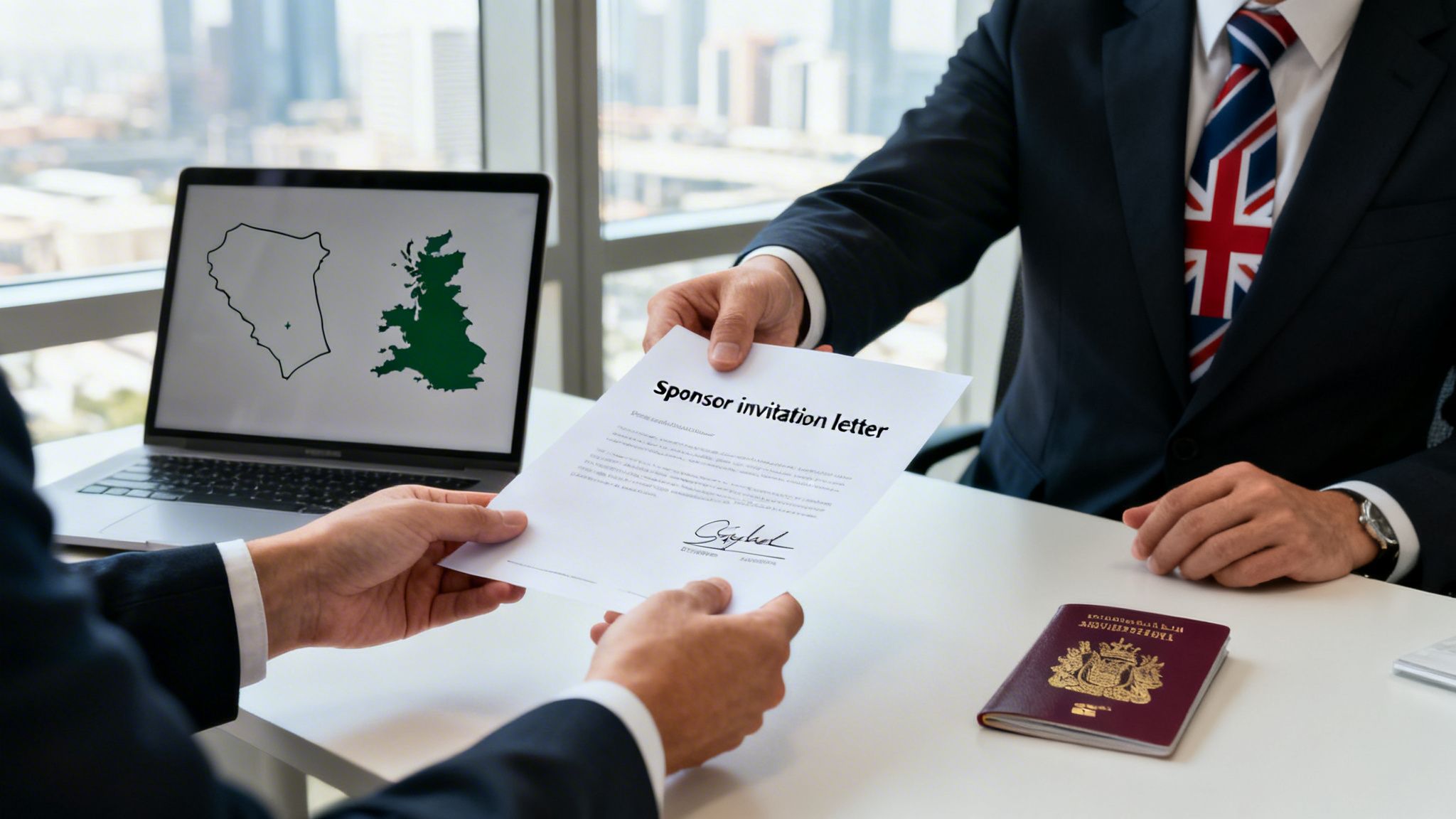
Strings Attached: The Countries with a Conditional Approach

Next are the countries that are a bit more cautious. They don't have an outright ban on multiple citizenships, but they don't hand them out freely, either. You can hold another nationality, but usually only under specific circumstances or after going through a formal legal process.

These restrictions are often about managing historical ties, controlling immigration, or simply ensuring a clear line of allegiance. Whether you get the green light might depend on your ancestry, which other country is involved, or whether you've formally asked the government for permission.

In these countries, dual citizenship isn't an automatic right. It's a privilege you have to apply for and justify. Trying to bypass the proper channels can have serious consequences, including losing your original citizenship.

A few countries that fall into this category:

  • Germany: The general rule is to renounce other nationalities, but there are key exceptions for EU and Swiss citizens, or for those who get special permission.
  • Spain: Allows dual nationality through reciprocal agreements with certain Latin American countries, but usually requires you to give up other citizenships.
  • South Africa: This is a critical one to know. Citizens must get permission to keep their South African citizenship before they acquire a foreign one. If they don't, they lose it automatically.

One and Done: Countries with a Strict Single-Citizenship Policy

Finally, there are the nations that enforce a strict one-citizen, one-country policy. The law here is crystal clear: you can only be a citizen of one place at a time. The moment you voluntarily become a citizen of another country, you're considered to have renounced your original one.

The logic behind this often comes down to national sovereignty, security, or a deep-seated desire to foster a single, unified national identity. For people from these countries, deciding to naturalise elsewhere is a major, and often irreversible, life choice.

Countries with a strict ban on dual citizenship include:

  • China: Article 3 of the Chinese Nationality Law is unambiguous: the country does not recognise dual nationality for any of its nationals.
  • India: Acquiring a foreign citizenship means your Indian citizenship is automatically and immediately terminated.
  • Japan: If you hold another nationality, you're required to choose one by the time you turn 22.

Knowing which category your country (or countries) of interest falls into is the absolute first step. It’s the difference between a smooth journey and a legal dead end, and it dictates the path you need to follow to protect the status you already have.

The Day-to-Day Realities of Multiple Nationalities

So, beyond the legal paperwork, what does holding more than one citizenship actually mean for your daily life? It’s a bit of a juggling act—a constant balance between incredible new freedoms and some serious responsibilities. On one hand, you’ve got a level of flexibility that most people can only dream of.

For a global professional, this freedom is a game-changer. Imagine being able to use a particular passport to sidestep a tricky political situation at a border, or having the right to work across different economic zones without wading through a swamp of visa applications.

On the other hand, it’s not all smooth sailing. You’re suddenly dealing with multiple sets of rules and obligations. And you absolutely have to stay on top of them, because ignoring your duties to one country while living in another can land you in very hot water.

The Balance of Rights and Responsibilities

When you hold more than one citizenship, you are subject to the laws of each of those countries, no matter where you happen to be living. This is the core reality you have to get your head around.

Take a big one: taxes. If you’re a US citizen, you’re on the hook for US taxes on your worldwide income, regardless of where you call home. So, a British-American professional living and working in London has to file with both HMRC in the UK and the IRS across the pond. It’s a classic example of dual obligations.

Then there's the small matter of military service. Countries like Switzerland, Israel, and South Korea require their citizens—and that includes dual nationals—to serve. If you don't comply, you could face hefty fines or even prison time. It’s a stark reminder that citizenship is a two-way street.

To get a clearer picture, this chart breaks down how different countries approach citizenship policy. It's a handy way to see where your nations might sit on the spectrum.

A visual hierarchy chart illustrating citizenship policy types: permissive, restricted, and prohibitive.

As you can see, while lots of countries are quite relaxed about it, a good number have restrictive rules that create very real, tangible obligations for their citizens, even when they’re living thousands of miles away.

Practical Implications for Global Professionals

For anyone working internationally, the benefits usually far outweigh the headaches—as long as you’re organised. The real trick is learning how to use your status strategically.

Key advantages include:

  • Enhanced Mobility: You can pick and choose which passport gives you the easiest, visa-free entry to your destination. It saves a phenomenal amount of time and paperwork.
  • Broader Economic Access: Suddenly, you have the right to live, work, and even buy property in multiple major economies, opening up a world of career and investment opportunities.
  • Consular Protection: In a jam? You can generally ask for help from the embassy or consulate of any country you're a citizen of.

But there’s a crucial catch to that last point. A country typically won't step in to help you if you're in another country where you also hold citizenship. In that situation, you’re considered a local.

Navigating multiple citizenships isn't about collecting passports like stamps. It's about proactively managing the legal and financial duties that come with each one. Only then can you unlock their true potential as a powerful professional asset.

This is particularly true when it comes to your travel documents. For British citizens, knowing the rules is non-negotiable, especially with the 2026 rule change. As of February 25, 2026, UK entry rules have tightened. Dual nationals can no longer use a foreign passport alone; they must present a valid British passport or a digital Certificate of Entitlement (COE) to avoid being denied boarding by carriers. As a citizen, you're not eligible for the new Electronic Travel Authorisation (ETA) system, making your passport the only way to guarantee smooth entry.

How A Second UK Passport Solves Global Travel Gridlock

A British passport, a boarding pass, and a white notebook lie on a sunlit white table.

While it’s useful to know how many citizenships you can legally hold, for most British nationals, the conversation quickly turns to a far more practical question: how do you make the most of the citizenship you already have? This is where a second UK passport isn't just a convenience; it's a powerful tool for managing risk and keeping your global operations moving.

Let's be clear, this isn't some back-door trick or an unofficial workaround. It’s a completely legitimate service provided by Her Majesty’s Passport Office (HMPO) for British citizens who can prove a genuine professional need. Think of it as an insurance policy against the infuriating delays and logistical headaches that can grind international business to a halt.

The Overlapping Visa Trap Solution

The most common reason professionals require this service is the "Overlapping Visa Trap." Picture this: you need a long-term visa for a major project in one country, a process that can easily swallow weeks, if not months. While that’s happening, your only passport is stuck at an embassy, effectively grounding you.

Then, inevitably, an urgent, high-stakes meeting crops up in a different country. Without a travel document, you have no choice but to cancel. The deal is jeopardised, and your business continuity is broken.

A second UK passport cuts right through this problem. It allows you to keep things moving forward:

  • Passport One: Gets submitted for the lengthy visa application.
  • Passport Two: Stays with you, ready for immediate travel anywhere else you need to go.

This simple separation of documents means your professional life doesn't get put on pause. It turns a potential operational nightmare into a seamless process, making sure you can be where you need to be, right when it matters.

Navigating Politically Sensitive Borders

Another critical scenario comes up when your work takes you to politically conflicting regions. An entry stamp from one country can be an automatic red flag for another, getting you denied entry and derailing an entire trip. It can even pose a real personal risk.

For anyone working on rotation in the energy sector or for NGO staff operating in sensitive zones, a second passport is an operational necessity. It gives you a "clean" biometric passport, free from any problematic stamps. This allows you to compartmentalise your travel history, ensuring you pass through immigration smoothly and maintain your personal security.

A second UK passport is a business asset designed for Operational Continuity and Risk Mitigation. It’s the official mechanism that allows frequent travellers and global professionals to manage complex international logistics without downtime.

The UK's open stance on multiple citizenships makes it an attractive hub for global talent. Official figures from GOV.UK consistently show a high number of citizenship grants, many of which are to professionals who add a British passport while keeping their original nationality.

Securing Your Second Passport

Getting your hands on a second passport means proving you have a "genuine need" for it. This service isn’t for everyone; it's specifically for those whose professional or humanitarian work demands it. The absolute cornerstone of a successful application is a formal support letter from your employer.

This letter must be on company letterhead, clearly state the business case for the second passport, and—this is crucial—it must have a "wet-ink signature". HMPO is incredibly strict about this. A scanned or digital signature will get your application rejected; it’s one of the most common pitfalls. Understanding these specific requirements is what turns this from a possibility into a powerful tool for global mobility. For a deeper dive into the application process, you might be interested in our expert services at https://secondukpassport.com/.

Your Top Citizenship Questions, Answered

Stepping into the world of multiple nationalities naturally brings up a lot of questions. Let's break down some of the most common queries we see, giving you the clear, straightforward answers you need to navigate your global status with confidence.

Could I Lose My Original Citizenship If I Get A New One?

This is probably the most important question on the list, and the answer isn't a simple yes or no. It all comes down to the laws of your original home country.

If you’re from a country like the United Kingdom, the United States, or Canada, you're generally in the clear. These nations are permissive, meaning they let you take on another citizenship without risking your original one.

However, that's not the global standard. Countries like China, India, and Japan have a strict one-citizenship policy. For their nationals, choosing to become a citizen of another country often means an automatic and immediate loss of their original nationality. It's absolutely crucial to check the specific laws for every country you're a citizen of before you even think about applying for another.

What's The Difference Between Dual Citizenship And A Second Passport?

People often use these terms as if they mean the same thing, but they are fundamentally different. Getting this right is key.

  • Dual Citizenship is your actual legal status. It means you are officially a national of two countries simultaneously, with all the rights and responsibilities that entails. Think of it as your core legal identity.
  • A Second Passport, specifically in the way we help British nationals, is a practical tool for travel. It means one British citizen holds two separate, valid UK passports at the same time.

This service doesn't give you a new nationality; it’s a brilliant solution to tricky logistical problems. It is an official process offered by Her Majesty's Passport Office (HMPO) for people who can prove they need it, like when you need to apply for a visa in one passport while travelling on the other, or to avoid issues when visiting countries that are in political conflict.

How Do Taxes Work With Multiple Citizenships?

This is where things can get complicated. Your tax obligations depend entirely on the specific countries you hold citizenship for. The United States, for example, is a major outlier – it taxes its citizens on their worldwide income, no matter where they actually live.

Most other countries, the UK included, use a residence-based system. This means you’re taxed primarily in the country where you live. To avoid the nightmare of being taxed twice on the same income, many countries have signed double-taxation treaties.

Navigating these international agreements is a specialised skill. We always recommend getting advice from a tax professional who knows the ins and outs of expatriate and international finance to make sure you're compliant everywhere.

Getting it wrong in one country can create serious problems, even if you never set foot there. Professional advice isn't just a good idea; it's essential.

Which Passport Should I Use When I Travel?

The golden rule here is refreshingly simple: use the passport of the country you are entering or exiting. A dual UK-US citizen, for example, must use their British passport to enter the UK and their US passport to enter the US.

This isn’t just a guideline anymore; it’s a strict requirement. As of February 25, 2026, UK entry rules have tightened. Dual nationals can no longer use a foreign passport alone; they must present a valid British passport or a digital Certificate of Entitlement (COE) to avoid being denied boarding by carriers.

The reason is simple: British citizens are ineligible for the new Electronic Travel Authorisation (ETA) system, making the possession of a valid British passport the only seamless way to enter the UK.

When you're travelling between two other countries (say, from France to Japan), you can be more strategic, choosing the passport that gives you better visa-free access. The key is to be consistent: use the same passport to enter and exit any single country to avoid confusing immigration officials. You can learn more about how a second passport can aid your travel strategy in our detailed guide.


At secondukpassport.com, we provide expert guidance to help frequent travellers secure a second UK passport, ensuring you can navigate global travel complexities with confidence.

Check your eligibility and start your application today.

Your Guide to a Canada Work Permit UK for UK Citizens

Securing a Canada work permit from the UK is your ticket to living and working in one of the world's most vibrant economies. For UK citizens, the path you take generally depends on your age and whether you have a job offer lined up. The two most common routes are the International Experience Canada (IEC) programme, a fantastic option for younger applicants, and a traditional employer-specific permit.

Getting it right from the start means knowing which path suits you best.

Your Roadmap to Working in Canada

Applying for a Canadian work permit from the UK can feel like a mountain of paperwork, but it's completely achievable when you break it down. Whether you're a young professional looking for an adventure through the International Experience Canada (IEC) programme or a specialist who's already landed a job offer, this guide will walk you through it.

Your first move is a big one, as it sets the entire strategy for your application. You need to figure out which of the two main permit types fits your situation.

The Two Core Permit Categories

Your application process hinges on whether you're going for an open work permit or an employer-specific one. They are fundamentally different.

  • Open Work Permits: Think of these as your pass to ultimate freedom. You can work for almost any employer, anywhere in Canada. For UK citizens between 18 and 35, the most popular option by far is the IEC's Working Holiday stream. It’s perfect if you want to explore the country, try different jobs, and not be tied down to one company.
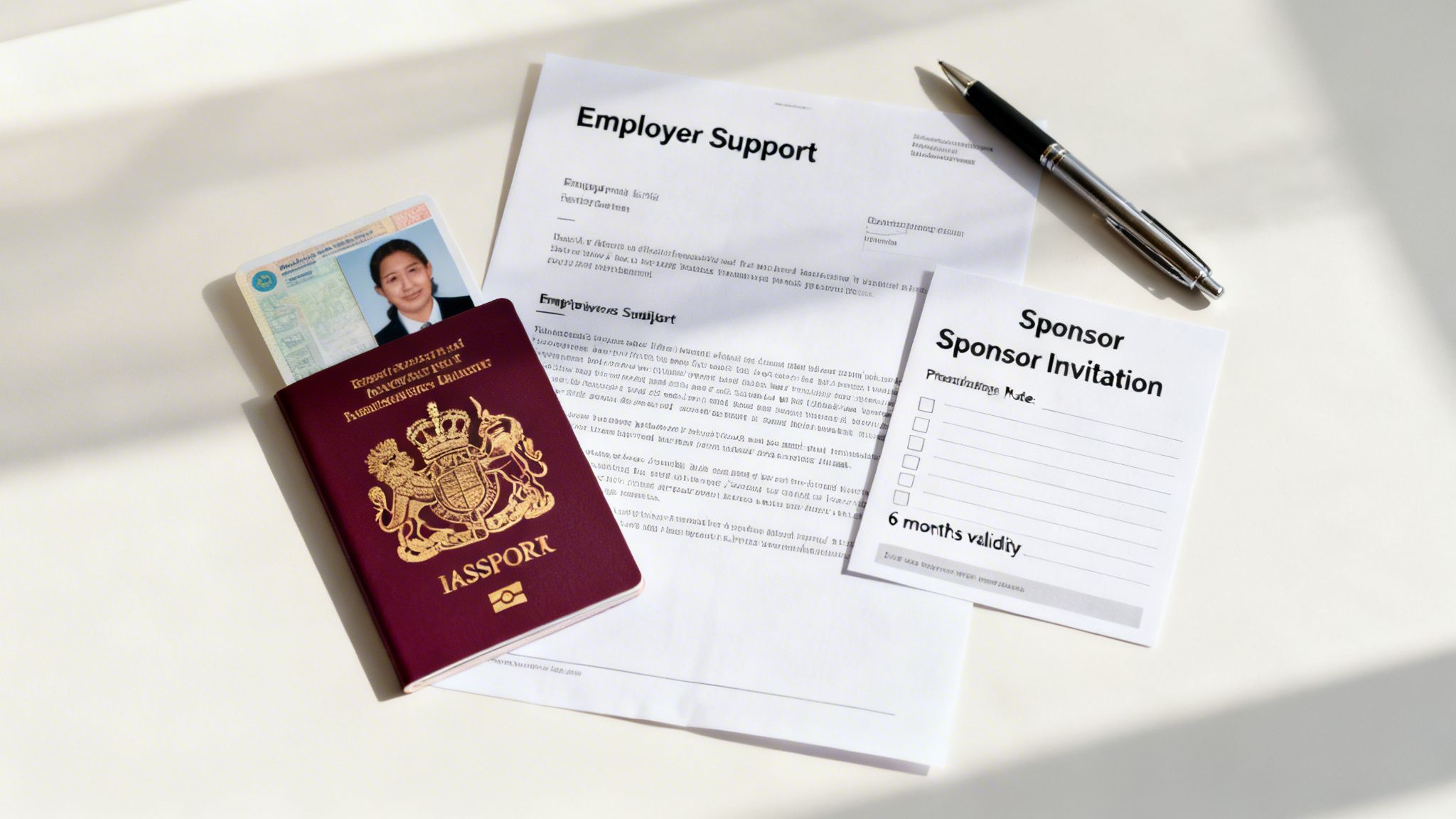
  • Employer-Specific Work Permits: This is the route for you if you've already got a concrete job offer from a Canadian employer. The permit is locked to that specific company, role, and location. This process usually requires your new employer to get a Labour Market Impact Assessment (LMIA), which is their way of proving to the government that no Canadian could fill the role.

For corporate professionals and frequent travellers, the logistics of an employer-specific application can be a real headache. The long processing times often require you to send in your passport, which can clash with other international business trips.

Nailing this distinction from the get-go is the most critical first step. It dictates the documents you'll need, the forms you'll fill out, and how long you can expect to wait. Choose the right path, and you'll have a clear plan for getting your Canadian work adventure started.

Choosing Your Canada Work Permit Pathway

When it comes to getting a Canadian work permit as a UK citizen, there isn't just one single path. Think of it more like a network of routes, each designed for different ages, career goals, and situations. The most critical first step is figuring out which pathway aligns with your circumstances, as that decision will shape your entire application process.

The two main avenues you'll encounter are the hugely popular International Experience Canada (IEC) programme and the more traditional, employer-led Temporary Foreign Worker Program (TFWP). The difference between them is massive. One offers incredible flexibility and freedom, while the other is a direct line to a specific job but puts more responsibility on your employer.

This decision tree gives you a quick visual breakdown to help you see which route makes the most sense based on whether you have a job offer lined up or are looking for more freedom.

Flowchart detailing the decision path for Canada work permits, covering open and employer-specific options.

As you can see, your primary goal—whether it's flexible travel or a secured role—points you towards completely different application streams, like the IEC or an LMIA-backed permit.

The International Experience Canada (IEC) Avenues for Brits

The IEC programme is a brilliant opportunity created specifically for young UK citizens, typically between the ages of 18 and 35. It’s all about fostering cultural exchange and is broken down into three distinct streams.

  • The Working Holiday Stream: This is the golden ticket for many. It’s the most flexible and sought-after option because it grants you an open work permit. This means you aren’t tied to a single company and can work for almost any employer anywhere in Canada. It's perfect if your main goal is to travel and fund your adventures with temporary work. The best part? You don't need a job offer to apply.

  • The Young Professionals Stream: This one is geared towards career development. To qualify, you must have a job offer from a Canadian employer before you apply. The work also needs to be skilled (classified under National Occupational Classification or NOC TEER 0, 1, 2, or 3) and contribute to your professional growth. This results in an employer-specific permit, locking you to the company that provided the offer.

  • The International Co-op (Internship) Stream: This route is for students registered at a post-secondary institution back in the UK. If you need to complete a work placement or internship in Canada as a formal part of your studies, this is the stream for you. Just like the Young Professionals stream, it requires a pre-arranged job offer and leads to an employer-specific work permit.

The IEC is incredibly competitive, and the spots are limited. Pools for the Working Holiday stream, in particular, can fill up shockingly fast. I always advise clients to get their profile ready and enter the pool the moment it opens for the season.

The Employer-Driven Temporary Foreign Worker Program (TFWP)

What if you're over the age limit for IEC, or your job offer doesn't quite fit the Young Professionals category? That’s where the Temporary Foreign Worker Program (TFWP) comes in. This is a purely employer-driven process, meaning the company wanting to hire you takes the lead.

The whole point of the TFWP is for an employer to demonstrate that they need to hire a foreign worker because no Canadian citizen or permanent resident is available for the job.

This proof comes in the form of a Labour Market Impact Assessment (LMIA). An LMIA is a document from Employment and Social Development Canada (ESDC) that gives the employer official permission to hire a temporary foreign worker. Getting one is a complex process for the employer—they have to advertise the job extensively across Canada first. A positive LMIA confirms there's a genuine need for your skills. Once your employer has that document in hand, you can finally apply for your employer-specific work permit.

Canada Work Permit Pathways for UK Citizens at a Glance

Choosing between IEC and TFWP is a strategic decision that involves you and, in many cases, your future employer. To help you weigh your options, this table breaks down the core differences at a glance.

Permit Pathway Primary Eligibility Job Offer Required? Best For
IEC Working Holiday UK Citizen, 18-35 years old. No, not required. Young travellers seeking flexibility and the freedom to work for multiple employers.
IEC Young Professionals UK Citizen, 18-35, with a skilled job offer. Yes, a compliant job offer is mandatory. Career-focused individuals wanting to gain professional experience in Canada with a specific employer.
Temporary Foreign Worker Program (TFWP) Any age, with a job offer and a positive LMIA. Yes, along with a supporting LMIA. Skilled professionals of any age whose employers can demonstrate a labour market need.

For many seasoned professionals, especially those in high-demand fields, the TFWP is the most direct—and sometimes only—route. That said, the LMIA requirement adds significant time, cost, and complexity to the process for the employer. If you are eligible for the IEC, it is almost always a much faster and simpler alternative for both you and the company hiring you.

Getting Your Paperwork in Order

A person's hand holds a British passport, with more passports and application forms on a wooden table.

Think of your application for a Canada work permit UK professionals need not as a pile of forms, but as your evidence file. You're building a case, and every single document has to be spot-on—current, correctly formatted, and precise. One small mistake can lead to an outright rejection or, at best, a frustrating delay.

It all starts with your passport. This is a classic stumbling block. Canadian authorities simply will not issue a work permit that outlives your passport. Before you do anything else, check that expiry date. Make absolutely sure it’s valid for the entire time you plan to be in Canada.

This level of detail needs to apply to everything you submit, from your work history to police checks. It’s a methodical process, but getting it right from the start saves a world of trouble later.

The Core Documents Every UK Applicant Needs

While every work permit stream has its own unique quirks, there's a set of personal documents that you'll almost certainly need to provide. Getting these sorted early will put you way ahead of the game.

Here’s your essential checklist:

  • A Valid Passport: We've mentioned it, but it's worth repeating. You'll need high-quality, full-colour scans of every single page, and yes, that includes the blank ones.
  • A Digital Photo: This needs to be a recent, professional-quality photo that meets Canada's very specific rules on size, background, and even your facial expression.
  • Proof of Funds: You have to show you can support yourself when you land. For IEC applicants, this is a set figure (usually CAD $2,500), but everyone needs to provide bank statements from the last few months to prove their financial stability.
  • Police Certificates: You’ll need a police certificate from the UK. If you've lived in any other country for six months or more since you turned 18, you'll need one from there, too.
  • Medical Examination: Depending on the job you’ll be doing or where you’ve travelled recently, you might have to get a medical exam from a doctor approved by Immigration, Refugees and Citizenship Canada (IRCC).

A common mistake I see is people just printing their online bank statements. IRCC is looking for something more official. You need a formal letter from your bank, on their letterheaded paper, clearly showing your account details and the closing balance for the last four months. It’s a small detail that makes a big difference.

Your Employer's Crucial Paperwork

If you're applying for an employer-specific work permit, the documents from your Canadian employer are just as critical as your own. A vague or non-compliant job offer is one of the fastest ways to get your application refused.

The employer's paperwork is what proves the job is legitimate. They'll need to provide a formal job offer letter detailing your role, salary, and working conditions. If you're coming through the Temporary Foreign Worker Program (TFWP), they also have the massive task of securing a positive Labour Market Impact Assessment (LMIA) before you can even think about applying.

It’s a true partnership. The pressure isn't just on you; it's a coordinated effort between you and your future employer.

The Frequent Traveller's Dilemma: How to Avoid Being Grounded

For consultants, executives, and anyone who lives out of a suitcase, the work permit process can create a huge logistical headache. Your passport is tied up for weeks or months, leaving you grounded and unable to take that crucial trip to another country. It's what we call the "Overlapping Visa Trap."

This is where a second UK passport becomes more than a convenience—it’s a critical business tool for Operational Continuity. It's a completely legitimate service offered by Her Majesty’s Passport Office (HMPO) for people who can prove a genuine need. Think of it as a Plan B against business downtime.

With a second biometric passport, you can have one tied up in the Canada work permit UK application queue while you use the other for essential international travel. Business continues without a hitch. As global mobility gets more complex, this strategy is becoming essential. In the year ending June 2022, the UK granted 331,233 work-related visas, a staggering 72% jump from 2019. For British professionals juggling multiple applications, a second passport is the key that keeps everything moving, especially with the number of Canadian permit holders growing to over 188,000 by 2023. You can read more about the rise in UK work visa grants from GOV.UK.

Managing the Online Application and Biometrics

Hands typing on a laptop displaying an online application form, with a smartphone, passport, and calendar.

Everything for your Canada work permit UK application happens online through the official Immigration, Refugees and Citizenship Canada (IRCC) secure portal. Think of this as your digital command centre where you'll build your case, fill out the forms, upload all your carefully prepared documents, and handle the fees.

Navigating this portal is all about precision. After you hit 'submit', you’ll get a confirmation, and soon after, the crucial Biometric Instruction Letter (BIL). This letter is your green light to provide your fingerprints and photo.

Navigating the IRCC Online Portal

The first thing you'll do is create a secure IRCC account. This is where you'll live for the next few weeks, tracking progress and getting official messages. The portal walks you through a questionnaire that figures out your eligibility and spits out a personalised checklist of exactly what documents you need.

Getting the uploads right is critical. Make sure every file is in the right format (usually PDF or JPG), is clearly labelled, and comes in under the size limit. A blurry or poorly scanned document can bring your whole application to a grinding halt.

The Critical Biometrics Appointment

Once that Biometric Instruction Letter lands in your account, the clock starts. You generally have 30 days to book and show up for an appointment at a designated Visa Application Centre (VAC) in the UK. This is a non-negotiable step and a key part of the security screening for any Canadian work permit.

Booking is done online through the official VAC services provider for the UK. It's straightforward, but appointments can be snapped up quickly, especially in busy periods. Don't forget to bring your original passport and the BIL to your appointment.

The appointment itself is quick and painless, usually lasting less than 20 minutes. A staff member will scan your fingerprints and take a new photo. The good news? Once done, your biometrics are valid for ten years.

This is precisely where frequent travellers hit a wall. Imagine your main passport is tied up at another embassy for a different visa, and your 30-day Canadian biometrics deadline is fast approaching. This is a classic—and very stressful—operational continuity challenge we see all the time.

The Second Passport as Your Plan B

For professionals juggling international commitments, the biometrics request can throw a real spanner in the works. If your only passport is out of action, you risk blowing the deadline and having your Canadian work permit application cancelled.

This is where having a second, fully legitimate British passport becomes a game-changer. It's your insurance policy. If your primary biometric passport is held up, you can simply use the second one to attend the biometrics appointment in the UK. This simple move keeps your Canada work permit UK application on track and your travel schedule intact.

Competition for global talent is fierce. By late 2025, Canada was home to 1,491,500 work permit holders, a number that reflects the high demand we also see in the UK, where work visa grants to non-EU applicants reached 312,600 by 2023. With such high volumes and frequent backlogs, a second UK passport lets you run visa applications in parallel—a massive advantage when UK sponsorship is also booming, with 172,763 Certificate of Sponsorship applications in the year to June 2022. You can dig deeper into these global mobility trends from the Migration Observatory.

What Happens After Biometrics

Once your biometrics are collected, they are sent electronically to IRCC and attached to your application. This is often the last piece of the puzzle the visa officer is waiting for. You'll see an update in your IRCC portal confirming they've been received.

Now comes the hard part: waiting. Processing times can vary wildly. But by managing your application with military precision—and having a backup plan like a second passport—you’ve put yourself in the strongest possible position for a smooth and successful result.

Final Steps and Common Mistakes to Avoid

The last leg of your Canada work permit UK application is often where things can go wrong. After all that hard work pulling your documents together, it’s tempting to rush through the final submission. But this is precisely where small, avoidable errors can cause serious headaches and delays. A simple oversight on a form or a miscalculation of your settlement funds can easily push your application to the bottom of the pile.

And remember, hitting 'submit' isn't the finish line. The approval you receive is a Port of Entry (POE) Letter of Introduction, not the work permit itself. Think of it as your invitation to the border, but you still need to have your conversation with a border services officer to get the actual permit.

The Pre-Submission Sanity Check

Right before you click that final 'submit' button on the IRCC portal, pause and take a breath. This is your last chance to do a thorough sanity check and catch those common slip-ups that trip up so many applicants. Honestly, a few extra minutes here can save you months of frustration later.

Run through this final checklist:

  • Form Completion: Have you answered every single question? Don’t leave fields blank, even if you think they don’t apply to you. It’s better to write "N/A" (Not Applicable) than to leave a gap that could get your application flagged as incomplete.
  • Sufficient Funds: Is your proof of funds crystal clear and does it meet the threshold for your permit stream? Make sure your bank statements are recent, on official letterhead, and show a stable balance. Sudden large deposits without explanation can raise questions.
  • Document Consistency: Do the names, dates of birth, and passport numbers on all your documents match perfectly? A typo or a slight difference between your passport and your job offer can create unnecessary complications.
  • Eligibility Rules: Quickly double-check the eligibility criteria one last time. Life happens, and your circumstances might have changed since you started the process. It's up to you to ensure you still qualify when you submit.

A classic mistake I see all the time is a weak job offer letter. For an employer-specific permit, the offer needs to be incredibly detailed about your salary, duties, and employment conditions. A generic "you're hired" letter just won't cut it and is a frequent cause for refusal.

You’re Approved! What Happens Next?

Getting that Port of Entry Letter of Introduction in your IRCC account is a fantastic feeling—congratulations! But it's vital to understand what this letter actually is. It is not your work permit. It's the official document you need to show an officer at the Canadian border, who will then issue the real thing.

As soon as you get the letter, read it from top to bottom. Check every single personal detail: your name, date of birth, and passport number. If you find any errors, no matter how small, you must contact IRCC through their web form to get them fixed before you book any flights. The letter typically gives you a 12-month window to travel to Canada and activate it.

Preparing for a Smooth Arrival in Canada

Your arrival at the airport in Canada is the final piece of the puzzle. The secret to a stress-free entry is simple: keep all your essential documents organised and easily accessible in your hand luggage. Never, ever pack them in your checked-in suitcase. The border services officer will need to see everything to make their final decision.

Here’s your carry-on checklist:

  • Your valid passport
  • The Port of Entry (POE) Letter of Introduction
  • Recent proof of funds (a printed bank statement is a good idea)
  • The original copy of your job offer letter (if applicable)
  • Any other key documents from your application, like your LMIA or police certificates.

When you speak to the officer, be ready for a few straightforward questions about your plans. They’ll likely ask what kind of work you’ll be doing, who your employer is, and where you're staying when you first arrive. Just be polite, clear, and honest in your answers.

Once the officer is satisfied, they will print your official Canada work permit and usually staple it into your passport. Before you walk away from that counter, check it for any errors. Once you're happy with it, you can officially say: welcome to Canada.

Got Questions? We’ve Got Answers

When you're navigating the Canadian work permit process from the UK, it’s natural for specific questions to pop up. Let's tackle some of the most common ones I hear from applicants, cutting through the jargon to give you the practical answers you need.

Can I Apply From the UK if I’m Not a UK Citizen?

Absolutely. The key here is your legal status in the UK. As long as you're a legal resident, you can submit your application from here.

However, your citizenship does matter for certain programmes. The popular International Experience Canada (IEC) stream, for instance, depends on whether your home country has a specific youth mobility agreement with Canada. For most employer-specific work permits, though, your application hinges on the job offer and your qualifications, not your nationality.

How Much Money Do I Need to Show for Proof of Funds?

This is a big one, and the answer really depends on the type of permit you're after.

If you’re applying through an International Experience Canada (IEC) stream, the number is quite specific: you'll need to show you have at least CAD $2,500. This isn't a suggestion; it's a hard requirement to prove you can support yourself when you first land in Canada.

For permits tied to a specific employer, there isn't usually a magic number. That said, you still need to convince the officer you won't be in financial trouble upon arrival. The required amount also increases significantly if you’re bringing your family along. Always double-check the latest requirements for your specific permit on the official IRCC website.

What Happens if My UK Passport Expires While My Permit is Still Valid?

This is a critical detail that trips up a lot of people. Your Canadian work permit is tied directly to the passport you used for the application. You simply cannot travel or work in Canada using a valid work permit with an expired passport.

Here's the most important takeaway: Canadian authorities will not issue a work permit that's valid longer than your passport. If your passport expires in 18 months, the longest permit you can get is 18 months, even if your job offer is for three years.

To avoid this headache, check your passport's expiry date before you even think about applying. If it's running low, renew it first. If you find yourself needing to renew your passport while in Canada, you'll have to go through the extra step of applying to update your work permit details with the new passport information.

For business professionals who travel constantly, this is precisely why having a second UK passport isn't a luxury—it's a necessity. It acts as an insurance policy, allowing you to keep one passport free for travel while the other is tied up in a lengthy visa application process.


If you're a frequent traveller managing complex international commitments, being without your passport is not an option. Second UK Passports provides a compliant, time-sensitive solution to ensure your business operations continue without interruption. Check your eligibility for a second passport to keep your travel plans on track while your Canadian application is processing. Learn more at https://secondukpassport.com.

Your Essential Guide to the Business Visa for Saudi Arabia for UK Citizens

Securing a business visa for Saudi Arabia is a meticulous process, not a simple box-ticking exercise, particularly for UK professionals. Your entire application hinges on a critical document: a valid invitation from a Saudi sponsor. This isn't a mere formality but the official green light from the Kingdom's authorities, making it essential to get right.

Navigating The Saudi Business Visa Framework

For UK professionals in sectors like energy, finance, or logistics, the process of securing a business visa for Saudi can seem daunting. Unlike a straightforward tourist e-visa, business travel is scrutinised far more closely, and every document submitted carries significant weight. Understanding the landscape from the outset is fundamental to success. Let’s walk through the core requirements.

The Sponsor Is Your Cornerstone

Everything begins and ends with your sponsor in Saudi Arabia. This entity—be it a client, partner company, or local subsidiary—is responsible for formally inviting you through the Saudi Ministry of Foreign Affairs (MOFA). This is not a simple letter but a formally registered document that officially authorises your business visit.

Two businessmen exchanging a sponsor invitation letter for a UK visa, with a passport and maps on the table.

The standing of your sponsor within Saudi Arabia is paramount. While the Kingdom issues over 50,000 'Investor Visitor' visas annually, checks on sponsor companies have tightened. As a British applicant, you must be invited by a Saudi company in good standing with the Nitaqat (Saudization) programme. If your sponsor holds a 'Yellow' or 'Red' status, your visa is almost certain to be denied. We've observed a sharp increase in rejections for this very reason. You can find more insights about UK visa statistics and their implications for travellers.

Key Takeaway: Your visa application's strength is directly tied to your Saudi sponsor. Before gathering any documents, discreetly confirm their Nitaqat status to avoid an immediate—and costly—rejection.

To help you get organised, here's a quick summary of the main requirements.

Saudi Business Visa Key Requirements at a Glance

Requirement Description Critical Importance
UK Passport Must be valid for at least 6 months beyond your intended stay with two blank pages. High
Saudi Sponsor A registered Saudi company in good Nitaqat standing to provide the invitation. Highest
MOFA Invitation Letter The official invitation issued by your sponsor via the Saudi Ministry of Foreign Affairs. Highest
UK Employer Letter A letter from your UK company confirming employment, role, and travel purpose. High
Completed Application The visa application form, filled out accurately and completely. High

Getting these core elements right from the start will streamline the rest of the process significantly.

The Challenge of Concurrent Travel: The Overlapping Visa Trap

A common problem that catches out many frequent flyers is the "Overlapping Visa Trap." When applying for a visa, an embassy can hold your passport for weeks, completely freezing your ability to travel elsewhere. This creates a logistical nightmare for professionals with back-to-back international commitments.

This is precisely where a second UK passport becomes an indispensable tool for maintaining Operational Continuity. It is a fully legitimate "hidden solution" offered by Her Majesty’s Passport Office (HMPO) for professionals who can demonstrate a genuine need. With a second passport, you can submit one for a lengthy visa process (like the business visa for Saudi) while using the other for immediate travel needs. It's a smart strategy for Risk Mitigation that prevents administrative delays from derailing your professional schedule.

Getting Your Documents Right: The Make-or-Break Checklist

When it comes to a Saudi business visa, your paperwork is everything. Countless applications stall or are rejected over minor details. Getting every document perfectly in order from the start is the only way to ensure a smooth process.

A passport with an ID card, employer support letter, sponsor invitation, and pen on a table.

Let's go through each requirement piece by piece, highlighting the common pitfalls that trip people up time and again.

Your British Passport: The First Hurdle

Your passport is the first item an official examines, and it's an easy place to fail before you've even begun. Before proceeding, check your biometric passport against these non-negotiable rules:

  • Six Months' Validity (From Entry!): Your passport must be valid for at least six months from your planned date of entry into Saudi Arabia, not your application date.
  • Two Blank, Consecutive Pages: You need at least two completely empty, side-by-side visa pages. Pages with any stamps or markings, even those titled 'Amendments', do not count.
  • No Israeli Stamps: An Israeli entry or exit stamp is a major red flag and can lead to immediate rejection. This is a primary reason why a second UK passport is so valuable, as it allows you to isolate travel histories between politically conflicting regions.

Crucially, as of February 25, 2026, UK entry rules have tightened. British dual nationals can no longer use a foreign passport to enter the UK; they must present a valid British passport or a digital Certificate of Entitlement (COE) to avoid being denied boarding. Since British citizens are ineligible for the new Electronic Travel Authorisation (ETA) system, a valid British passport is the only seamless way to enter the UK.

The ENJAZIT Form and Your Photos

The online application, typically completed via the ENJAZIT platform, demands absolute accuracy. Every field is cross-referenced with your supporting documents. A common mistake, such as a slight variation in job title between the form and your employer letter, is enough to trigger a denial.

Your photos are subject to equally strict requirements. They must be recent (within the last three months), in colour, and set against a plain white background. No glasses or headwear (unless for religious reasons) are permitted, and a neutral expression is mandatory.

The Two Letters That Must Be Perfect

While every document is important, the heart of your application lies in two letters: the support letter from your UK employer and the invitation from your Saudi sponsor. These documents must be perfectly synchronised.

I can't stress this enough: a mismatch between the visa validity your employer requests and what your sponsor has been approved for is a primary reason for rejection. If your company letter asks for a 12-month, multiple-entry visa but the Saudi invitation is only for a 90-day single entry, it's a guaranteed problem.

1. UK Employer Support Letter: This must be on official company letterhead with a genuine "wet-ink signature" from a senior company figure. A digital or scanned signature will be rejected. The letter must confirm your role, detail the exact purpose of your visit, and formally state that your company is covering all travel expenses.

2. Saudi Sponsor Invitation Letter: This is the cornerstone. Your Saudi partner obtains this for you through their Ministry of Foreign Affairs (MOFA), and it must be officially stamped by the Saudi Chamber of Commerce. This document dictates the terms of your visa—validity, number of entries, and purpose.

Think of these two letters as two halves of a whole. Your job title, stated purpose of the trip, and requested visa duration must be identical on both. Any difference creates doubt, and doubt leads to rejection of your business visa for Saudi application.

Understanding the Saudi Invitation Letter

Let’s be clear: the invitation letter from your Saudi sponsor isn't just a formality. It’s the absolute foundation of your business visa application. Think of it as your official endorsement within the Kingdom, a government-registered document that vouches for you. Without a perfectly executed invitation, your application is dead on arrival.

This letter is generated by your Saudi partner company through their portal with the Ministry of Foreign Affairs (MOFA). It then has to be officially attested by the Saudi Chamber of Commerce. This crucial step formalises the request and tells the Saudi authorities that your sponsor is taking responsibility for your visit.

Why Your Sponsor's 'Nitaqat' Status Matters

Before your Saudi partner even thinks about drafting the invitation, their own company's standing is under the microscope. Saudi Arabia has a nationalisation scheme called Nitaqat, which grades companies based on how many Saudi nationals they employ. This is a critical detail that many applicants miss.

If your sponsor has a high compliance level—'Platinum' or 'Green'—it signals to the authorities that they are a reputable business. On the flip side, an invitation from a company with a 'Yellow' or 'Red' Nitaqat status is a major red flag.

I’ve seen it happen time and again: a perfectly good visa application gets rejected out of hand because the sponsoring company had a poor Nitaqat rating. The Saudi authorities simply won't accept an endorsement from a business they consider non-compliant.

It’s well worth having a candid conversation with your Saudi hosts about their Nitaqat status before they start the process. It’s a simple question that could save you a world of time, money, and hassle.

What A Valid Invitation Must Include

The invitation has to be precise. Any mistake, no matter how small, can cause serious delays or even get your application thrown out. Make sure your sponsor includes these details, exactly as they appear in your other documents:

  • Your Full Name and Nationality: This must be an exact match to what’s in your passport. No abbreviations or variations.
  • Your Job Title: This needs to align perfectly with the job title mentioned in your UK employer’s support letter.
  • Your Passport Number: Get them to double- and triple-check this for accuracy. A single wrong digit will derail everything.
  • Sponsor's Full Company Name and Address: As officially registered in Saudi Arabia.
  • Sponsor's Commercial Registration (CR) Number: This is their unique 10-digit business ID in the Kingdom.
  • Visa Type, Validity, and Entries: The letter must be specific. Does it request a single or multiple-entry visa? For what duration—90 days, 180 days? Leave no room for ambiguity.

The purpose of your visit also needs to be explained with real business clarity. Vague phrases like "for business meetings" just won't cut it. A much better, more specific description would be something like, "To attend technical project meetings and conduct contract negotiations regarding the Riyadh Metro expansion project."

A Quick Checklist for Your Saudi Sponsor

To help your Saudi partner get it right the first time, you can share this simple checklist with them. It covers the essentials the consulate will be looking for and is a key step towards getting your business visa for Saudi.

  1. Confirm Nitaqat Status: First things first, is your company’s Nitaqat rating 'Green' or higher?
  2. Verify Applicant Details: Have you checked the applicant's name, passport number, and job title against the documents they sent you?
  3. Specify Visa Terms: Does the invitation clearly state the correct visa type (single/multiple entry) and the duration we agreed upon?
  4. Detail the Purpose: Is the reason for the visit explained in specific, commercial terms, not just generic phrases?
  5. Include CR Number: Is your 10-digit Commercial Registration number clearly visible on the letter?
  6. Secure Attestation: Finally, has the letter been processed through MOFA and officially stamped by the Chamber of Commerce?

Getting these details right from the start dramatically boosts the chances of the invitation being accepted, setting you up for a smooth and successful visa application.

Navigating The Visa Application And Submission Process

Once you’ve gathered all your documents and double-checked everything, you’re ready to get the application submitted. For UK business travellers heading to Saudi, there isn't just one way to do this. You have a couple of distinct choices, and each comes with its own pros and cons regarding speed, cost, and how much hands-on support you get.

The two main routes are applying directly through an official processing centre, like VFS TasHeel, or handing the whole thing over to a specialist visa agency. Knowing the practical differences between them is crucial for picking the path that aligns with your schedule and business objectives.

Before you can even start your side of the application, remember that your Saudi sponsor has to kick things off by securing that all-important invitation letter.

Flowchart illustrating the Saudi invitation letter process, detailing sponsor request, MOFA approval, and applicant receiving visa.

As you can see, the process is sponsor-led from the beginning. They need to get the green light from the Saudi Ministry of Foreign Affairs (MOFA) before a single document comes your way.

Choosing Your Application Pathway

Going directly through an official centre like VFS TasHeel is the standard approach. This involves booking an appointment online, showing up in person to submit your paperwork, and giving your biometric data (fingerprints and a photo). It's a direct route, but it can feel a bit impersonal, and you're on your own if there are any issues.

The alternative is to use a reputable visa agency. This can be a real lifesaver, especially for busy executives or those with complex travel plans. A good agent will pre-check every single one of your documents, catching the small but critical errors that often lead to a flat-out rejection. They handle the entire submission for you, acting as a buffer between you and the bureaucracy.

Expert Insight: Yes, an agency charges a service fee, but its real value is in mitigating risk. A rejected application costs more than just the visa fee—it can jeopardise a crucial business deal because of delays. Think of an agency's expertise as an insurance policy against preventable mistakes.

Understanding Realistic Timelines and Bottlenecks

Processing times for a Saudi business visa can be a bit of a moving target. While a clean, straightforward application might be turned around in 5-10 working days, this is by no means a guarantee. And remember, that clock only starts ticking after you've successfully submitted your biometrics at the centre.

Several factors can throw a spanner in the works:

  • Public Holidays: All processing grinds to a halt during both UK and Saudi public holidays. Always check the calendars for both countries when mapping out your timeline.
  • Consular Backlogs: Consulates can get swamped during peak travel seasons, leading to longer queues and delays.
  • Requests for More Information: If the consulate sees anything ambiguous in your application, they might put it on hold and ask for clarification, pausing the process indefinitely until you provide what they need.

Increased Scrutiny on UK Applicants

It's also worth noting the current climate. There's a sharp contrast in recent visa approval trends. While Saudi nationals enjoy a 97% approval rate for UK visitor visas, British executives are facing tougher checks for Saudi business visas.

We've seen refusal rates climb, especially for people who travel frequently with only short gaps between their trips. This is partly because Saudi sponsors are now under pressure to maintain good compliance ratings on government platforms like Qiwa and MOFA. A poor rating can trigger an automatic rejection of the visa application they're sponsoring. You can see the official figures in the full UK government statistics report.

Getting through this process successfully comes down to meticulous planning, a flawless application, and a real-world understanding of the potential hurdles. Choosing the right submission method and building in a buffer for delays are key to getting your business visa for Saudi without throwing your plans into chaos.

The Second UK Passport: A Strategic Tool for Business Continuity

For any serious international professional, managing travel logistics can feel like a constant battle against delays, red tape, and unexpected hurdles. A simple administrative hold-up—like your passport being stuck at an embassy for weeks—can derail a multi-million-pound deal. This is precisely where a second UK passport stops being a mere convenience and becomes an essential tool for Operational Continuity.

An open British passport with visa stamps and a boarding pass on a wooden table, next to a suitcase.

Think of it as a proactive "Plan B" or "Insurance Policy." It allows you to navigate the complex demands of international business without losing momentum. This is not a workaround; it's a fully legitimate service provided by Her Majesty’s Passport Office (HMPO) for British citizens who can prove a genuine need.

Escaping the Overlapping Visa Trap

The most common "genuine need" is escaping the "Overlapping Visa Trap." Imagine your main passport is with the Chinese embassy for several weeks. Suddenly, a critical, time-sensitive opportunity arises in Riyadh, requiring a business visa for Saudi Arabia now. With only one passport, you're completely stuck.

This isn’t a hypothetical problem—it's a daily reality for executives, engineers, and sales professionals across the UK. A second passport is the only practical solution, allowing you to run visa applications in parallel. You can submit one passport to get your Saudi visa while using the other for immediate travel.

This strategic separation of documents ensures your business operations are never held hostage by consular processing times. It’s the difference between seizing an opportunity and having to explain to your board why a key meeting was missed.

To see just how powerful this can be, you can explore the full scope of how a second UK passport provides a vital advantage for frequent travellers.

Navigating Politically Sensitive Travel

Another critical "genuine need" that HMPO recognises involves dealing with incompatible entry stamps. Some countries will deny entry if your passport shows travel to a nation they have political conflicts with, a major issue for anyone doing business across the Middle East.

  • The Israel-Saudi Challenge: While diplomatic relations are evolving, a passport containing an Israeli stamp still carries a high risk of rejection for a Saudi visa application.
  • Ensuring Operational Continuity: A second passport allows you to completely isolate your travel histories. One passport can be used for trips to Israel, while the other remains 'clean' for seamless entry into Saudi Arabia and other GCC countries.
  • Risk Mitigation: This tactic removes the ambiguity and the real risk of being denied boarding or turned away at immigration—a risk no business can afford. It is standard practice for seasoned corporate travellers and rotational workers in the energy and humanitarian sectors.

This approach gives you certainty, ensuring your access to key markets is never compromised by your travel history.

An Essential Asset for Specific Professions

For certain professions, a second passport is an Operational Essential. Rotational Workers in the oil and gas sector are constantly flying to visa-heavy regions on tight schedules. Their passports fill up with stamps quickly, and a second document is the only way to avoid running out of pages mid-rotation.

Similarly, for Airline Crew, a second passport is key to maintaining flight rotations. If their primary passport is held for visa renewal, a backup allows them to continue working without disruption, keeping airline operations on track.

Obtaining a second passport requires strong justification, typically a formal employer support letter on corporate letterhead. This letter must clearly outline the business need, feature a wet-ink signature, and explain why a single passport is insufficient for your professional duties. It is this proof of necessity that underpins the legitimate application process.

The table below breaks down common travel headaches and shows how a second passport resolves them.

Primary Passport vs. Second Passport Scenarios

Travel Challenge Impact with One Passport Solution with a Second Passport
Concurrent Visa Needs All travel stops while the passport is held by an embassy, causing delays and missed opportunities. Apply for one visa with the primary passport while continuing to travel or apply for another visa with the second.
Incompatible Entry Stamps Risk of visa refusal or being denied entry at the border due to a politically sensitive travel history. Dedicate one passport for specific regions, keeping the other 'clean' for unrestricted access to sensitive countries.
Passport Nearing Full Frequent travel is halted to renew the passport, causing downtime for rotational or field staff. Continue travelling on the primary passport while the second is processed, or use the second as an immediate backup.
Emergency Travel Required Unable to respond to an urgent international business need if the passport is away for visa processing. The second passport is always ready for immediate, unplanned travel, ensuring business agility.

As you can see, for a certain type of professional, a second passport isn't a luxury—it's a fundamental part of their toolkit, ensuring they can be where they need to be, when they need to be there.

Your Saudi Business Visa Questions Answered

When you're preparing for business travel to Saudi Arabia, it's the practical, nitty-gritty questions that often pop up last minute. Let's run through some of the most common queries we hear from UK business travellers to make sure your application goes smoothly.

How Long Is a Saudi Business Visa Actually Valid For?

There’s no single answer here; the visa’s validity period is decided by the Saudi consulate, and it hinges almost entirely on the invitation letter from your Saudi sponsor. Typically, you'll see visas issued for 30, 90, or 180 days, with either single or multiple-entry options.

The golden rule is consistency. Your Saudi sponsor needs to clearly state the duration and number of entries they're requesting for you. Then, your UK employer's support letter has to mirror that request word for word. Any discrepancy, and the consulate will likely play it safe and grant the shorter duration, or they might even knock a multiple-entry request down to a single entry if the justification isn't strong enough. If you travel there a lot, you can't afford any ambiguity.

What are the Most Common Reasons for a Visa Rejection?

Nine times out of ten, a visa refusal isn't about your business case—it’s down to simple paperwork errors. Being meticulous is your best defence against the hassle and expense of a rejection.

Here are the most common pitfalls we see:

  • Mismatched Information: If your job title, purpose of visit, or requested visa length doesn't line up perfectly across the invitation, the UK support letter, and your online application form, that’s an immediate red flag.
  • A Weak Sponsor: An invitation from a company with a poor Nitaqat rating (the official Saudization program) is a huge liability and often leads to an instant rejection.
  • Incorrect Attestation: The sponsor's invitation letter isn't just a letter; it must be officially stamped and attested by the Saudi Chamber of Commerce. A standard company letterhead won't cut it.
  • Vague Justification: Stating your purpose as just "business meetings" is too generic and won't convince anyone. You need to be specific—mention project kick-offs, contract negotiations, or technical site surveys.
  • Previous Immigration Issues: It goes without saying, but if you've ever overstayed a previous Saudi visa, you can pretty much guarantee a refusal.

Can I Get a Saudi Visa with an Israeli Stamp in My Passport?

Officially, policies can and do change, but the reality on the ground is that a passport containing an Israeli stamp carries a very high risk of your visa being denied or being turned away at the border. It's a well-known stumbling block for international business travellers.

This is precisely the kind of problem a second UK passport is designed to solve. It’s not some sneaky workaround; it’s a perfectly legitimate strategy that Her Majesty’s Passport Office (HMPO) provides for professionals with a genuine business need.

With a second passport, you eliminate the risk entirely. You can keep one passport 'clean' for travel to Saudi Arabia and other GCC countries, while the other is used for travel to Israel. It’s standard practice for seasoned corporate travellers who operate in the region.

My Passport is Stuck at Another Embassy. How Can a Second Passport Help?

This is easily the most common and pressing reason professionals come to us. Your only passport is tied up for weeks at an embassy processing a US or Chinese visa, and suddenly, all other international travel grinds to a halt. This "visa trap" can scupper deals and throw critical project timelines into chaos.

A second UK passport is the definitive solution to this logistical nightmare. It lets you work in parallel. While your main passport is out of action, you can use your new, valid second passport to apply for that urgent business visa for Saudi without missing a beat.

It means no more costly disruptions to your schedule. What was a major bottleneck becomes a non-issue, keeping your business moving forward.


At Second UK Passports, we specialise in helping frequent travellers and corporate clients secure this vital business asset. If your travel is being hampered by visa processing times or sensitive entry stamp issues, we can help.

Check your eligibility and start your application for a second UK passport today.